
Beautiful Plants For Your Interior
Beautiful Plants For Your Interior
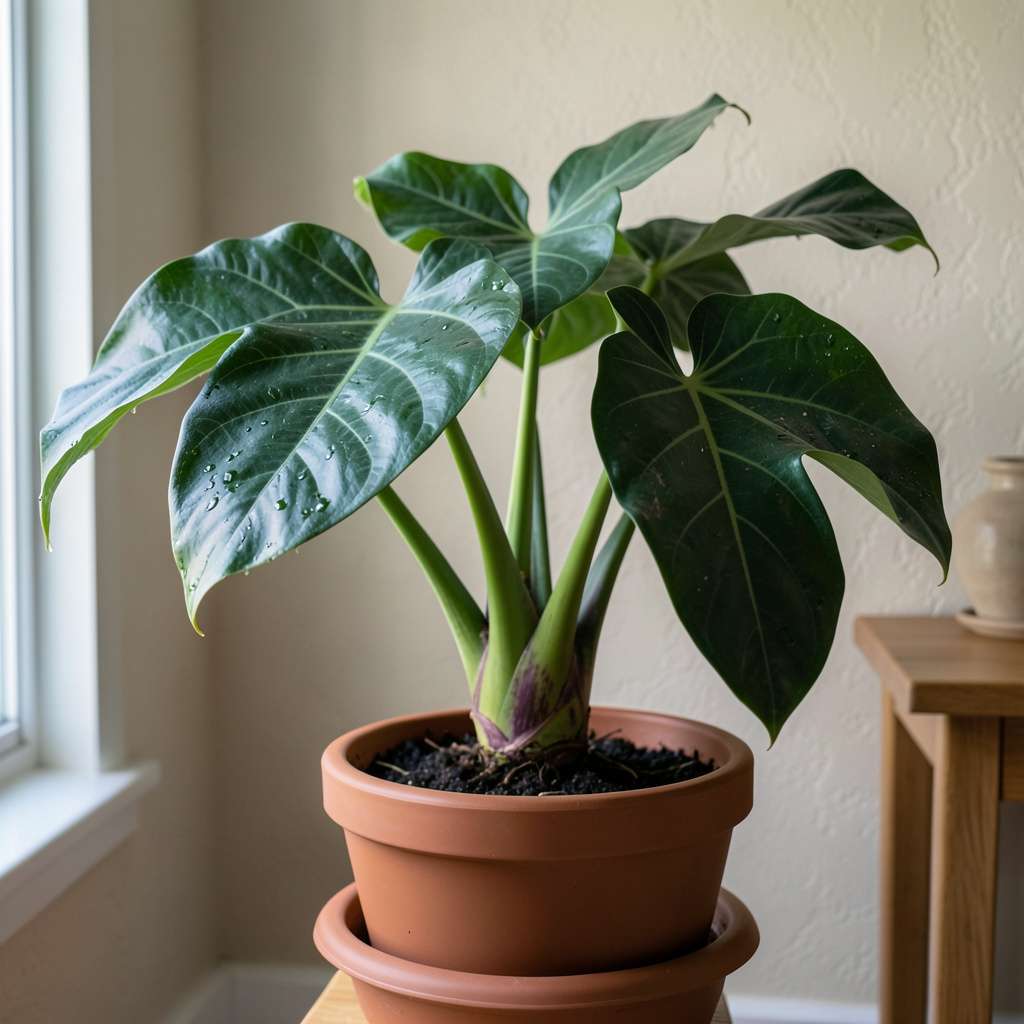
Drooping alocasia leaves usually signal underwatering, overwatering, or insufficient light. Check soil moisture first—adjust watering if soggy or dry. Move to bright, indirect light and maintain 60-80°F temperatures for recovery.
I’ve learned through years of trial and error that these tropical beauties are drama queens when their needs aren’t met. 🌿 The drooping often starts at the leaf tips before spreading—your plant’s way of waving a white flag. What many don’t realize is that alocasias need consistent moisture but despise wet feet, making proper drainage non-negotiable. I always recommend checking the roots if symptoms persist—healthy ones should be firm and white, not mushy or brown.
Temperature swings and drafts can also trigger this response faster than you’d expect. These plants thrive in stable environments that mimic their native rainforest understory. A sudden drop below 60°F or direct AC airflow can cause leaves to protest within hours. My garden journal shows that recovery typically takes 1-2 weeks with consistent care, though severely damaged leaves may need pruning to redirect energy.
💡 In This Article
When alocasia leaves droop, it’s often a cellular distress signal. These tropical plants rely on turgor pressure—water pressure inside plant cells—to maintain their upright posture. 💧 When water balance is disrupted, cells lose rigidity and leaves collapse. Overwatering suffocates roots by displacing oxygen in soil pores, while underwatering prevents adequate water uptake.
Both scenarios lead to the same visible symptom: sad, floppy foliage.
The root system tells the real story. Healthy alocasia roots should be firm and cream-colored. When you see brown, mushy roots, you’re dealing with root rot from prolonged soggy conditions. Conversely, dry, brittle roots indicate chronic thirst.
I’ve found that alocasias in 5-7 inch pots typically need water when the top 1-2 inches of soil feels dry—this prevents both extremes while accommodating their love for consistent moisture.
Light and temperature play equally critical roles. Alocasias evolved under dappled rainforest canopies, where they receive bright but indirect light. Direct sun scorchers their leaves, while insufficient light weakens their structure. 🌡️ The ideal range of 65-80°F maintains proper enzymatic activity. Below 60°F, metabolic processes slow dramatically, causing leaves to droop as energy production stalls.
Don’t overlook humidity’s impact. These plants thrive at 60-80% humidity—what most homes lack. When ambient moisture drops below 40%, alocasias lose water through their leaves faster than roots can replenish it. The result? Cellular dehydration that manifests as drooping. I’ve seen dramatic improvements by grouping plants together or using pebble trays to create microclimates.
Pests often exacerbate the problem. Spider mites and thrips pierce leaf cells to feed, creating tiny wounds that accelerate water loss. A telltale sign is stippling (tiny yellow dots) on leaves before they droop. 🕷️ These pests thrive in dry conditions, making proper humidity control both a preventive and curative measure.
Regular leaf inspections with a magnifying glass can catch infestations before they cause visible damage.
The soil composition matters more than many realize. Alocasias need a chunky, well-draining mix that mimics their native forest floor. A blend of 40% orchid bark, 30% coco coir, and 30% perlite provides the right balance of moisture retention and aeration.
Compacted or heavy soils prevent proper root respiration, leading to the same drooping symptoms as overwatering—even when you’re watering appropriately.
Seasonal changes often catch growers off guard. During winter dormancy, alocasias need significantly less water—sometimes as little as every 3-4 weeks. Continuing a summer watering schedule can lead to root rot. Conversely, summer heat may require daily moisture checks.
I’ve found that bottom-watering for 15-20 minutes every 7-10 days in summer maintains ideal moisture without overdoing it.
Nutrient imbalances can also cause drooping, though they’re less obvious. Too much fertilizer creates salt buildup that draws water away from roots through osmosis. Yellowing leaf edges accompanying drooping often signal this issue. A monthly flush with distilled water prevents salt accumulation.
I recommend diluting fertilizer to half-strength and applying only during active growth periods for optimal results.
The recovery timeline depends on the severity. Mild cases from temporary stress may bounce back in 3-5 days with proper care. Severe root damage or pest infestations can take 2-4 weeks to show improvement. Patience is key—new growth is the best indicator of true recovery.
Remember that some leaves may remain damaged but new ones will emerge healthy if you’ve addressed the underlying cause properly.
Check the top 1-2 inches of soil—water when it feels dry. Typically, this means every 5-7 days in summer and 2-3 weeks in winter. Bottom-watering for 15-20 minutes ensures even moisture without overdoing it.
Mildly drooping leaves often recover with proper care. Severely damaged or yellowing leaves should be pruned to redirect energy. Use clean pruners and cut at the base of the stem. New growth is the best sign of recovery.
Alocasias thrive at 60-80% humidity. Most homes fall short, so use a pebble tray or humidifier. Grouping plants together also helps. Avoid misting leaves directly—it can encourage fungal issues.
This is normal! Alocasias exhibit nyctinasty—leaves droop slightly at night and rise with morning light. It’s their natural rhythm. Only worry if leaves stay droopy during daylight hours.
Distilled or rainwater is ideal to avoid chemical buildup. If using tap water, let it sit overnight to allow chlorine to evaporate. Fluoride can accumulate in soil, so occasional flushing helps.
