
Beautiful Plants For Your Interior
Beautiful Plants For Your Interior
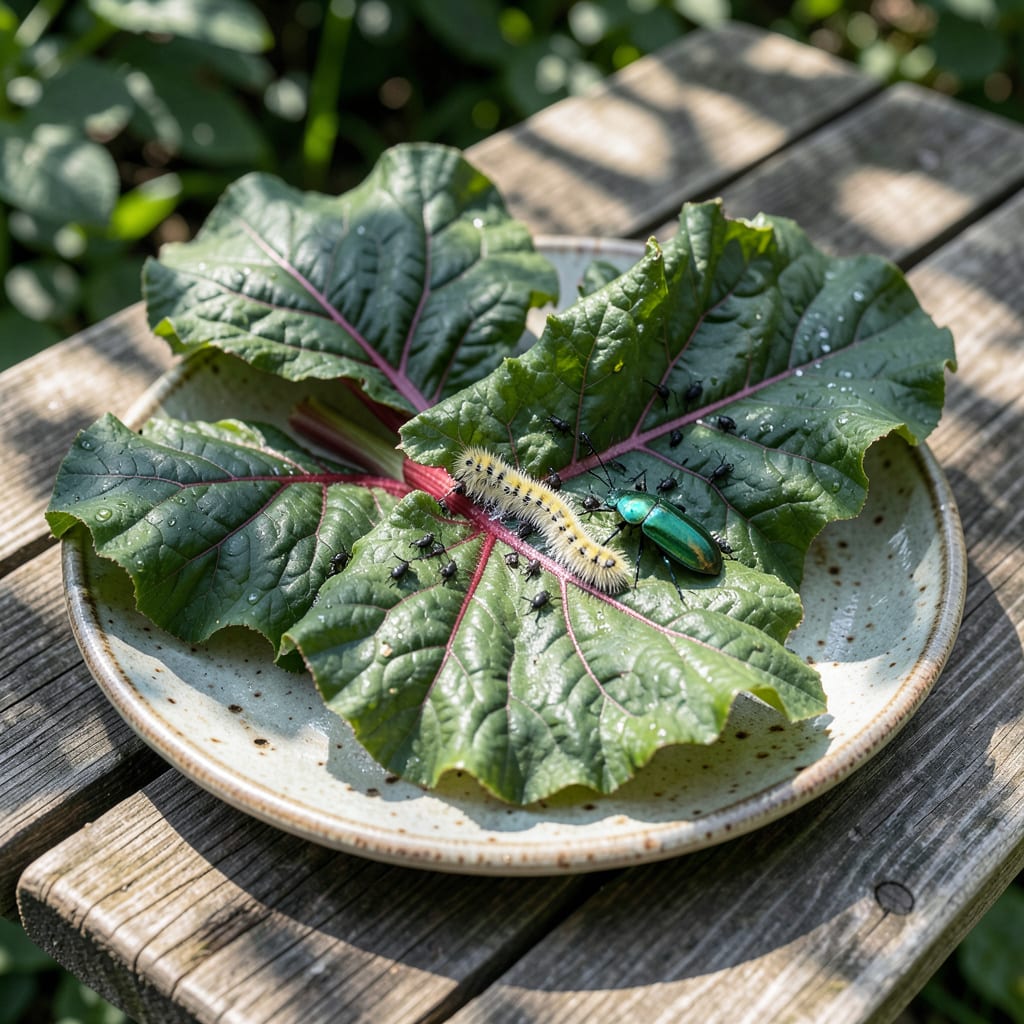
My rhubarb leaves looked like Swiss cheese last spring—turns out, several bugs find them irresistible. 🌱 I’ve battled these pests myself and learned which ones cause the most damage and how to stop them in their tracks.
The usual suspects include rhubarb curculios, aphids, and Japanese beetles. Each leaves distinct marks: holes, curled edges, or skeletonized leaves. Catching them early saves your plants from serious harm.
Organic solutions work surprisingly well. Hand-picking, neem oil, and floating row covers keep most pests at bay without harsh chemicals. A little vigilance goes a long way.
Prevention starts with healthy soil and good garden hygiene. Remove debris where pests hide, and inspect leaves regularly. Your rhubarb will thank you with lush, unblemished growth.
Rhubarb leaves are a target for certain bugs due to a mix of nutritional appeal, plant vulnerabilities, and environmental factors. Here’s why these pests are drawn to your rhubarb patch:
Rhubarb leaves are rich in nitrogen, potassium, and oxalic acid, which attract sap-sucking insects like aphids and leafhoppers. These nutrients provide the energy pests need to reproduce quickly. Additionally, the soft tissue of young leaves makes them easier to penetrate, especially for slugs and snails that feed on decaying or tender foliage.
Stressed rhubarb plants—caused by overcrowding, poor soil drainage, or drought—produce weaker leaves that are more susceptible to infestations. Pests like Japanese beetles and flea beetles exploit these vulnerabilities, chewing through leaves when the plant’s natural defenses (like strong cell walls) are compromised.
Warm, humid weather creates the perfect breeding ground for pests. Aphids thrive in these conditions, multiplying rapidly on the undersides of rhubarb leaves. Similarly, earwigs and caterpillars are more active in moist environments, where they can hide in mulch or soil near the plant. Overwatering or dense planting can exacerbate these issues by trapping moisture.
Dealing with pests munching on your rhubarb leaves? Here’s how to tackle the most common culprits and keep your plants healthy.
These tiny green or black bugs cluster on the undersides of leaves, sucking out sap. Fix: Blast them off with a strong stream of water or apply neem oil or insecticidal soap. For severe infestations, introduce ladybugs, their natural predators.
Prevention: Encourage beneficial insects by planting companion flowers like marigolds or yarrow. Inspect leaves regularly for early signs.
These slimy pests leave irregular holes and silvery trails on leaves. Fix: Set up beer traps (bury a shallow dish filled with beer) or sprinkle food-grade diatomaceous earth around plants. Handpick them at night when they’re most active.
Prevention: Reduce hiding spots by clearing debris and mulch. Copper tape around garden beds can also deter them.
These metallic green-and-copper beetles skeletonize leaves by eating the tissue between veins. Fix: Handpick beetles in the early morning when they’re sluggish and drop them into soapy water. Use pheromone traps away from your garden to lure them elsewhere.
Prevention: Apply floating row covers early in the season. Plant trap crops like roses or grapes to divert them from your rhubarb.
Pro tip ✨: Always check the undersides of leaves—many pests hide there!
Look for clues like tiny green clusters for aphids or jagged holes for beetles. Slugs leave silvery trails, while earwigs chew irregular edges. Inspect both sides of leaves regularly.
Yes! Use neem oil, introduce ladybugs, or set up beer traps for slugs. Floating row covers work well against flying insects. Companion planting with marigolds also helps deter pests.
Moisture creates ideal breeding conditions for many bugs. Aphids multiply rapidly in humidity, while slugs and snails thrive in damp environments. Improve drainage and remove debris to reduce hiding spots.
