
Beautiful Plants For Your Interior
Beautiful Plants For Your Interior
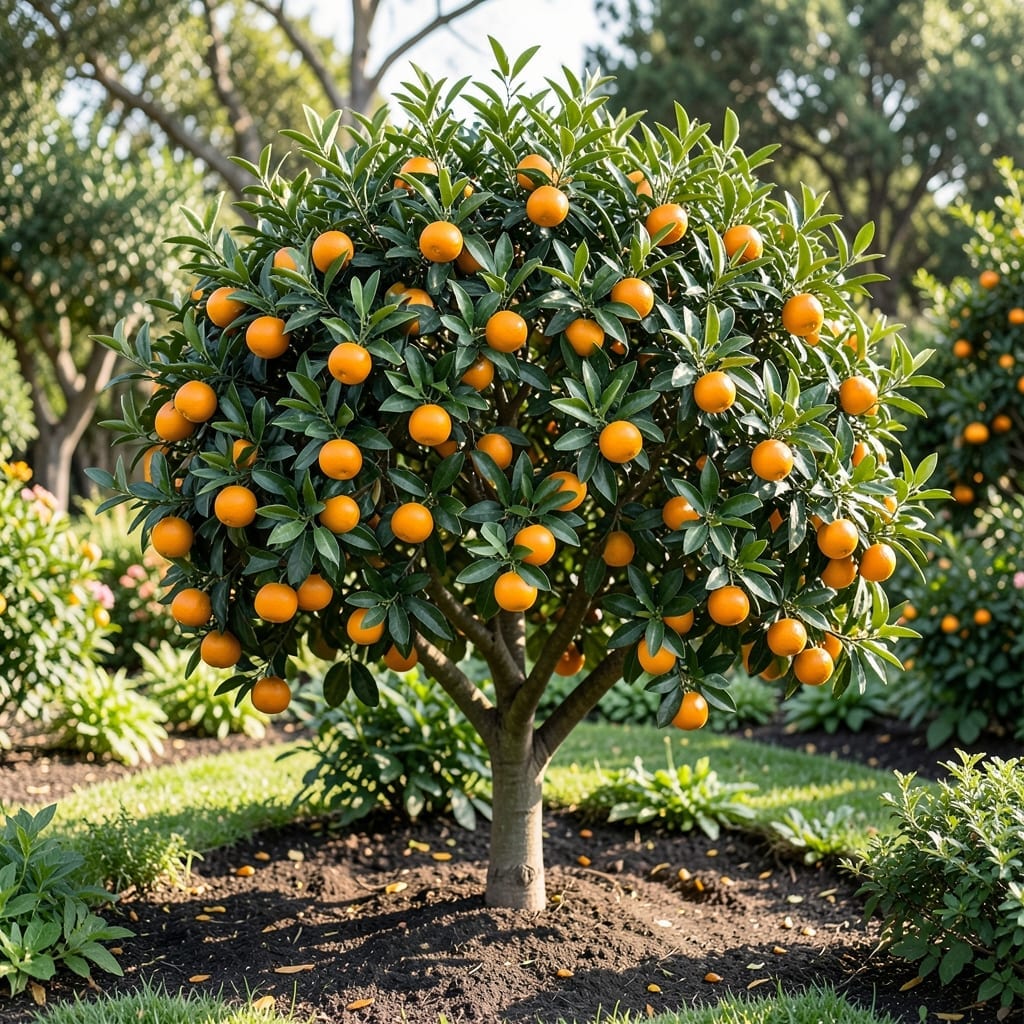
Those weird orange balls on your cedar tree aren’t fruit or flowers. I spotted them on my own trees last spring and learned they’re a sign of cedar apple rust, a fungal disease that jumps between cedars and apple trees.
The good news is it won’t kill your tree, but it can weaken it over time. Left untreated, the galls release spores that spread to nearby apple or crabapple trees, creating a frustrating cycle of infection every year.
You can break this cycle with some simple treatment. Removing the galls before they mature in wet weather helps, and there are organic and chemical options to protect both your cedars and any fruit trees nearby.
Prevention is even easier once you know what to look for. A little vigilance in early spring stops this problem before it starts spreading through your yard.
The orange balls on cedar trees are galls caused by tiny gall midges or mites, primarily the Oligotrophus betheli gall midge. These growths form as a reaction to the insect’s feeding or egg-laying activity. Below are the key reasons why these orange galls appear:
The primary cause is the cedar gall midge, which lays eggs in the tree’s tissue. When the larvae hatch, they feed on the plant’s sap, triggering abnormal cell growth. The tree responds by forming a gall—a protective, nutrient-rich structure—to isolate the invaders. These galls often turn orange as they mature.
Stressed cedar trees are more susceptible to gall formation. Drought, poor soil conditions, or physical damage weaken the tree’s defenses, making it easier for gall midges to infest. Ensuring proper watering, mulching, and pruning can reduce stress and lower the risk of infestation.
Warm, dry climates favor gall midge activity. These pests thrive in moderate temperatures (60–80°F), and their populations surge during spring and early summer. Cedar trees in these regions are more likely to develop orange galls unless preventive measures are taken.
Regular monitoring and early intervention can help manage these pests before they cause significant damage.
If your cedar tree is sporting unsightly orange balls, these are likely cedar gall mites or their damage. Here’s how to tackle each cause and restore your tree’s health.
For mild infestations, remove affected branches as soon as you spot the galls. Use sterilized pruning shears to cut at least 6 inches below the gall. Burn or dispose of the clippings in sealed bags to prevent mites from spreading. Prune during dry weather to reduce the risk of spreading other diseases.
If pruning isn’t enough, apply horticultural oil in early spring before new growth appears. This smothers overwintering mites and their eggs. Mix according to the label and spray thoroughly, covering all branch surfaces. Reapply every 7–10 days until the issue resolves.
For heavy infestations, opt for a miticide labeled for gall mites. Apply it in late summer or early fall when mites are most active. Always follow the manufacturer’s instructions for dosage and timing to avoid harming beneficial insects or the tree itself.
They generally won’t kill your cedar, but severe infestations can weaken it. The galls often indicate stress or pest activity that may spread to nearby plants if left untreated.
Prune during dry weather in early spring or late fall when pests are less active. This prevents spreading mites or spores to healthy areas.
Yes! Horticultural oil or a strong water spray can dislodge mites. For prevention, keep your tree healthy with proper watering and mulching.
Mite galls are usually small and clustered, while fungal galls (like cedar apple rust) are larger and jelly-like when wet. Check for tiny insects or webbing for mites.