
Beautiful Plants For Your Interior
Beautiful Plants For Your Interior
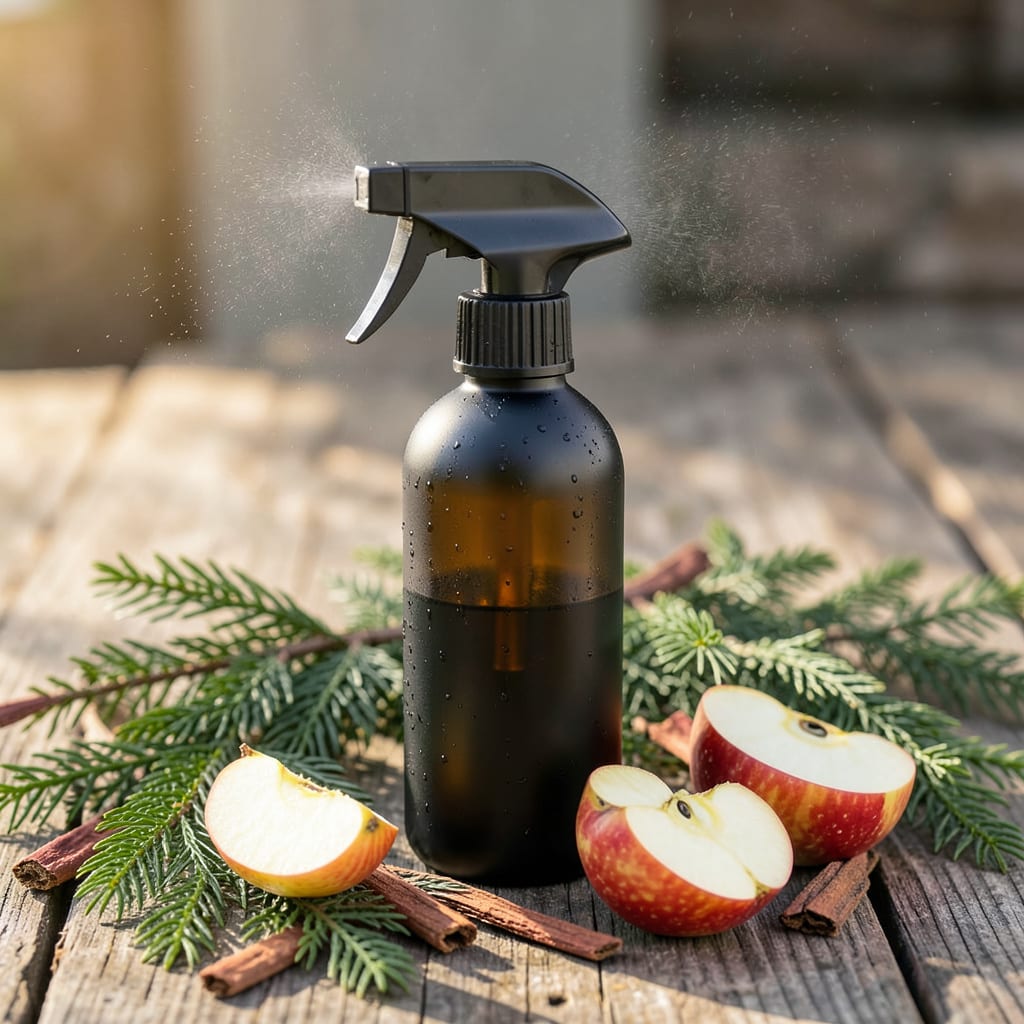
Orange galls on cedars, leaf spots on apples—this fungus doesn’t play fair. I lost two seasons of fruit before figuring out how to break the cycle between these plants.
It spreads from cedars to apples in spring, ruining both. Timing is everything: spray your trees before the galls release spores, usually when temps hit 50°F at night.
Organic sprays work if applied correctly. The key is consistency—miss one treatment and you’re back to square one with damaged fruit and stressed trees.
Works for both cedars and apples, keeping your orchard healthy without harsh chemicals. Here’s the exact approach that saved my harvest.
Cedar apple rust is a fungal disease caused by Gymnosporangium juniperi-virginianae, which requires two host plants to complete its life cycle: cedar trees (e.g., eastern red cedar) and apple or crabapple trees. This disease thrives in specific environmental conditions, making understanding its causes key to prevention and treatment. Below are the primary reasons it develops:
The fungus alternates between cedar and apple hosts. On cedars, it produces galls (woody growths) that release spores in spring. These spores travel via wind to apple trees, infecting leaves and fruit. Without both hosts nearby, the life cycle breaks—but proximity (within a few miles) is often enough for infection.
Spores require moisture to germinate. Rainy, humid springs (temperatures between 50–75°F) create ideal conditions for spore release and infection. Prolonged leaf wetness (6+ hours) significantly increases risk.
Some apple and crabapple cultivars lack genetic resistance. Varieties like McIntosh, Cortland, or Jonathan are highly vulnerable. Planting resistant types (e.g., Liberty, Freedom) reduces reliance on cedar apple rust spray.
Fungal structures (telia) on cedar galls survive winter, releasing spores the following spring. Pruning galls from cedars before they produce spores (late winter) disrupts the cycle.
Cedar apple rust is a stubborn fungal disease, but with the right approach, you can protect your apple and crabapple trees. Below are targeted solutions for common causes, along with prevention tips to keep your trees healthy long-term.
If you spot orange-yellow spots on leaves or fruit, act fast. Apply a fungicide spray like sulfur or copper-based products at the first sign of infection. For organic options, neem oil or potassium bicarbonate can help suppress the fungus. Reapply every 7–10 days during wet weather, especially in spring when spores are most active.
Prevention tip: 💡 Remove nearby cedar or juniper hosts (the alternate hosts for the fungus) to break the disease cycle.
If the disease has caused significant leaf drop or twig dieback, prune infected branches immediately. Sterilize your pruning tools with rubbing alcohol between cuts to avoid spreading spores. Rake and destroy fallen leaves and fruit—do not compost them, as the fungus can survive and reinfect.
Prevention tip: ✨ Thin out tree canopies to improve airflow, reducing the damp conditions the fungus loves.
For trees with a history of cedar apple rust, a preventative spray schedule is key. Start applying fungicides in early spring before buds swell (pink stage), then repeat at petal fall and every 2 weeks until summer. Rotate fungicides to prevent resistance.
Prevention tip: 🎯 Plant rust-resistant apple varieties like ‘Liberty’ or ‘Enterprise’ to minimize future outbreaks.
Consistency is your best defense—stay vigilant, and your trees will thank you with healthy, bountiful growth!
Apply every 7–10 days during wet spring weather. Start before buds swell and continue through petal fall. Reapply after heavy rain for best protection.
Yes! Neem oil or potassium bicarbonate work well as organic options. Apply at first sign of infection and reapply frequently during damp conditions.
Spray in early spring when night temperatures reach 50°F. Focus on the period between pink bud stage and petal fall for maximum effectiveness.
Cedars host the fungus that spreads to apples. Removing nearby cedars or junipers breaks the disease cycle and reduces the need for frequent spraying.
