
Beautiful Plants For Your Interior
Beautiful Plants For Your Interior
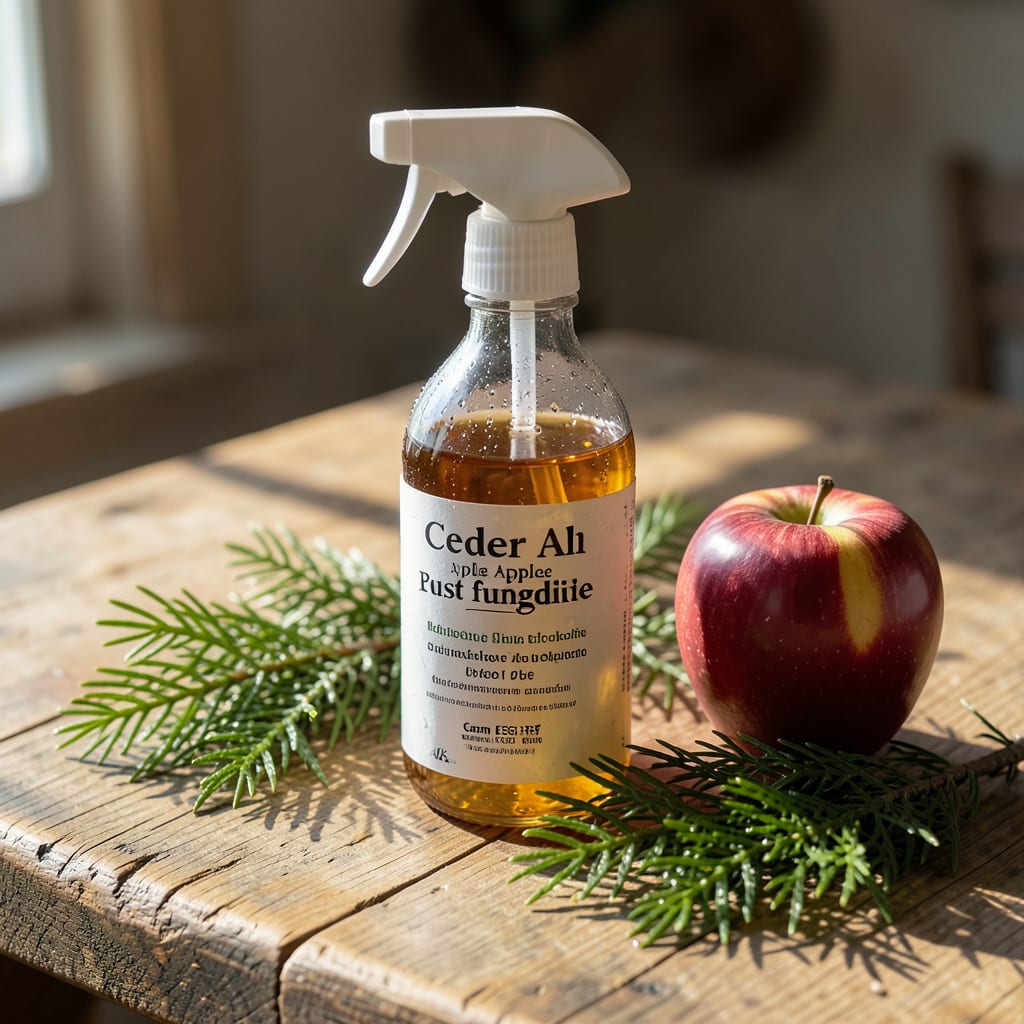
Those orange galls on your cedar aren’t just ugly—they’re plotting against your apple trees. I lost my entire harvest one year before learning how cedar apple rust spreads between hosts.
The fungus needs both cedar and apple to complete its life cycle, jumping from one to the other when conditions are wet. Without intervention, it defoliates apple trees and weakens cedars, leaving them vulnerable to other problems.
Organic fungicides work when timed right, but prevention is even better. Removing galls from cedars in late winter breaks the cycle before it starts. Your trees stay healthy and productive.
Works for backyard orchards, landscape cedars, and any garden where both hosts grow nearby. Here’s how to stop the spread for good.
Cedar apple rust is a complex fungal disease caused by Gymnosporangium juniperi-virginianae, which requires two host plants to complete its life cycle. Understanding why it happens is key to preventing its spread. Below are the primary causes:
The fungus alternates between cedar (juniper) and apple (or crabapple) hosts. On cedars, it produces galls that release spores in spring, which then infect nearby apple trees. Without both hosts, the disease cannot thrive. This biological cycle makes eradication challenging but highlights the importance of disrupting the connection between the two plant types.
Spore release and infection peak during wet, mild springs. Rain or heavy dew helps spores travel from cedars to apples, while temperatures between 50–75°F (10–24°C) create ideal conditions for germination. Prolonged moisture on leaves increases the likelihood of infection, making weather patterns a critical factor.
Not all apple or cedar varieties are equally vulnerable. Some apple cultivars (e.g., ‘McIntosh’ or ‘Jonathan’) are highly susceptible, while others (e.g., ‘Liberty’ or ‘Redfree’) show resistance. Similarly, eastern red cedar (Juniperus virginiana) is a primary host. Planting resistant varieties can significantly reduce disease pressure.
By addressing these root causes—breaking the host cycle, managing moisture, and selecting resistant plants—you can minimize the risk of cedar apple rust taking hold.
Cedar apple rust is a stubborn fungal disease, but with the right approach, you can manage it effectively. Below are targeted solutions for common causes, along with prevention tips to keep your trees healthy.
Fix: Apply a fungicide like sulfur or copper-based sprays at the first sign of orange spots on leaves. Reapply every 7–10 days during wet spring weather, as spores thrive in moisture. Remove and destroy infected leaves to prevent spread.
Prevention:
Fix: For heavily infected fruit, remove and discard affected apples immediately. Use a systemic fungicide like myclobutanil for deeper penetration, following label instructions carefully.
Prevention:
Fix: Apply a protective fungicide before rain events, as moisture triggers spore release. Neem oil can be a gentle organic option for mild cases.
Prevention:
Consistency is key—monitor trees regularly and act at the first sign of trouble. A little effort goes a long way in keeping cedar apple rust under control!
Begin applying in early spring just as leaves emerge, then repeat every 7–10 days during wet weather. Always treat before rain events to prevent spore spread.
Yes! Sulfur, copper, and neem oil sprays work well for mild cases. Apply every 7–14 days and remove infected plant parts promptly.
Remove galls from cedars in late winter and plant resistant apple varieties. Clean up fallen leaves and fruit to break the disease cycle.
