
Beautiful Plants For Your Interior
Beautiful Plants For Your Interior
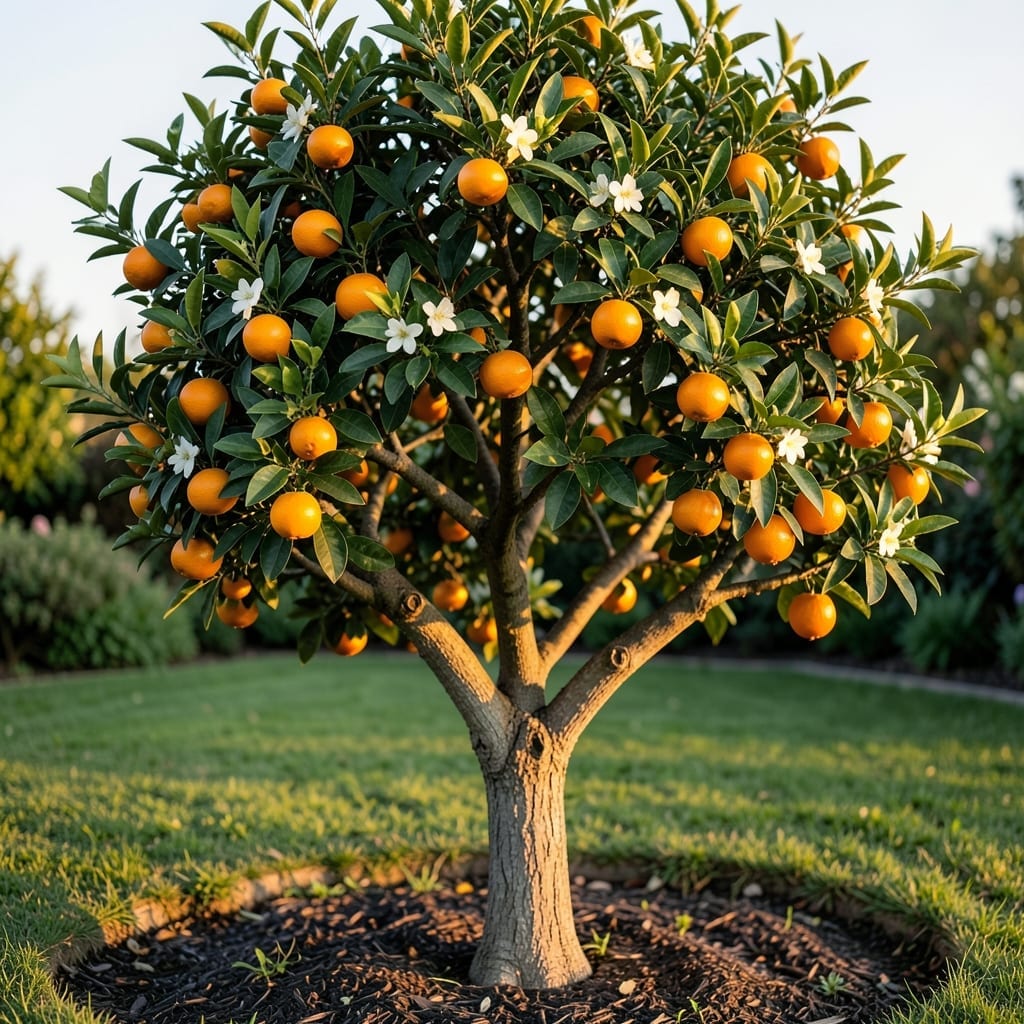
I found those tiny orange spheres in my own potting mix last spring. Turns out they’re often a fungus called slime mold or dog vomit fungus, harmless but unsettling when you first spot them.
They appear when conditions are damp and warm, usually after heavy watering or rain. The good news: they won’t hurt your plants or soil. The bad news: they spread quickly if left unchecked, forming clusters that look worse than they are.
Removing them is simple—scoop them out with a spoon or trowel and dispose of them in the trash. To prevent future outbreaks, reduce watering and improve drainage so the soil dries out between waterings.
If they keep coming back, try adding a layer of mulch or switching to a faster-draining soil mix. Your plants will thank you, and your soil will stay cleaner.
The appearance of small orange balls in soil is typically tied to fungal activity. Below are the most common causes, explained in clear, actionable terms.
Many soil-dwelling fungi, such as Myxomycetes (slime molds) or Peziza species, produce tiny, orange, ball-like structures as part of their reproductive cycle. These are fruiting bodies that release spores to propagate. They thrive in moist, organic-rich soil and often appear after heavy rainfall or overwatering.
If your soil contains high levels of organic material (e.g., wood chips, compost, or leaf litter), fungi break it down. During decomposition, some fungi form bright orange sclerotia—dense clusters of mycelium that store nutrients. These resemble small balls and are harmless but indicate active microbial breakdown.
Excess moisture creates ideal conditions for fungal growth. When soil stays soggy, aerobic fungi can’t compete, and moisture-loving species take over, producing visible orange structures. Improve drainage by amending soil with sand or perlite to prevent recurrence.
Fungi flourish in warm (60–80°F), humid environments. These conditions accelerate spore germination and fruiting body formation. If your garden or potted plants are in a shaded, damp area, you’re more likely to see these orange growths. Increasing airflow and sunlight can help deter them.
If you’ve spotted tiny orange spheres in your soil, they’re likely fungal structures like Sphaerobolus or slime mold. Here’s how to address each cause and keep your garden healthy.
💡 Pro tip: If the orange balls return, test your soil’s pH. Fungi often favor acidic conditions—adjusting with lime may help.
No, most orange fungal balls like slime mold are harmless to plants. They’re primarily a cosmetic issue.
Improve drainage by adding perlite or sand to your soil. Water less frequently and ensure pots have drainage holes.
Avoid harsh chemicals. Natural options like neem oil or simply removing them by hand work well.
Yes, spores can travel via wind or water. Isolate affected areas and clean tools after handling.