
Beautiful Plants For Your Interior
Beautiful Plants For Your Interior
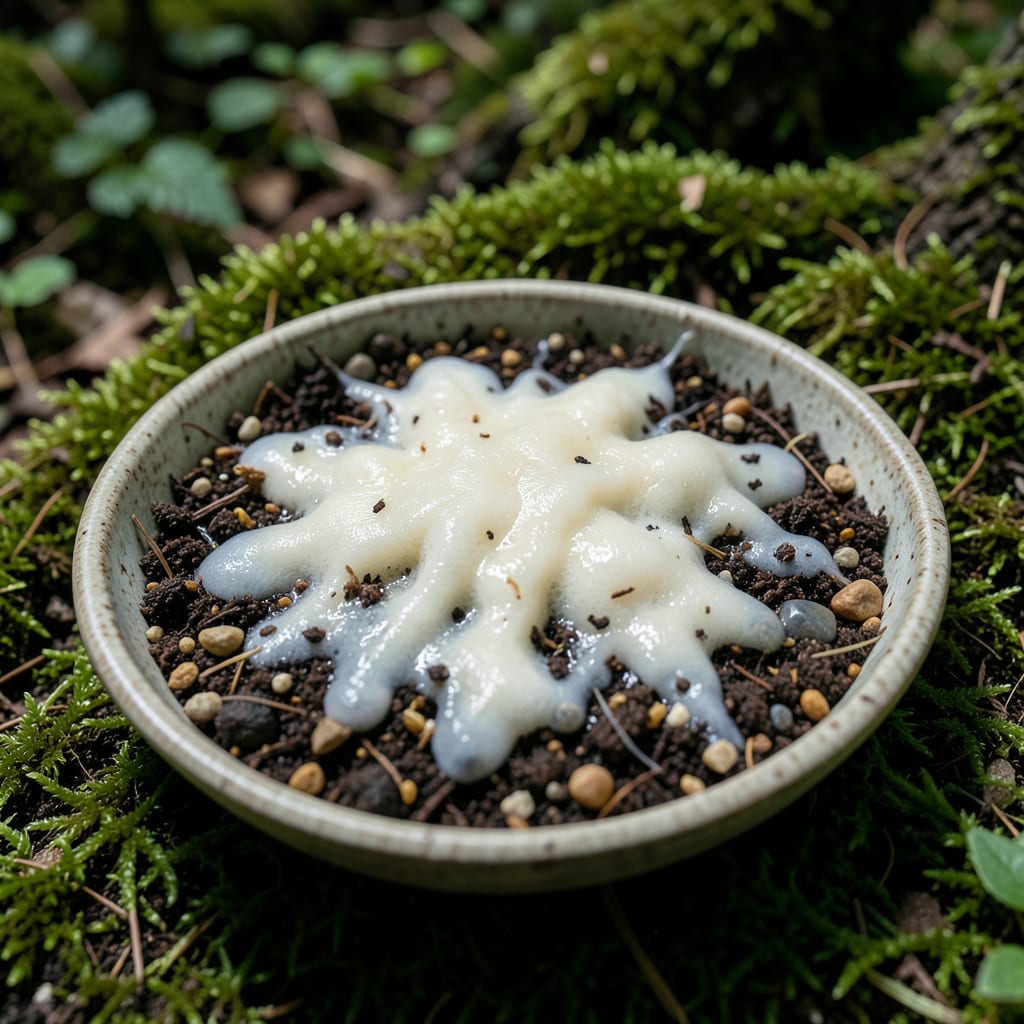
I spotted that strange white stuff in my garden last spring and panicked. Turns out it’s not as scary as it looks.
White slime mold thrives in damp, shaded areas with lots of organic matter. It’s actually a fungus-like organism that feeds on decaying material, not your plants. Still, it’s unsightly and can spread quickly if left unchecked.
Good news: it’s harmless to most plants and easy to manage. A few simple tweaks to your soil and watering habits can prevent it from coming back.
No harsh chemicals needed—just natural solutions that keep your garden healthy and mold-free.
White slime mold on soil is a common but often misunderstood issue. Several factors contribute to its appearance, and understanding them can help you prevent or address the problem effectively.
Slime molds thrive in damp environments. Overwatering, poor drainage, or high humidity can create the perfect conditions for Fuligo septica (a common white slime mold) to grow. Soil that stays soggy for extended periods encourages the development of these organisms, as they rely on moisture to move and feed on decaying organic matter.
Slime molds feed on decomposing plant material, such as leaves, bark, or wood chips. If your soil has a high concentration of untreated organic matter (e.g., mulch, compost, or fallen leaves), it provides a rich food source for these organisms. They appear as a white, frothy, or gelatinous mass as they break down the material.
Temperature and humidity play a significant role. Slime molds are most active in warm (60–80°F / 15–27°C) and humid conditions, which accelerate their growth. This is why they often appear in gardens during spring or early summer, especially after rain or in shaded, poorly ventilated areas.
Compacted or poorly aerated soil limits oxygen flow, creating an anaerobic environment that favors slime mold growth. This often happens in heavy clay soils or areas with high foot traffic. Aerating the soil and improving its structure can help discourage these organisms.
White slime mold thrives in damp, shaded areas, but you can reclaim your soil with these targeted solutions. Below are practical fixes for common causes, paired with prevention tips to keep it from returning.
Slime mold loves soggy soil. If poor drainage is the culprit:
Shady, humid spots are slime mold magnets. Combat this by:
Decaying leaves and mulch feed slime mold. Tackle it with:
If you spot white slime mold:
With these steps, your soil will stay healthy and mold-free. Consistency is key!
No, it’s completely harmless to both. It feeds on decaying matter, not living plants or humans. You can safely touch it, though some people prefer to wear gloves.
Improve drainage, reduce shade, and remove organic debris regularly. Water in the morning so soil dries faster. A thin layer of cornmeal also helps deter it.
Yes, it often dries up and vanishes within a few days, especially in dry or sunny conditions. If it lingers, simply scoop or hose it away.
