
Beautiful Plants For Your Interior
Beautiful Plants For Your Interior
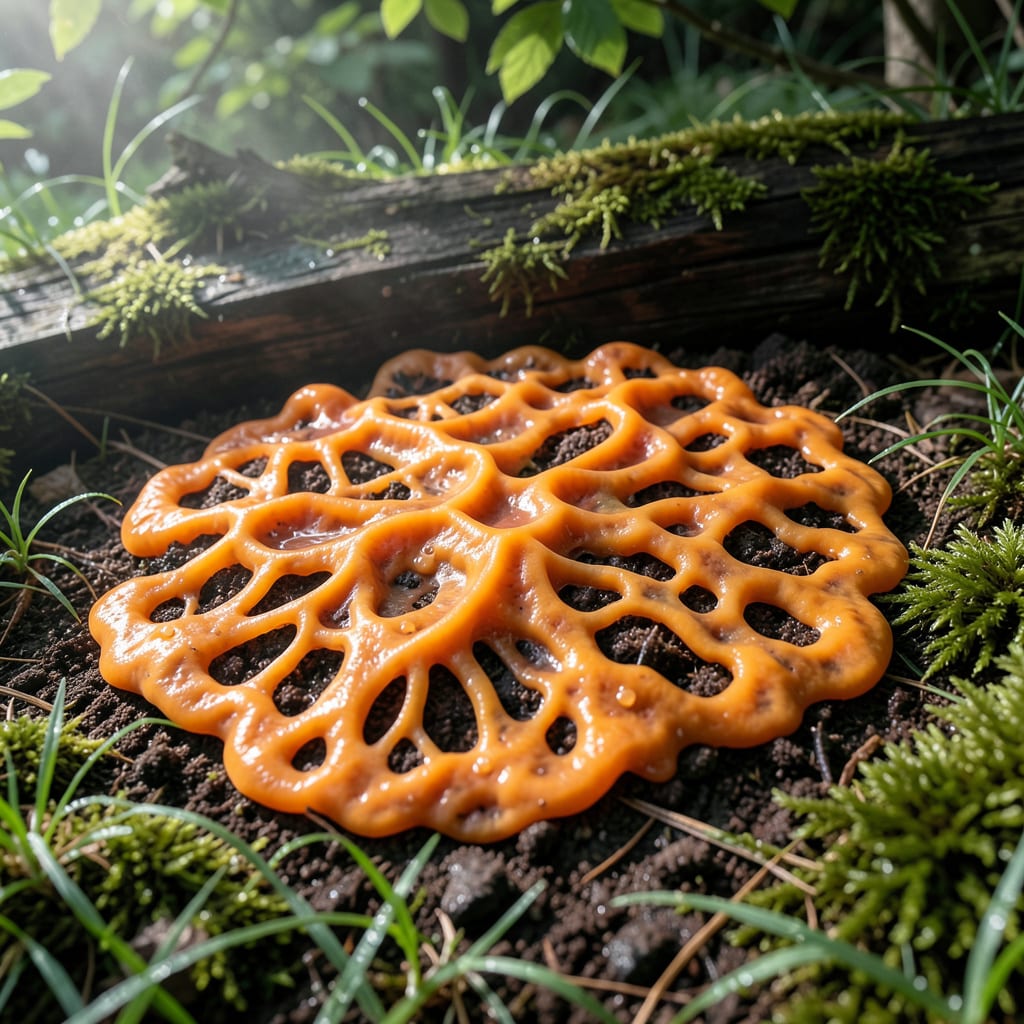
That bright orange blob on your mulch isn’t paint or a weird fungus. It’s slime mold, nature’s odd little cleanup crew that appears overnight when conditions are just right.
I first spotted it after a stretch of warm, wet weather—looked like someone had spilled pumpkin soup across my garden beds. Turns out, it’s harmless to plants but can spread fast if left alone.
Removal is surprisingly simple: scrape it up with a shovel or blast it with water. The real trick is preventing its return by adjusting your garden’s moisture levels.
Works for any garden setup, from raised beds to open soil. Here’s how to handle it without chemicals.
Orange slime mold thrives in gardens due to specific environmental and biological conditions. Here’s why it might be showing up in yours:
Slime molds, including Fuligo septica (a common orange variety), flourish in damp environments. Overwatering, poor drainage, or prolonged rainy weather creates the perfect breeding ground. These organisms need moisture to move, feed, and reproduce, so soggy soil or mulch is an open invitation.
Slime molds feed on decaying organic matter like dead leaves, wood chips, or compost. If your garden has a thick layer of untended mulch or leaf litter, it provides a buffet for these microbes. They break down the material but can overwhelm your garden’s aesthetic in the process.
Orange slime mold is most active in temperatures between 70–90°F (21–32°C) with high humidity. These conditions accelerate its growth cycle, making late spring and summer prime seasons for outbreaks. Shaded, poorly ventilated areas are especially vulnerable.
Dense plantings or overcrowded garden beds restrict airflow, trapping moisture and creating a microclimate ideal for slime mold. Pruning or spacing plants more widely can disrupt these conditions and deter growth.
Orange slime mold may look alarming, but it’s harmless and manageable. Here’s how to tackle it based on the underlying cause:
Slime mold thrives in damp conditions. If your garden stays soggy, aerate the soil with a garden fork to boost drainage. For potted plants, ensure containers have drainage holes and use a well-draining potting mix. Pro tip 💡: Water plants in the morning so surfaces dry faster during the day.
Decaying leaves, mulch, or wood chips feed slime mold. Rake up affected mulch or organic matter and replace it with fresh, dry materials. If the mold is on wooden structures (like raised beds), scrub with soapy water and let it dry in the sun. Prevention ✨: Turn compost piles regularly to speed up decomposition and discourage mold growth.
Dense plantings or shaded areas trap moisture. Thin out overcrowded plants and prune low-hanging branches to let air circulate. For shaded spots, consider trimming nearby foliage or choosing mold-resistant ground covers. Pro tip 🌡️: Space plants according to their mature size to avoid future issues.
For small patches, scoop up the slime mold with a spoon or putty knife and dispose of it in the trash (not compost). For larger areas, rinse with a garden hose—the force of water dislodges it without chemicals. Prevention 🎯: Keep your garden tidy by removing fallen fruit, leaves, and other debris promptly.
No, it’s completely harmless to plants, pets, and people. It only feeds on decaying organic matter, not living plants. You can safely touch it, though it’s best to remove it for aesthetic reasons.
It may return if moist, organic conditions persist. To prevent recurrence, improve drainage and remove decaying leaves or mulch. Regular garden maintenance is key to keeping it away.
Chemicals aren’t necessary and can harm beneficial garden organisms. Physical removal or adjusting moisture levels works just as well. Stick to natural methods for a healthier garden.
It can spread via spores in damp conditions, but it won’t infect healthy plants. Keep your garden dry and well-ventilated to limit its movement.
