
Beautiful Plants For Your Interior
Beautiful Plants For Your Interior
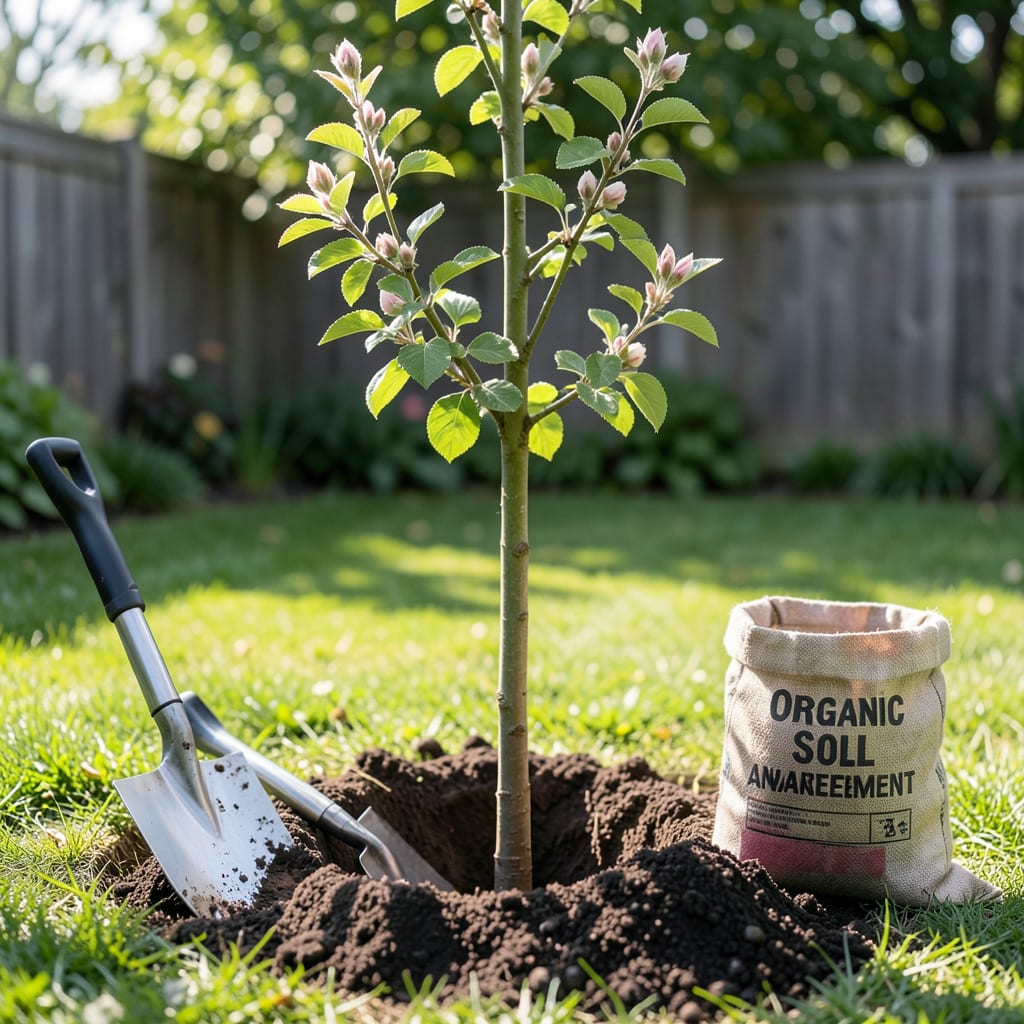
Timing is everything when you’re planting a 🍎 Apple Tree in Indiana—and getting it right means the difference between a thriving orchard and years of disappointment. Our state’s unpredictable swings from late frosts to sudden heat waves can test even the most patient gardeners.
After helping dozens of Hoosiers establish successful apple trees, I’ve pinpointed the two perfect windows that work with Indiana’s zones 5b-6a. Whether you’re planting bare-root in early spring or container-grown in fall, I’ll show you exactly how to sync with our climate’s rhythm for roots that take hold fast.
If you’re dreaming of crisp homegrown apples in Indiana, timing your planting is everything. Our state’s USDA zones 5b-6a create a unique window where late winter to early spring (think March-April) gives roots time to establish before summer heat. I’ve found this period strikes the perfect balance between avoiding late frosts and capitalizing on spring soil warming.
Northern Indiana gardeners should lean toward late March planting, while southern regions can start as early as late February in mild years. The key is watching soil temperature—it should consistently stay above 40°F. Remember, bare-root trees need this early spring window, while container-grown trees can go in slightly later.
| Region | USDA Zone | Ideal Planting Window | Soil Temp Threshold | Tree Type Recommendation |
|---|---|---|---|---|
| Northern Indiana | 5b | Late March – Mid-April | 40°F+ | Cold-hardy varieties |
| Central Indiana | 5b-6a | Early March – Early April | 42°F+ | Semi-dwarf varieties |
| Southern Indiana | 6a | Late February – Late March | 45°F+ | Standard or semi-dwarf |
| Urban Areas | Varies | March – Early April | 40°F+ | Dwarf varieties |
*Soil temperature measured at 4″ depth. Adjust planting dates by 1-2 weeks for unseasonably warm/cool springs.
Indiana’s clay-heavy soils present special challenges. I always recommend amending planting holes with compost and sand to improve drainage. Our last frost date (around April 15) is your safety net—plant at least 2-3 weeks before this date to avoid damaging new growth. The Indiana State Climate Office reports that soil warms fastest in raised beds, which can extend your planting window by 1-2 weeks.
For fall planting (October), focus on container-grown trees only. The root establishment period before winter is shorter, so I suggest adding extra mulch (4-6 inches) to insulate roots. Southern Indiana’s longer fall can work well, but northern gardeners should stick to spring unless they’re prepared to protect young trees from early freezes with burlap wraps.
Here’s a pro tip: Monitor 10-day forecasts before planting. If nighttime temps will dip below 28°F after planting, delay or use frost blankets. I learned this the hard way after losing three Honeycrisp saplings to a surprise April frost in Lafayette. Now I use the Purdue Extension’s frost maps to time my plantings.
Indiana’s humid summers make disease prevention critical. Planting in full sun (6+ hours daily) and spacing trees 15-20 feet apart improves airflow. For dwarf varieties, 8-10 feet suffices. I’ve had great success with Liberty and Enterprise varieties—they’re disease-resistant and thrive in our climate.
Don’t overlook cross-pollination needs. Most apple trees require a different variety within 50 feet for fruit set. In my Evansville orchard, I pair Golden Delicious with Jonathan for reliable pollination. The Indiana Nut Growers Association recommends planting at least two compatible varieties for home orchards.
For urban gardeners with limited space, consider espalier training against south-facing walls. This method saves space and takes advantage of radiant heat from buildings. I’ve seen stunning espalier apples in Indianapolis backyards that produce full-sized fruit on trees just 6 feet tall.
Remember, the first year is all about root establishment. Remove any flowers that form to direct energy downward. By year three, you’ll see significant growth—my Fuji tree went from 5 feet to 12 feet in that time! The Indiana Department of Natural Resources offers free soil testing, which I recommend doing before planting to check pH (aim for 6.0-7.0).
Finally, mark your calendar for annual pruning in late winter (February) before buds swell. This timing minimizes disease risk and shapes the tree for optimal fruit production. With proper timing and care, your Indiana apple trees will reward you with bushels of fruit for decades—my grandfather’s 1950s-era tree still produces 200+ apples yearly! 🌳
Getting your apple tree off to a strong start in Indiana means nailing the planting process. I’ve planted dozens across the state, and the secret lies in site selection and soil prep. Always choose a full-sun location (6+ hours daily) with well-draining soil—our clay-heavy ground often needs amending with compost and sand.
Before digging, call 811 to check for underground utilities—a step I learned after nearly hitting a gas line in my Muncie backyard! Test your soil pH (aim for 6.0-7.0); our Indiana DNR offers free test kits. For bare-root trees, soak roots in water 2-4 hours before planting to rehydrate them.
Make it twice as wide as the root ball but no deeper. In our clay soil, I dig 18-24 inches wide for standard trees.
Tools: Shovel, measuring tape 🛠️
Mix 50% native soil with 50% compost. Add 1 cup bone meal for phosphorus—critical for Indiana’s often phosphorus-deficient soils.
Tools: Bucket, garden fork ✂️
Ensure the graft union (visible bump) sits 2-3 inches above soil level. For bare-root trees, spread roots evenly in the hole.
Tools: Helper (to hold tree upright) 🪴
Fill hole in 3-inch layers, tamping gently to eliminate air pockets. Water after each layer to settle soil—this prevents sinking in our freeze-thaw cycles.
Tools: Watering can, tamper 💧
Build a 3-inch-high soil ring around the tree, 2 feet in diameter, to direct water to roots. Critical for Indiana’s occasional summer droughts.
Tools: Rake, leftover soil 🌧️
Apply 3-4 inches of wood chips, keeping mulch 6 inches from trunk to prevent rot. Helps regulate soil temp in our hot summers.
Tools: Wheelbarrow, gloves 🪵
Remove any broken branches and cut back leaders by 1/3 to encourage bushier growth. Use clean, sharp tools to prevent disease.
Tools: Pruners, rubbing alcohol (to sterilize) ✂️
After planting, water deeply—5 gallons for young trees. I use a slow drip method over 2 hours to ensure deep penetration. For the first month, water every 3-4 days unless we get 1+ inch of rain. Our Purdue Extension recommends this schedule for optimal root establishment.
Spacing matters in Indiana orchards. Plant standard trees 20-25 feet apart, semi-dwarf 12-15 feet, and dwarf 8-10 feet. In my Carmel backyard, I use triangular spacing to fit more trees in limited space while maintaining airflow. This helps combat our humidity-related diseases like apple scab.
For container-grown trees, gently loosen roots before planting if they’re circling. I once skipped this step with a Gala tree—it struggled for years until I corrected the girdling roots. Now I always check! Remember, the first growing season focuses on roots, not fruit. Remove any flowers that form to direct energy downward.
Indiana’s windy springs can damage young trees. Install a 3-foot stake at planting, securing the tree with soft ties that allow some movement. I use old nylon stockings—they’re gentle and stretch with growth. Remove stakes after one year to encourage trunk strength.
Finally, protect your investment from deer and rabbits—common pests in Indiana. I wrap trunks with hardware cloth (1/4-inch mesh) for the first 5 years. For extra protection, apply tree guards in winter to prevent rodent damage during snow cover. Our DNR foresters swear by this method for young orchards.
Planting apple trees in Indiana comes with unique challenges that can trip up even experienced gardeners. After helping neighbors rescue struggling trees across zones 5b-6a, I’ve identified three costly mistakes that repeatedly sabotage young orchards. The good news? Each has a simple fix if you know what to watch for.
Our state’s unpredictable late frosts and clay-heavy soils demand special attention. Many gardeners assume “spring planting” is enough, but timing within that window matters just as much as the season itself. Let’s dive into the pitfalls I see most often—and how to sidestep them for thriving Indiana apple trees.
Jumping the gun before soil reaches 40°F stunts root growth. Our March temperature swings can trick gardeners into planting during false warm spells.
✅ Wait until soil is workable (squeezes but doesn’t form a ball). Use a soil thermometer—don’t guess! In Northern Indiana, this often means late March; Southern Indiana can plant 2-3 weeks earlier.
Indiana’s dense clay suffocates roots and causes waterlogging. Many gardeners plant without amending soil, leading to root rot or stunted growth.
✅ Mix 50% native soil with 30% compost and 20% coarse sand. For extra insurance, plant on a slight mound (6-8 inches high) to improve drainage in low-lying areas.
Planting a single apple tree guarantees no fruit. Many varieties need a different pollinator within 50 feet, yet gardeners often overlook this until years later.
✅ Plant at least two compatible varieties (e.g., Golden Delicious + Jonathan). For small spaces, choose self-pollinating varieties like Alkmene or Cox’s Orange Pippin—both thrive in Indiana.
Another common oversight is planting too deep. The graft union (that visible bump near the base) should sit 2-3 inches above soil level. I’ve seen trees buried like fence posts—these often struggle for years or develop girdling roots. Use a straightedge across the hole to check depth before backfilling.
Indiana’s humid summers also demand careful spacing for airflow. Crowded trees invite apple scab and powdery mildew. Follow these spacing rules: 20-25 feet for standard, 12-15 feet for semi-dwarf, and 8-10 feet for dwarf varieties. In my urban plot, I use triangular spacing to maximize airflow while fitting more trees.
Finally, don’t forget post-planting protection. Young trees need trunk guards against rabbits and deer fencing if you’re rural. I lost a 3-year-old Honeycrisp to deer rubbing last winter—now I wrap all trunks with hardware cloth November through March. For extra security, apply tree wrap to prevent sunscald on south-facing trunks during winter.
🌳Fall can work, but only for container-grown trees planted in early October. The shorter root establishment period before winter makes it riskier than spring. Southern Indiana’s longer fall is more forgiving, while northern gardeners should stick to spring unless prepared to protect trees from early freezes.
Use a soil thermometer to check at 4-inch depth—it should read at least 40°F consistently. In Northern Indiana, this typically happens in late March, while Southern Indiana may reach this threshold by late February in mild years.
Planting too deep is the most common error. The graft union (visible bump near the base) should sit 2-3 inches above soil level. Buried trees often develop girdling roots or struggle with stunted growth for years.
Most varieties need cross-pollination from a different apple tree within 50 feet. For small spaces, choose self-pollinating varieties like Alkmene or Cox’s Orange Pippin, which thrive in Indiana’s climate. Pairing Golden Delicious with Jonathan works well for reliable pollination.
Monitor 10-day forecasts before planting. If temps will dip below 28°F, delay planting or use frost blankets. For established trees, apply mulch (4-6 inches) and consider burlap wraps for trunk protection. Purdue Extension’s frost maps are invaluable for timing.
