
Beautiful Plants For Your Interior
Beautiful Plants For Your Interior
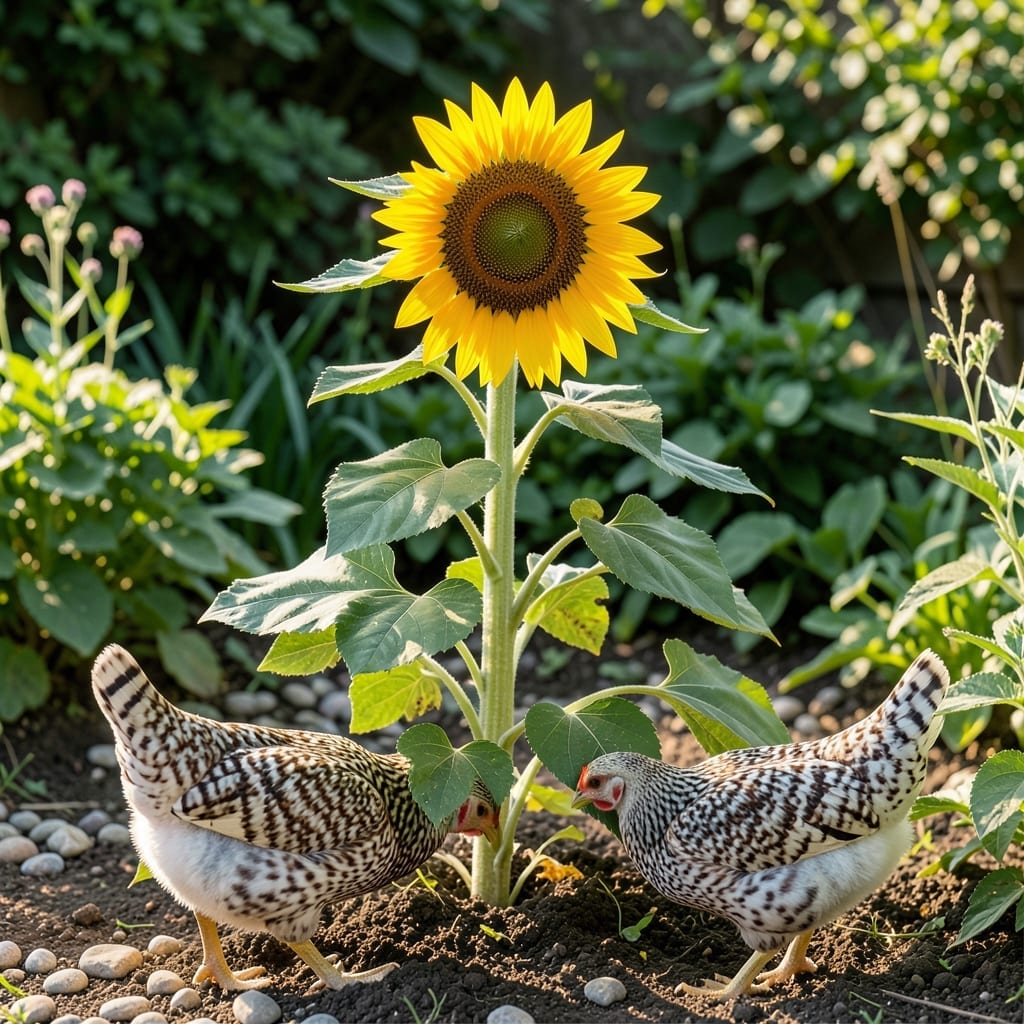
💥 Quick Answer Yes, chickens can safely eat sunflower leaves in moderation. These greens are non-toxic and provide fiber, vitamins, and minerals, but avoid wilted or moldy leaves to prevent digestive issues. I’ve found these leaves pack a nutritional punch…
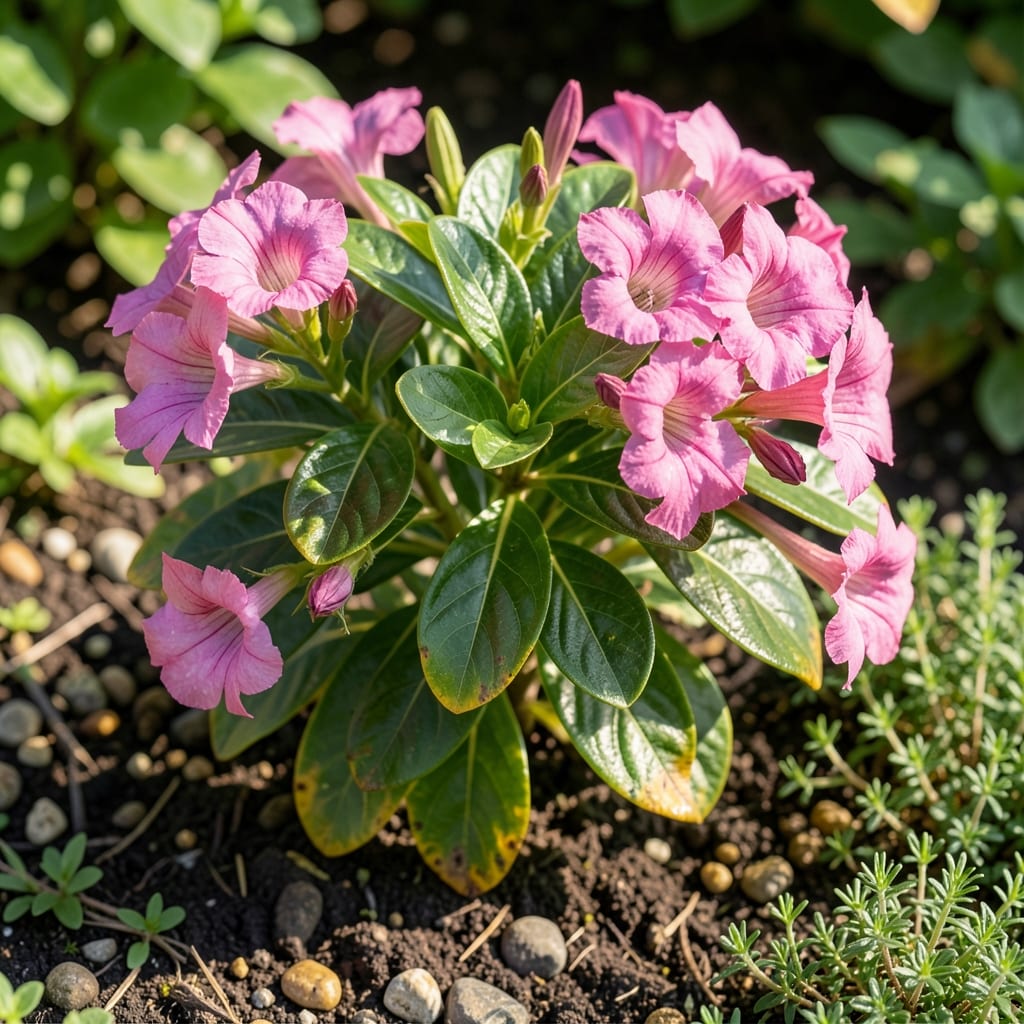
💥 Quick Answer Yellow leaves on dipladenia usually signal overwatering, nutrient deficiencies, or poor drainage. Check soil moisture, adjust watering, and ensure proper fertilization for vibrant foliage. I’ve noticed these plants often struggle when their roots sit in soggy soil…
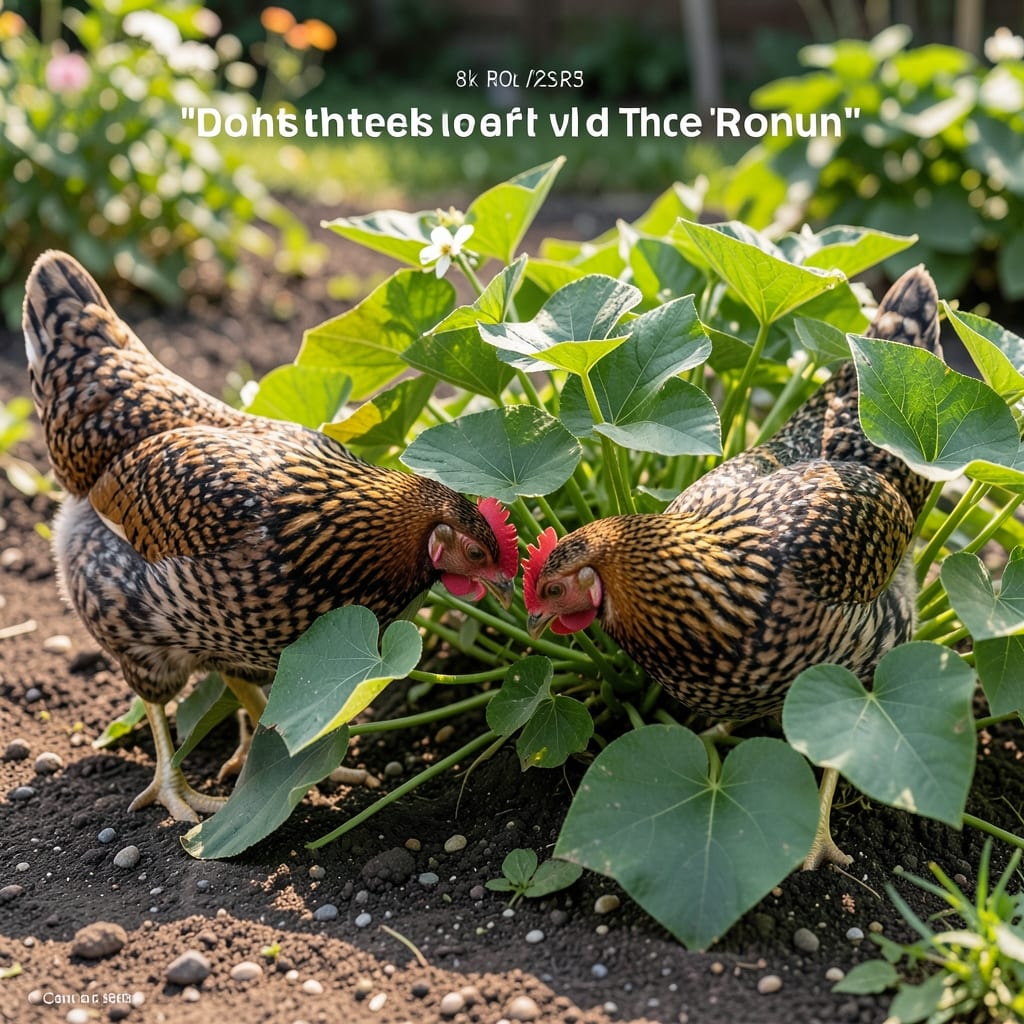
💥 Quick Answer Chickens can safely eat sweet potato leaves in moderation, as they are non-toxic and packed with nutrients like vitamins A and C. However, avoid wilted or moldy leaves. I’ve found these greens to be an excellent nutrient-dense…
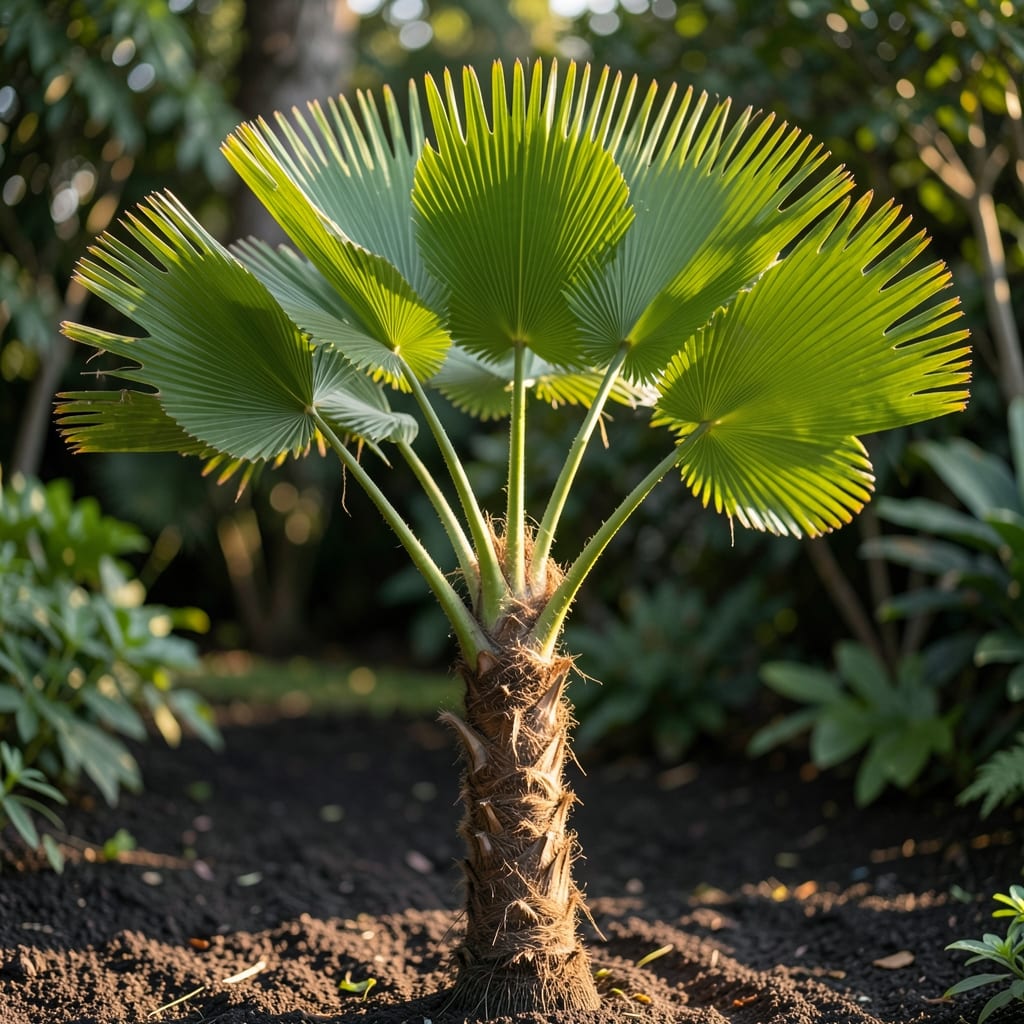
💥 Quick Answer Chinese fan palm tolerates temperatures down to 15-20°F, with mature plants surviving brief dips to 10°F. Younger palms need protection below 25°F to prevent foliage damage and stunted growth. I’ve grown these palms in USDA zones 8-11…
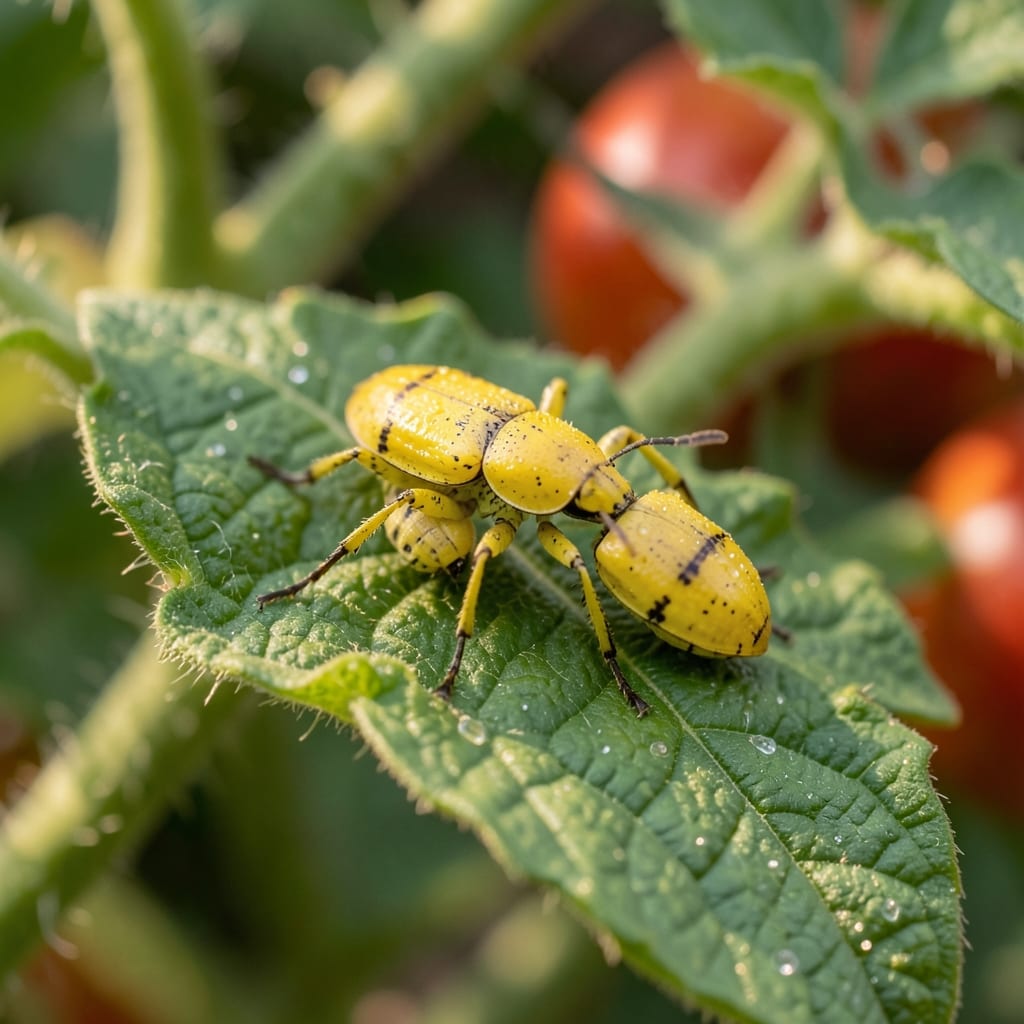
Tiny yellow invaders can ruin a tomato season faster than a late frost. I first spotted them clustered under leaves, sucking the life out of my best-producing plants and leaving curled, sticky foliage behind. These pests multiply quickly, spreading from…
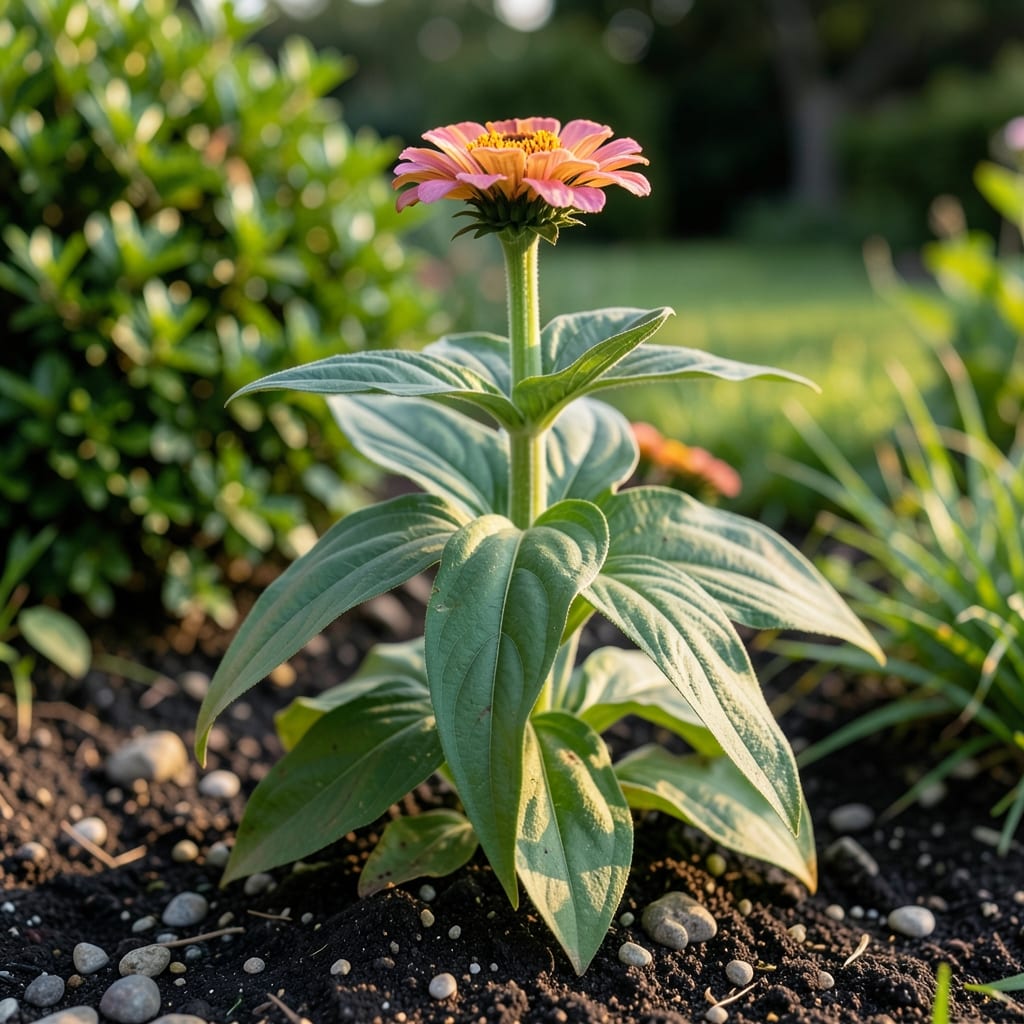
Leaf curl on zinnias stopped me in my tracks last summer. Those once-vibrant blooms looked like they’d been through a wind tunnel, and I knew something was seriously wrong. Turns out, it’s usually not one culprit but a combination—fungal infections,…
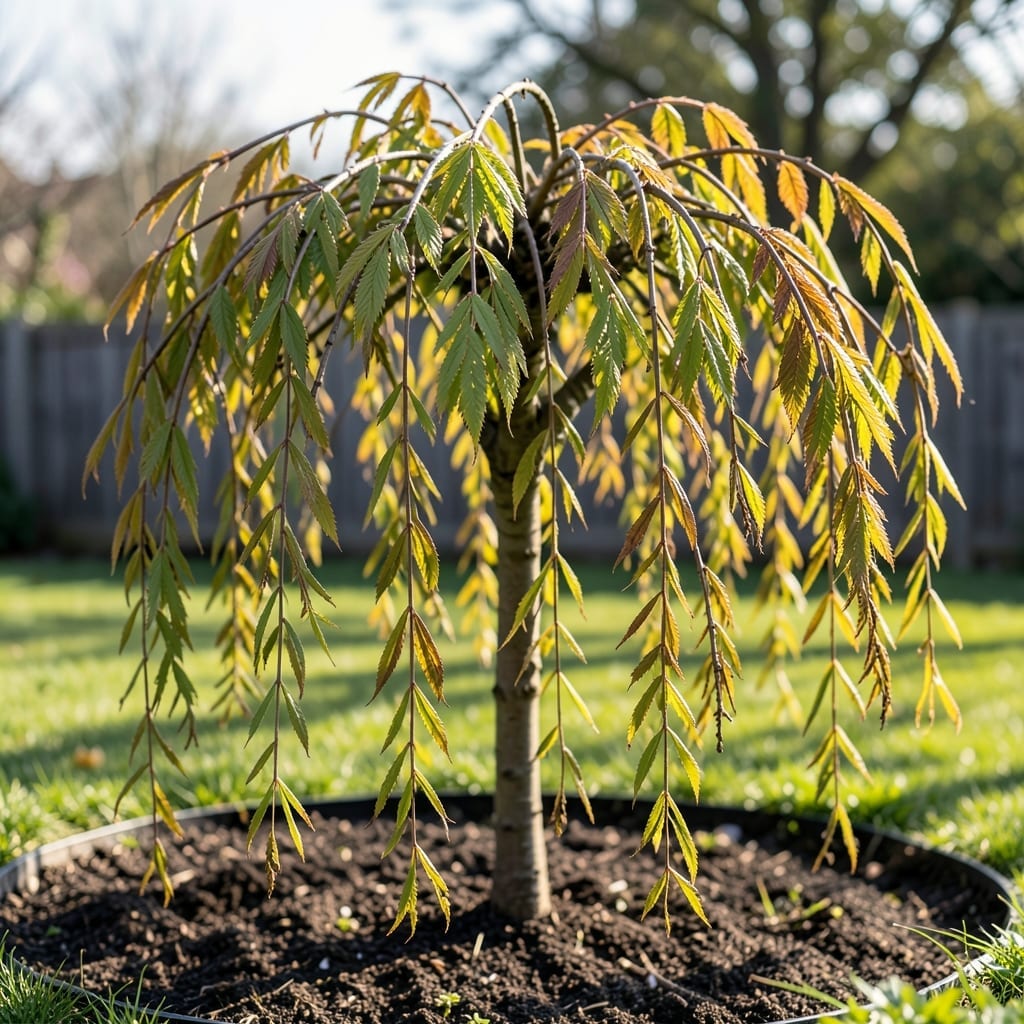
My weeping cherry’s leaves started curling last spring, and I panicked. Turns out, it was trying to tell me something—usually pest pressure, disease, or just stress from the wrong watering schedule. I’ve seen this happen when aphids cluster on new…
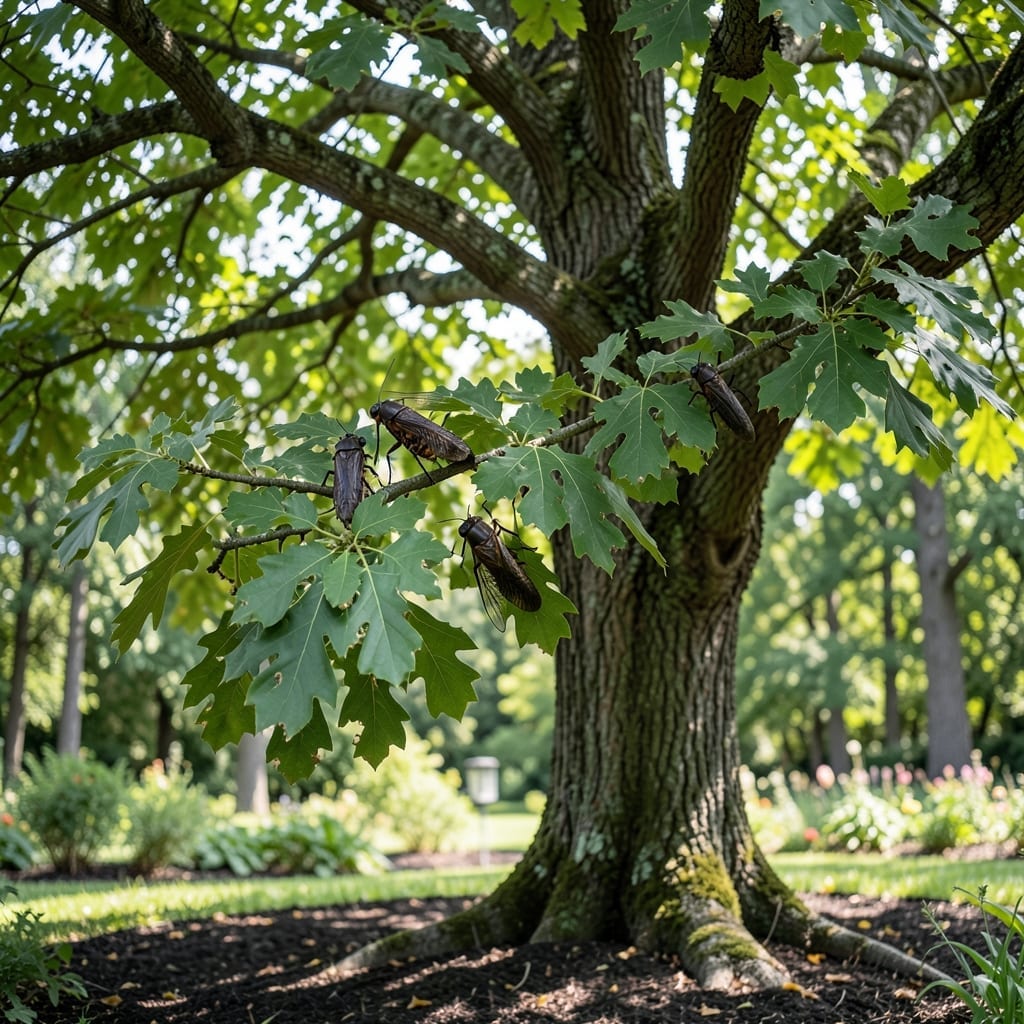
💥 Quick Answer Adult cicadas do not eat leaves or solid food. They feed on tree sap using their piercing mouthparts, while nymphs consume underground root fluids. I find their feeding habits fascinating because they rely entirely on plant fluids…
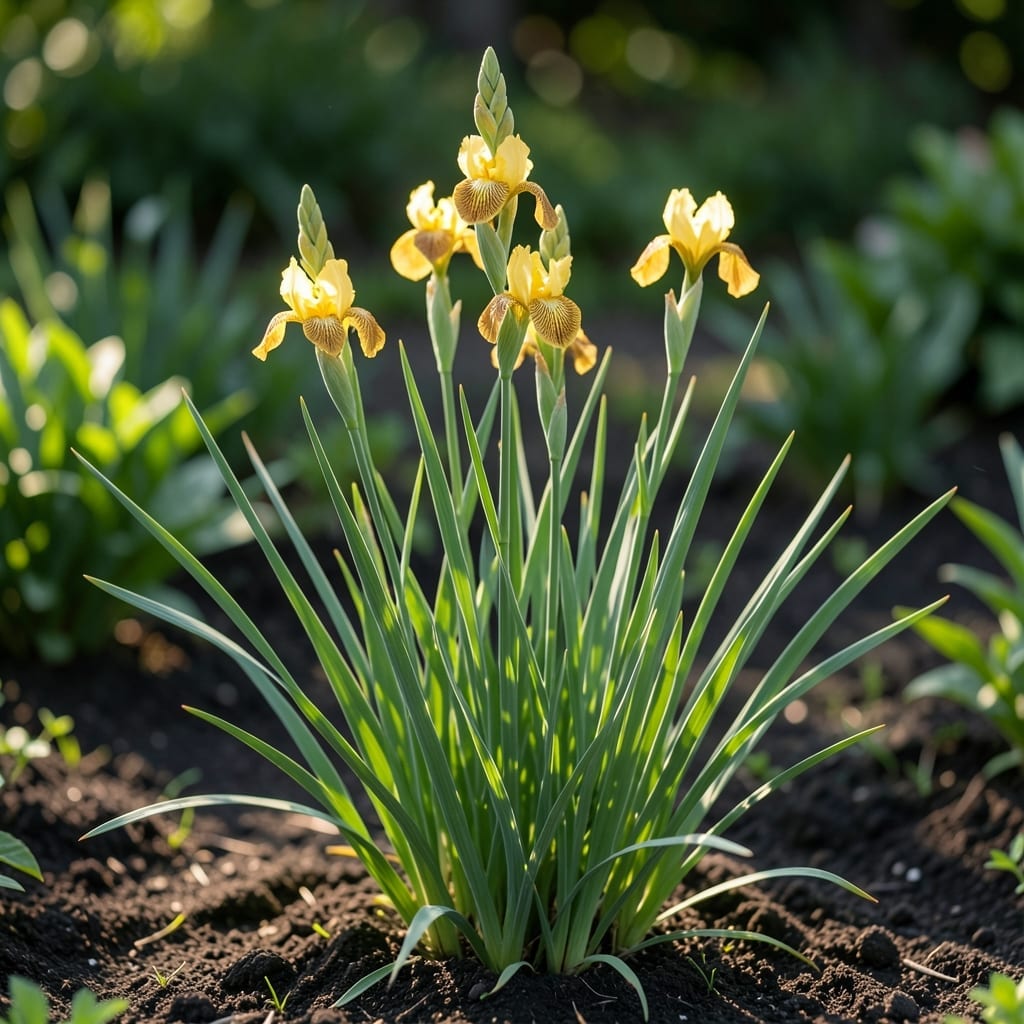
Sunny yellow blooms that return every year with almost no effort. I planted my first Siberian irises in partial shade, and they still outshone everything else in the garden by June. These tough plants thrive in moist but well-drained soil…
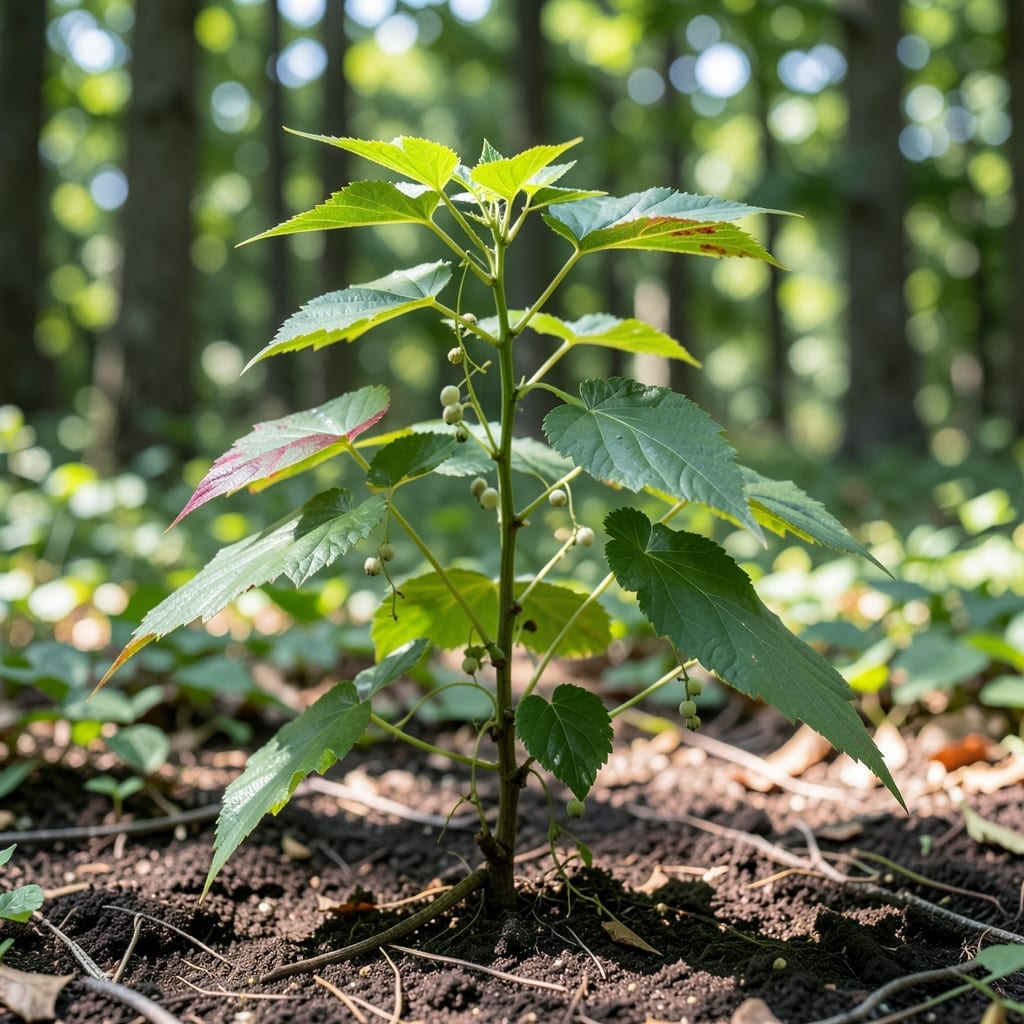
💥 Quick Answer No, poison ivy always has three leaflets per stem, never five. This common myth confuses it with Virginia creeper or other lookalike plants with five leaves. I’ve seen this mix-up trip up even experienced hikers. The three-leaf…