
Beautiful Plants For Your Interior
Beautiful Plants For Your Interior
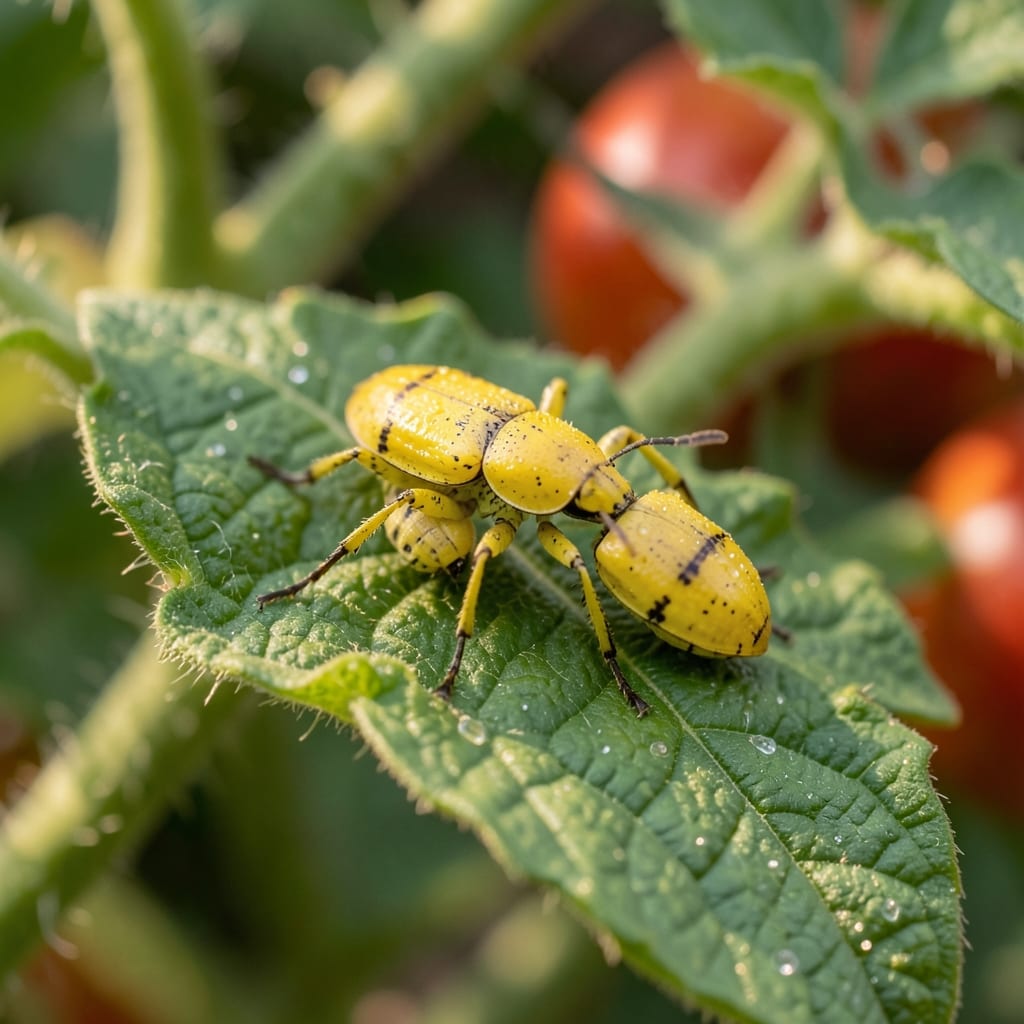
Tiny yellow invaders can ruin a tomato season faster than a late frost. I first spotted them clustered under leaves, sucking the life out of my best-producing plants and leaving curled, sticky foliage behind.
These pests multiply quickly, spreading from plant to plant if left unchecked. The damage isn’t just cosmetic—it weakens plants, stunts growth, and can transmit diseases that linger for years.
Here’s the thing—organic removal works, but timing matters. Catching them early means the difference between salvaging your crop and losing it entirely.
With the right approach, you can protect your plants without harsh chemicals. The solution is simpler than you might think.
The appearance of yellow tomato bugs—commonly stink bugs or leaf-footed bugs in the Hemiptera order—isn’t random. These pests are drawn to tomato plants for specific biological and environmental reasons. Understanding these triggers helps you prevent infestations before they start.
Yellow tomato bugs are highly attracted to overripe or physically damaged tomatoes. As fruits soften, they emit volatile organic compounds (VOCs) that signal a food source. These insects use their piercing mouthparts to feed on the juices, accelerating decay and introducing pathogens.
A garden missing beneficial insects like parasitic wasps, lacewings, or lady beetles creates an open invite for yellow bugs. These predators naturally regulate pest populations. Without them, stink bugs and their relatives multiply unchecked, especially in monoculture tomato patches.
Tomatoes under drought stress or overwatering produce weaker cell walls and altered sap chemistry. Yellow tomato bugs detect these stressed plants via chemosensory receptors and target them, as the compromised tissues are easier to pierce and feed from.
These pests thrive in warm, arid conditions typical of mid-to-late summer. Temperatures between 75–90°F (24–32°C) with low humidity accelerate their life cycle. In such climates, they lay more eggs and feed more aggressively, leading to visible yellow nymphs clustering on stems and fruit.
Dealing with yellow tomato bugs (often hornworms or stink bugs) can be frustrating, but these proven fixes will help you reclaim your garden. Below are targeted solutions based on the cause, plus prevention tips to keep them from returning.
If you spot large, visible pests like tomato hornworms, the simplest fix is to handpick them off plants early in the morning or late evening when they’re less active. Drop them into a bucket of soapy water to ensure they don’t return. Pro tip 💡: Wear gloves to avoid skin irritation from their defensive fluids.
Encourage beneficial insects like ladybugs, lacewings, or parasitic wasps by planting companion flowers (e.g., marigolds, alyssum). These predators feed on yellow tomato bug eggs and nymphs, reducing their numbers naturally. Avoid broad-spectrum pesticides, which harm these helpers too.
For smaller infestations, spray plants with neem oil or insecticidal soap (1 tbsp soap per quart of water). Focus on the undersides of leaves where bugs hide. Reapply every 5–7 days or after rain. ⚠️ Caution: Test on a small area first to avoid plant damage.
Prevent future outbreaks by rotating tomato plants yearly—don’t replant in the same spot. After harvest, remove plant debris and till the soil to expose overwintering pests to cold or predators. Pro tip ✨: Mulch with straw to deter soil-dwelling bugs.
Prevention is key! Combine these methods for a thriving, bug-free tomato patch. 🌱
Yellow tomato bugs are often small, oval-shaped insects with bright yellow or greenish-yellow bodies. Some have distinct markings or stripes. Nymphs may appear cluster together on stems or leaf undersides.
They’re attracted to stressed or overripe plants. Warm, dry conditions and lack of natural predators like ladybugs make your garden an easy target. Check for water stress or damaged fruit first.
Left unchecked, they can weaken plants within days and transmit diseases that linger. Early action is key—handpick or spray within 24-48 hours of spotting them.
Yes! Plant companion flowers like marigolds to attract predators. Rotate crops yearly and remove debris to break their life cycle. These steps reduce future infestations naturally.