
Beautiful Plants For Your Interior
Beautiful Plants For Your Interior
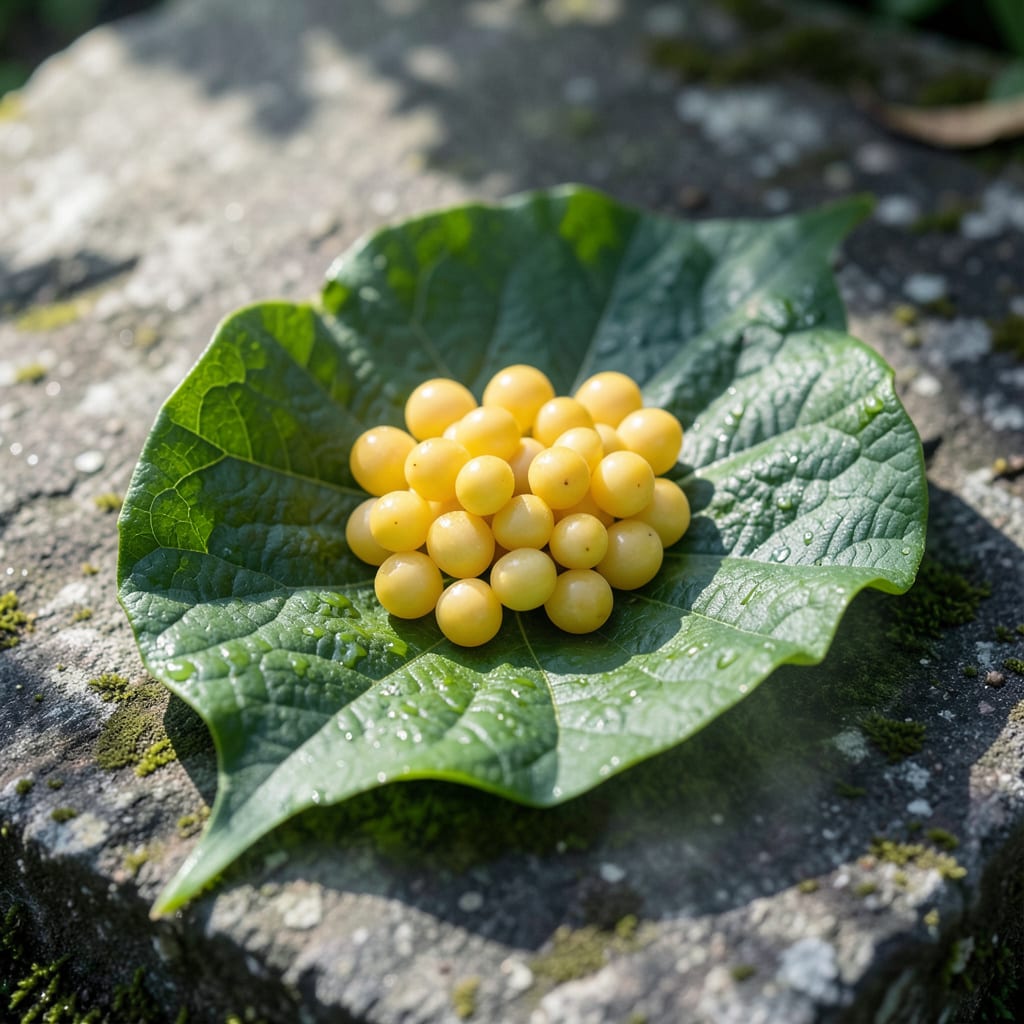
Spotted tiny yellow eggs on your leaves? I’ve been there—first time I saw them, I thought they were just pollen. Turns out, they’re usually a sign of aphids, spider mites, or scale insects getting ready to multiply.
Here’s the thing—catch them early and you can stop the infestation before it starts. A quick inspection with a magnifying glass reveals the culprit. Most gardeners miss these until the damage is already done.
Natural removal works best. A strong spray of water knocks them off, while neem oil or insecticidal soap handles what’s left. No harsh chemicals needed for effective control.
Check undersides of leaves weekly. Prevention beats treatment every time, and your plants will thank you with healthier growth.
Those tiny yellow eggs on leaves are almost always laid by pests looking for a safe, nutrient-rich spot to reproduce. Below are the most common culprits and why they target your plants.
Aphids are soft-bodied insects that often cluster on the undersides of leaves. They lay pale yellow to greenish eggs in spring and fall, choosing tender new growth where hatchlings can immediately feed on plant sap. Their rapid reproduction means a few eggs can explode into a full-blown infestation within days.
Spider mites thrive in hot, dry conditions and often deposit tiny, round yellow eggs along leaf veins or stems. These eggs hatch in as little as 3–5 days, leading to webbing and stippling damage as the mites suck out cell contents. Their preference for dusty or stressed plants makes proper hydration and cleanliness key preventative measures.
Whiteflies lay oblong, yellowish eggs in circular patterns on the undersides of leaves. These pests are drawn to plants with high nitrogen levels, often found in over-fertilized gardens. The eggs hatch into crawling nymphs that secrete honeydew, promoting sooty mold growth and weakening the plant further.
Lace bugs insert their yellow, flask-shaped eggs into leaf tissue, often on the lower surface. They target plants like azaleas, sycamores, and hawthorns, where they pierce cells to feed. The eggs are laid in rows and can be hard to spot without close inspection, making early detection challenging.
Dealing with tiny yellow eggs on leaves can feel overwhelming, but targeted solutions can restore your plant’s health quickly. Below are practical fixes for common causes, along with prevention tips to keep them from returning.
If aphids are the culprit, start by pruning heavily infested leaves and disposing of them in a sealed bag. Next, spray the plant with a neem oil solution (1 tsp neem oil + 1 liter of water + a few drops of dish soap). Repeat every 3–5 days until the eggs disappear. Prevention tip: 💡 Introduce ladybugs or lacewings, natural aphid predators, to your garden.
Spider mite eggs thrive in dry conditions. Wipe leaves with a damp cloth to remove visible eggs, then isolate the plant to prevent spreading. Increase humidity around the plant with a pebble tray or humidifier. For severe cases, use insecticidal soap (follow label instructions). Prevention tip: 🌡️ Mist plants regularly to deter mites from settling.
Whitefly eggs often cluster on the undersides of leaves. Use a handheld vacuum to gently suck up eggs and adults, then discard the bag immediately. Set up yellow sticky traps near the plant to catch remaining pests. Prevention tip: ✨ Rotate crops and avoid over-fertilizing, which attracts whiteflies.
For mealybugs, dab a cotton swab soaked in rubbing alcohol (70% isopropyl) directly onto the eggs and cottony clusters. Reapply every few days until gone. Prevention tip: 🔥 Inspect new plants thoroughly before bringing them indoors to avoid contamination.
Consistency is key—repeat treatments as needed, and always monitor leaves for new eggs. With these steps, your plants will be pest-free in no time!
Use a magnifying glass to check egg shape and location. Round eggs along veins suggest spider mites, while oblong clusters indicate whiteflies. Aphid eggs appear pale and scattered on new growth.
Yes, most hatch within 3-7 days. Spider mite eggs may hatch in as little as 3 days in warm conditions. Act fast to prevent an infestation from spreading.
Neem oil or insecticidal soap works well for most pests. For mealybugs, rubbing alcohol on a cotton swab removes eggs effectively.
Inspect plants regularly, especially leaf undersides. Maintain good air circulation and avoid over-fertilizing. Introduce beneficial insects like ladybugs for long-term control.
