
Beautiful Plants For Your Interior
Beautiful Plants For Your Interior
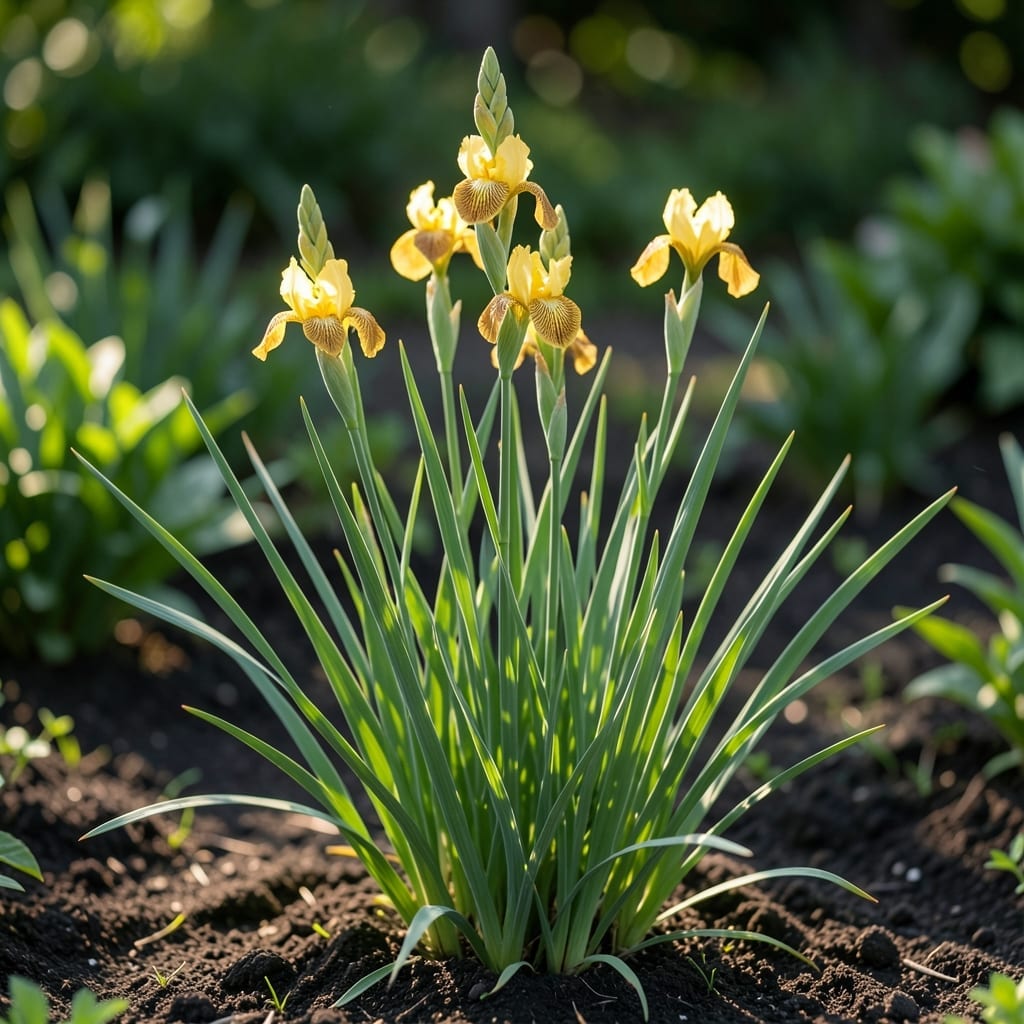
Sunny yellow blooms that return every year with almost no effort. I planted my first Siberian irises in partial shade, and they still outshone everything else in the garden by June.
These tough plants thrive in moist but well-drained soil and handle everything from full sun to light shade. They don’t demand perfect conditions—just consistent watering the first season while they establish their roots.
You’ll get 3-4 weeks of vibrant flowers starting in late spring, with sword-like foliage that stays attractive all season. Deer usually leave them alone, which is a bonus for rural gardens.
Perfect for borders, pond edges, or anywhere you want reliable color. Here’s how to make them flourish.
The vibrant greenery of your Siberian iris can turn yellow for several reasons, often tied to environmental stress or care gaps. Below are the most common causes, explained with actionable insights.
Siberian irises thrive in moist but well-drained soil. When roots sit in waterlogged conditions, they suffocate, leading to chlorosis (yellowing) due to reduced nutrient uptake. Poor drainage exacerbates this, especially in heavy clay soils. Fix: Amend soil with compost or sand, and ensure planting areas have proper drainage.
Yellow leaves often signal a lack of nitrogen (uniform yellowing) or iron (interveinal yellowing with green veins). Siberian irises are heavy feeders; depleted soil can’t sustain their growth. Fix: Test soil pH (aim for 6.0–7.5) and apply a balanced fertilizer or iron chelate for acidic conditions.
While these irises love sunlight, intense afternoon sun in hot climates can scorch foliage, causing yellow or brown patches. This is common in zones with high heat indices. Fix: Provide dappled shade during peak hours or relocate plants to a site with morning sun and afternoon protection.
Insects like iris borers or fungal diseases (e.g., bacterial leaf blight) stress the plant, disrupting chlorophyll production. Yellow streaks or wilting accompany these issues. Fix: Remove affected foliage, apply neem oil, and divide crowded clumps to improve airflow.
If your Siberian iris is showing yellowing leaves or stunted growth, don’t panic—most issues are fixable with a few simple steps. Below are targeted solutions for common problems, along with prevention tips to keep your garden thriving.
Fix: Siberian irises hate soggy roots. If water pools around the base, amend the soil with compost or sand to improve drainage. For severe cases, consider relocating the plant to a raised bed or slope. Pro tip: 💡 Test drainage by digging a 12-inch hole and filling it with water—if it doesn’t drain within an hour, the soil needs help.
Prevent: Plant in well-draining soil from the start, and avoid overwatering.
Fix: Yellowing leaves often signal a lack of nitrogen or iron. Apply a balanced, slow-release fertilizer in early spring, or use a foliar spray for quick absorption. For iron deficiency (common in alkaline soil), add chelated iron or sulfur to lower pH. Pro tip: 🎯 A soil test kit can pinpoint exact deficiencies.
Prevent: Enrich the soil annually with organic matter like compost or aged manure.
Fix: Siberian irises prefer full sun to partial shade. If leaves turn yellow or brown in scorching sun, provide afternoon shade with a lightweight fabric or nearby tall plants. For leggy, pale growth, trim back overhanging branches to let in more light. Pro tip: ✨ Observe your garden’s light patterns before planting.
Prevent: Site plants where they’ll get 6+ hours of sun daily, with protection from harsh midday rays.
Fix: Iris borers and aphids can cause yellowing and wilting. Remove affected foliage immediately and spray with neem oil or insecticidal soap. For borers, divide and inspect rhizomes every 3–4 years. Pro tip: 🔥 Clean up garden debris in fall to eliminate overwintering pests.
Prevent: Encourage natural predators like ladybugs and keep plants healthy to deter pests.
They thrive with 6+ hours of sunlight but tolerate partial shade. In hot climates, afternoon shade prevents leaf scorch.
Use moist but well-drained soil with a pH of 6.0–7.5. Amend heavy clay with compost or sand to improve drainage.
Divide every 3–4 years in early spring or fall to prevent overcrowding and maintain vigorous blooms.
Ensure proper drainage, test soil for nutrient deficiencies, and provide afternoon shade in intense heat.