
Beautiful Plants For Your Interior
Beautiful Plants For Your Interior
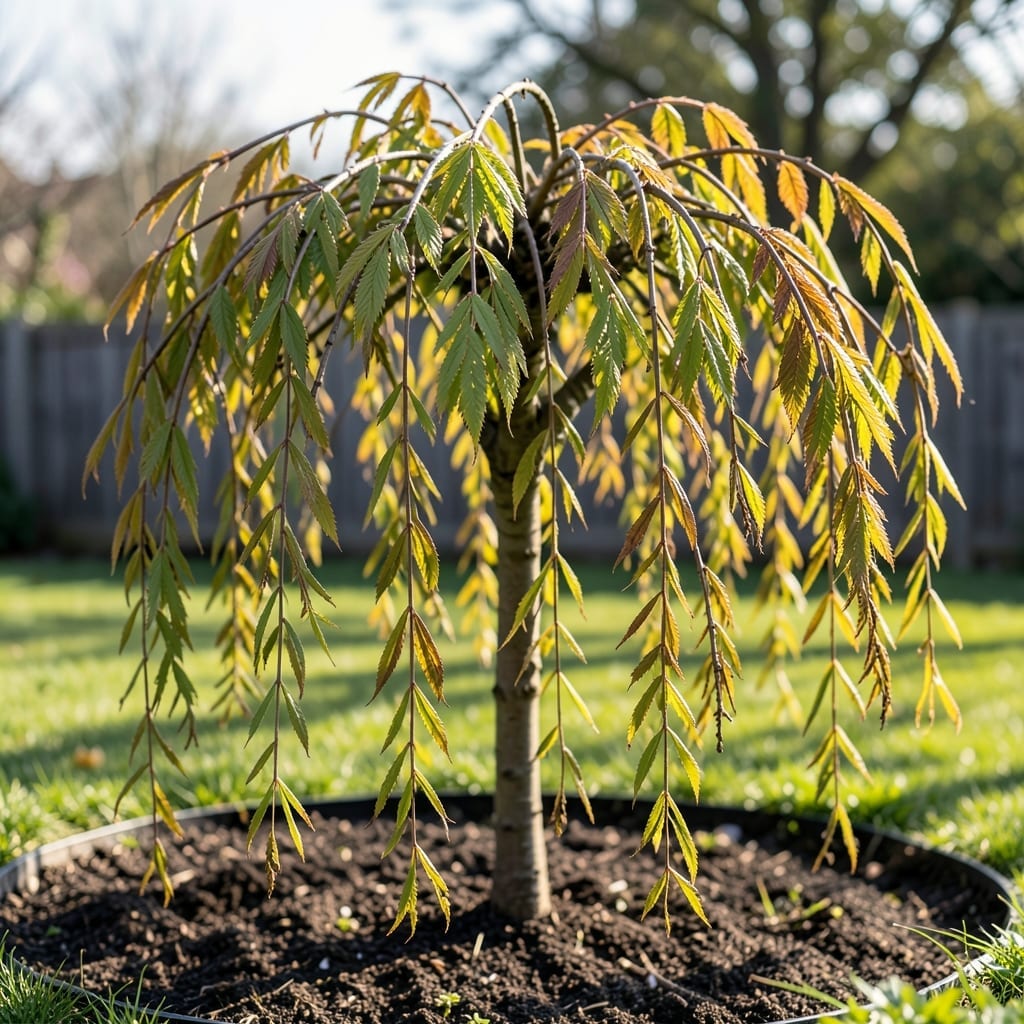
My weeping cherry’s leaves started curling last spring, and I panicked. Turns out, it was trying to tell me something—usually pest pressure, disease, or just stress from the wrong watering schedule.
I’ve seen this happen when aphids cluster on new growth or when powdery mildew coats the undersides. Even drought stress or overwatering can make leaves curl as the tree tries to conserve moisture or fight off invaders.
Once I adjusted the watering, pruned affected branches, and introduced beneficial insects, the leaves unfurled within 10-14 days. The tree looked healthier than ever by midsummer.
Early action is key. Spot the signs, treat the cause, and your weeping cherry will bounce back with its graceful, cascading form intact.
Weeping cherry trees are stunning, but when their leaves start curling, it’s often a sign of stress or disease. Here are the most common causes, explained in clear terms:
Extreme temperatures, drought, or overwatering can cause leaves to curl as a survival response. High heat or frost disrupts the tree’s moisture balance, while inconsistent watering leads to root stress. Weeping cherries thrive in well-drained, moist soil—so check your watering routine first.
Aphids, scale insects, and mite populations suck sap from leaves, causing them to distort and curl. Aphids, in particular, secrete honeydew that attracts sooty mold, compounding the problem. Inspect the undersides of leaves for tiny pests or sticky residue.
Fungal infections like peach leaf curl (Taphrina deformans) are common in cherry trees. This pathogen overwinters in bark and infects new growth in wet, cool spring conditions, leading to reddish, blistered, or curled leaves. Poor air circulation exacerbates fungal spread.
Drift from herbicides (e.g., glyphosate) or improper use of fertilizers can cause leaf curling. Even organic sprays like neem oil, if applied in high concentrations or under direct sunlight, may burn foliage. Always follow label instructions and apply treatments during cooler parts of the day.
A lack of magnesium, iron, or nitrogen can manifest as curled or yellowing leaves. Magnesium deficiency often shows as interveinal chlorosis (yellowing between veins), while nitrogen deficiency causes uniform pale green or yellow leaves. A soil test can confirm imbalances.
Addressing curling leaves on your weeping cherry tree starts with identifying the root cause. Below are targeted solutions for the most common issues, along with prevention tips to keep your tree thriving.
Mix 1 tablespoon of neem oil and 1 teaspoon of mild dish soap in a gallon of water. Spray the mixture thoroughly on both sides of the leaves, focusing on the undersides where aphids hide. Repeat every 5-7 days until the pests are gone. Prevention tip: 💡 Introduce ladybugs or lacewings—natural predators of aphids—to your garden.
Let the soil dry out slightly between waterings. Stick your finger 2 inches into the soil—if it feels damp, hold off on watering. Ensure your tree is planted in well-draining soil and avoid waterlogged areas. Prevention tip: ✨ Use a moisture meter to monitor soil conditions accurately.
For fungal issues like leaf spot or powdery mildew, apply a copper-based fungicide or a homemade baking soda spray (1 tablespoon baking soda + 1 gallon of water + a few drops of dish soap). Spray in the early morning to allow leaves to dry quickly. Prevention tip: 🌡️ Improve air circulation by pruning dense branches and spacing plants properly.
Test your soil to confirm deficiencies. For nitrogen lack, add compost or a balanced fertilizer (10-10-10). For magnesium, sprinkle Epsom salt (1 tablespoon per gallon of water) around the base. Prevention tip: 🎯 Fertilize in early spring and mid-fall to maintain nutrient levels.
If extreme heat or cold is the culprit, provide temporary shade with a cloth during peak hours or mulch around the base to regulate soil temperature. Prevention tip: 🌱 Plant in a location with partial shade if your climate has harsh summers or winters.
With proper treatment, leaves typically begin to uncurl within 7-14 days. Recovery speed depends on the cause—pest-related curling often resolves faster than fungal or nutrient issues.
Yes! Too much fertilizer, especially nitrogen, can burn roots and cause leaf curl. Stick to recommended doses and fertilize only during active growth periods.
Only remove severely damaged leaves. Mildly curled leaves may recover, and removing too many can stress the tree further. Prune affected branches only if they’re dead or diseased.
Not always. Temporary curling from heat stress or minor pests may resolve on its own. However, persistent curling usually signals a deeper issue needing attention.