
Beautiful Plants For Your Interior
Beautiful Plants For Your Interior
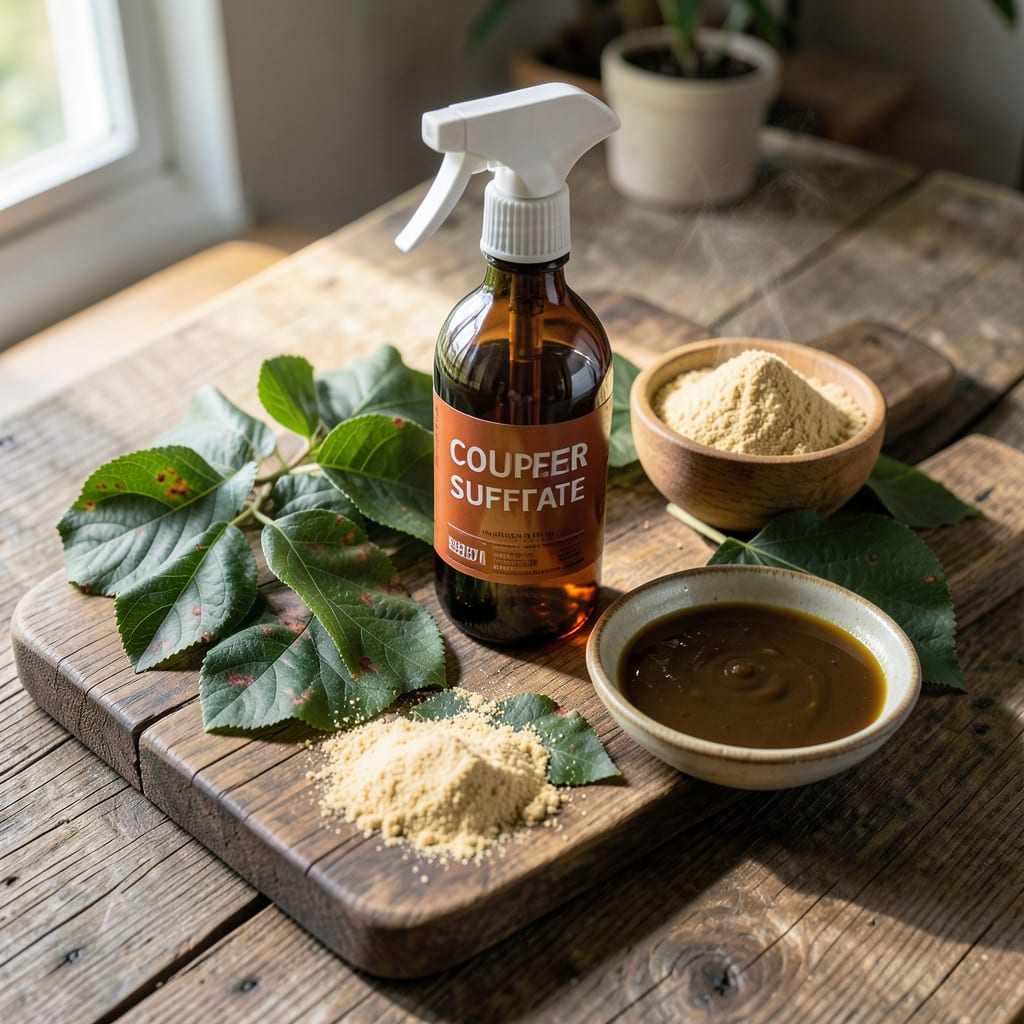
Red, puckered leaves on your peach tree mean trouble. I’ve battled peach leaf curl for years, and the organic copper spray method saved my harvest.
This fungal disease hits when spring rains coincide with bud break. Left untreated, it weakens trees and kills fruit. The fix is timing—apply before buds swell, then again after petals fall.
You’ll see healthy green leaves returning within weeks. No harsh chemicals, just a simple spray that protects your tree and the environment.
Works for peaches, nectarines, and almonds. Here’s how to mix and apply it right.
Peach leaf curl is a frustrating fungal disease caused by Taphrina deformans, which thrives in cool, wet conditions. Understanding its root causes helps you prevent and treat it effectively. Below are the primary triggers behind this common issue.
The fungus overwinters in bark and bud scales, waiting for spring rains to activate. When temperatures hover between 45–70°F (7–21°C) and moisture lingers on leaves for 12+ hours, spores germinate and infect new growth. Overhead watering or heavy dew exacerbates this.
Some peach and nectarine varieties are genetically more vulnerable, especially those with dense canopies that trap humidity. Young trees or those already stressed by poor soil, drought, or pruning wounds are prime targets for infection.
Crowded branches or planting in shaded, low-airflow areas creates a microclimate perfect for fungal spread. Without proper spacing, leaves stay wet longer, giving Taphrina deformans ample time to take hold.
Fallen leaves, mummified fruit, or unpruned infected shoots harbor spores year-round. If not removed and destroyed (not composted!), these become reinfection sources the following season.
Addressing these factors with organic practices—like improving drainage, pruning for airflow, and applying copper sprays before bud swell—can break the cycle.
Peach leaf curl is frustrating, but organic solutions can restore your tree’s health. Below are targeted fixes for each cause, along with prevention tips to keep your peach tree thriving.
If Taphrina deformans fungus is the culprit, act fast with organic copper fungicide. Apply a 1% copper spray (like Bordeaux mixture) at these key times:
Pro tip 💡: Use a fine mist to cover all branches, including the undersides of limbs. Repeat every 10–14 days during wet springs.
Fungus thrives in damp, stagnant conditions. Combat this by:
Pro tip 🌡️: Space peach trees at least 10–15 feet apart to reduce humidity buildup.
A stressed tree is more vulnerable. Boost its defenses with:
Pro tip ✨: Mulch with straw or wood chips (3–4 inches deep) to retain moisture and suppress weeds, but keep it 6 inches away from the trunk to prevent rot.
Stop peach leaf curl before it starts:
Apply copper spray in late winter before buds swell, then again after petals fall. Reapply every 10–14 days during wet springs for best results.
Yes! A baking soda solution (1 tablespoon per gallon of water) can help, but it’s less effective than copper. Always add 1 teaspoon of dish soap to help it stick.
Spores may linger in bark or debris. Ensure you remove fallen leaves and prune infected branches. Improve airflow by spacing trees 10–15 feet apart.
Yes! Varieties like ‘Frost’ and ‘Redhaven’ show better resistance. If replanting, choose these for a stronger defense against the fungus.
