
Beautiful Plants For Your Interior
Beautiful Plants For Your Interior
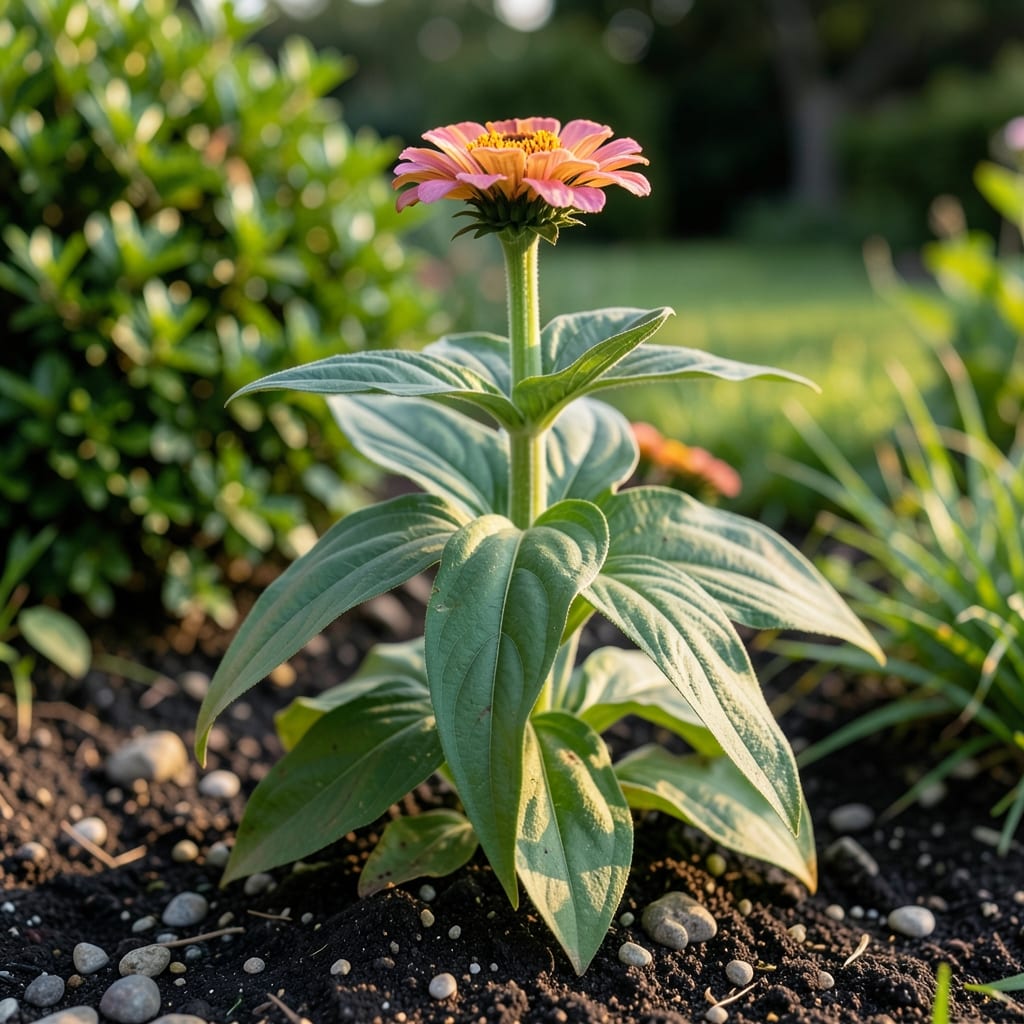
Leaf curl on zinnias stopped me in my tracks last summer. Those once-vibrant blooms looked like they’d been through a wind tunnel, and I knew something was seriously wrong.
Turns out, it’s usually not one culprit but a combination—fungal infections, thirsty plants, or even hungry pests. The good news? Most causes are 100% preventable with a few simple habit changes.
I fixed mine with better spacing, consistent watering, and a natural spray that costs pennies. The plants bounced back in under 2 weeks with fresh, flat leaves.
Here’s how to spot the real issue and stop it before it spreads to your entire flower bed.
Understanding why zinnia leaves curl starts with identifying the underlying stressors. Here are the most common causes, each with a clear explanation to help you diagnose the issue in your garden.
Zinnias are sensitive to extreme conditions. High temperatures (above 90°F) or prolonged drought can cause leaves to curl as a survival mechanism to reduce water loss. Similarly, cold snaps or sudden temperature drops may trigger stress responses, leading to deformed or curled foliage. Ensure consistent watering and mulch to regulate soil temperature.
While zinnias love moisture, soggy soil deprives roots of oxygen, stunting growth and causing leaf curl. Poor drainage exacerbates this, leading to root rot. Check soil moisture before watering—aim for damp, not drenched—and amend heavy clay soils with compost to improve drainage.
Aphids, whiteflies, and spider mites are notorious for sucking sap from zinnia leaves, causing them to distort and curl. These pests also spread viruses like aster yellows, which further deform foliage. Inspect the undersides of leaves for tiny insects or webbing, and treat with insecticidal soap or neem oil at first signs of trouble.
Pathogens such as Tomato Spotted Wilt Virus (TSWV) or fungal diseases like powdery mildew can induce leaf curling. Viruses are often spread by pests (e.g., thrips), while fungi thrive in humid, crowded conditions. Remove infected plants immediately to prevent spread, and improve airflow by spacing zinnias 12–18 inches apart.
A deficiency in magnesium or calcium can manifest as curled or cupped leaves. Over-fertilization, particularly with nitrogen-heavy products, may also cause rapid, weak growth that’s prone to curling. Conduct a soil test and adjust with balanced fertilizers or Epsom salt (for magnesium) as needed.
Leaf curl in zinnias can often be managed with the right approach. Below are practical solutions tailored to the most common causes, along with prevention tips to keep your plants healthy.
Remove and destroy infected leaves or entire plants to prevent the spread. Apply a copper-based fungicide or neem oil spray weekly until symptoms subside. For viral infections, there’s no cure—remove the plant entirely to protect others.
Prevention tip: 💡 Space plants properly for airflow, and avoid overhead watering to reduce humidity.
If heat or drought is causing leaf curl, water deeply at the base in the early morning. Mulch around plants to retain moisture. For sun scorch, provide afternoon shade with a shade cloth.
Prevention tip: 🌿 Ensure consistent watering and choose well-draining soil to avoid stress.
Check undersides of leaves for aphids, whiteflies, or mites. Blast them off with water or use insecticidal soap. For severe cases, introduce beneficial insects like ladybugs.
Prevention tip: ✨ Regularly inspect plants and encourage natural predators in your garden.
Yellowing leaves with curl may signal a lack of magnesium or potassium. Apply a balanced fertilizer or Epsom salt solution (1 tbsp per gallon of water) to correct deficiencies.
Prevention tip: 🎯 Test soil annually and amend as needed before planting.
Act quickly at the first sign of trouble, and your zinnias will reward you with vibrant, curl-free blooms!
Check the undersides of leaves for tiny insects like aphids or whiteflies. Look for webbing or sticky residue, which indicate pest activity. Treat with neem oil or insecticidal soap if found.
Not always! Environmental stress like heat or drought can also cause curling. If leaves perk up after watering or cooling, it’s likely stress-related, not a disease.
Yes, soggy soil can lead to root rot, which may cause leaves to curl. Always check soil moisture before watering—aim for damp, not drenched.
If the issue is a nutrient deficiency, Epsom salt (for magnesium) or a balanced fertilizer can help. Test soil first to confirm the deficiency.