
Beautiful Plants For Your Interior
Beautiful Plants For Your Interior
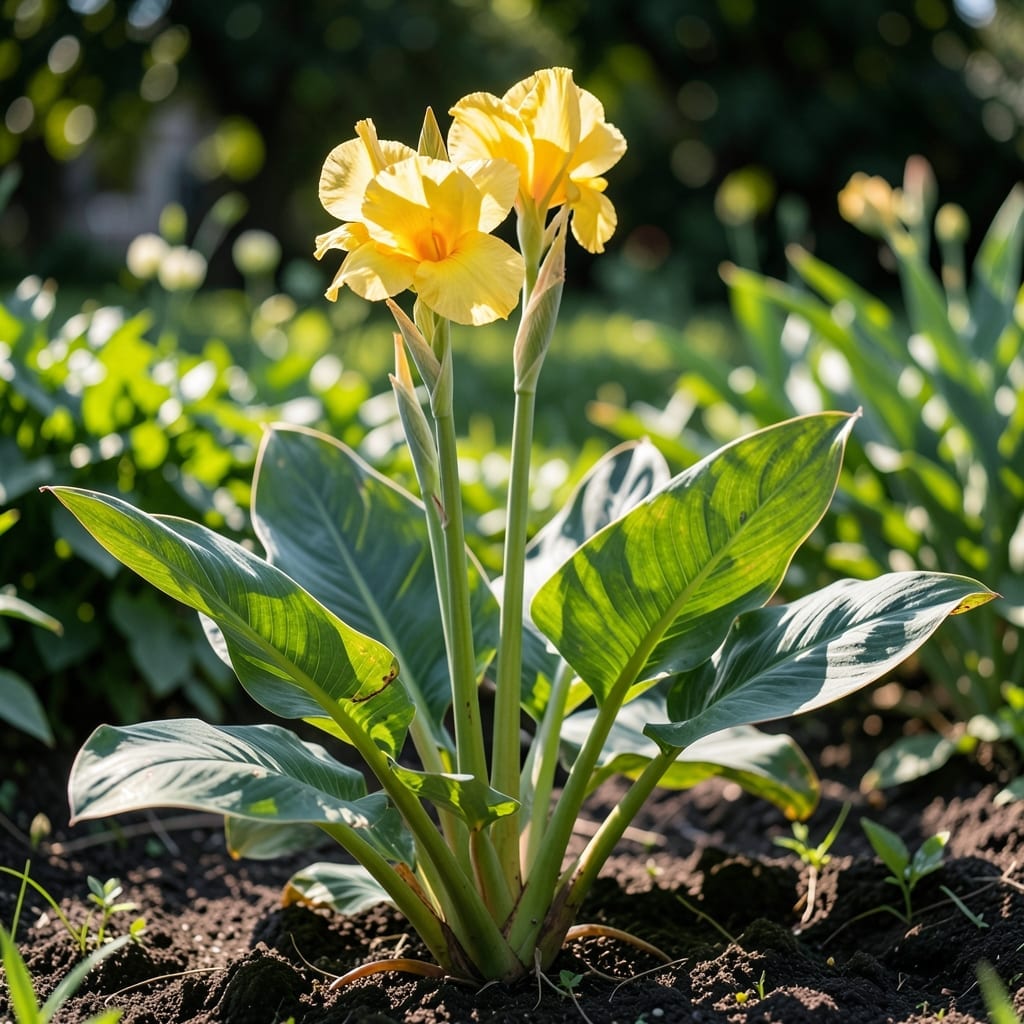
Nothing beats the bold yellow of canna blooms lighting up a garden. I’ve grown these for years, and their tropical vibe never fails to stop neighbors in their tracks.
They’re surprisingly low-maintenance once established. Plant in full sun with well-draining soil, keep them watered, and watch those vibrant flowers keep coming all season long.
📚 In This Guide
Here’s the method I use every year to grow vibrant canna blooms without fail.
Choose a location with full sun exposure, as cannas thrive in 6-8 hours of direct sunlight daily. The soil should be well-draining and rich in organic matter. I always amend the planting area with compost to improve fertility and drainage. Avoid low-lying spots where water might pool, as cannas dislike soggy roots.
Test the soil pH—cannas prefer a slightly acidic to neutral range of 6.0-7.0. If your soil is too alkaline, mix in sulfur or peat moss to lower the pH. Dig the bed to a depth of 12 inches and remove any rocks or debris that could obstruct root growth.
Plant canna rhizomes horizontally, about 2-4 inches deep and spaced 18-24 inches apart. I place each rhizome with the eyes (small bumps or buds) facing upward—this ensures proper growth direction. Cover them lightly with soil, pressing gently to eliminate air pockets.
Water the area thoroughly after planting to settle the soil. You’ll see the first shoots emerge in 2-3 weeks, depending on soil temperature. Cannas prefer warm soil, so planting after the last frost date when temperatures consistently stay above 50°F gives the best results.
Keep the soil consistently moist but not waterlogged during the growing season. I water deeply 2-3 times per week, adjusting based on rainfall and temperature. Mulching around the plants with 2-3 inches of organic material helps retain moisture and suppress weeds.
Fertilize cannas every 4-6 weeks with a balanced, water-soluble fertilizer (10-10-10 or 20-20-20). I’ve found that high-phosphorus fertilizers encourage more blooms. Watch for yellowing leaves, which often signal a need for additional nitrogen or iron.
Remove spent flower stalks regularly to encourage continuous blooming throughout the growing season. I use clean, sharp shears to cut the stalks back to the base of the plant. Deadheading not only keeps the garden tidy but also redirects energy toward producing new flowers.
Canna leaves can collect dust, which reduces their ability to photosynthesize. I occasionally rinse the leaves with a gentle spray of water, especially after dry, dusty periods. If aphids or spider mites appear, treat them promptly with insecticidal soap or neem oil to prevent damage.
In colder climates (USDA zones 7 and below), cannas won’t survive winter in the ground. After the first frost blackens the foliage, I cut the stems back to 6 inches and carefully dig up the rhizomes. Shake off excess soil and let them dry for a few hours before storing them in a cool, dry place.
Every 3-4 years, divide the rhizomes to prevent overcrowding and maintain vigor. Use a sharp knife to separate the rhizomes, ensuring each section has at least one eye. Replant the divisions in spring for a fresh display of vibrant yellow blooms.
Small adjustments in planting and care make all the difference for thriving cannas.
Sunlight Requirement: The 6-8 hours of direct sunlight mentioned in Step 1 is non-negotiable for vibrant blooms. I’ve tried planting in partial shade, and while the foliage grows, the flowers are sparse and pale. Choose the sunniest spot in your garden, especially in cooler climates where sunlight is less intense.
Soil Depth Insight: Digging to 12 inches as outlined in Step 1 ensures the rhizomes have room to establish a strong root system. Shallow planting leads to weak, top-heavy growth that’s more susceptible to wind damage. Take the time to prepare the bed properly—it pays off in plant stability and bloom quality.
Planting Depth: In Step 2, planting rhizomes 2-4 inches deep is critical. I learned the hard way that planting too shallow causes rhizomes to dry out or get exposed by rain, while planting too deep delays sprouting. Use a ruler if needed to hit that sweet spot, and always orient the eyes upward.
Fertilizer Timing: The 4-6 week fertilization schedule in Step 3 keeps cannas blooming continuously. Skipping applications or using a low-phosphorus fertilizer results in fewer, smaller blooms. Mark your calendar and stick to the schedule—consistency here is key.
Plant them in well-draining soil with full sun to partial shade. Water regularly but avoid soggy conditions. Fertilize monthly during the growing season for vibrant blooms.
They typically bloom from mid-summer to early fall, depending on the climate. In warmer zones, they may start flowering earlier and continue until frost.
Watch for aphids, spider mites, and canna rust. Prevent issues by keeping the area clean, using mulch, and applying neem oil or fungicides if needed.
Yes! Use a large pot with drainage holes and rich potting mix. Ensure they receive adequate sunlight and water, and bring them indoors in colder climates.
Lack of sunlight, poor soil fertility, or overcrowding may be the cause. Adjust care by providing more light, fertilizing, or dividing clumps every few years.