
Beautiful Plants For Your Interior
Beautiful Plants For Your Interior
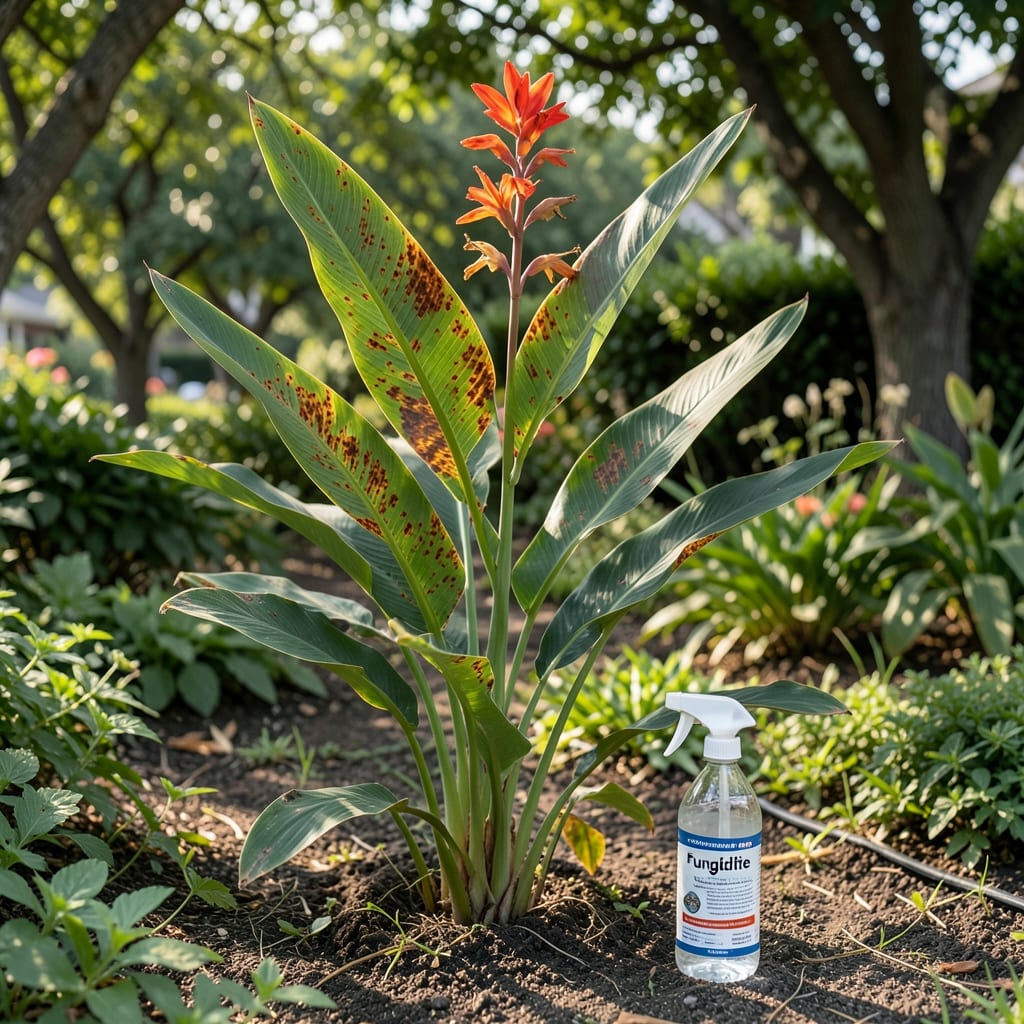
Spotted orange pustules on your canna leaves? That’s rust, and it spreads fast. I’ve lost entire stands to this fungus, but organic treatment turns the tide without harsh chemicals.
Copper-based sprays work, but so do simpler solutions like baking soda or neem oil. The key is catching it early before it defoliates your plants. I start at the first sign of yellowing.
Consistent treatment every 7-10 days keeps it in check. Remove infected leaves immediately—they won’t recover, and they’ll just spread spores to healthy growth.
Works best in morning applications when leaves dry quickly. Healthy plants resist better, so don’t skip the basics: good air flow and proper watering.
Canna rust, a common fungal disease, thrives under specific environmental conditions. Understanding its root causes helps gardeners prevent and treat it effectively.
This fungus, Puccinia thaliae, prospers in wet, humid environments. Overhead watering or prolonged leaf wetness (especially in warm climates) creates the perfect breeding ground. Water at the base of plants and space them properly to improve airflow.
Canna rust flourishes in temperatures between 65–85°F (18–29°C). High heat combined with moisture accelerates spore germination. Shade-cloth or strategic planting can mitigate this risk.
Dense plantings trap humidity around leaves, encouraging fungal growth. Thin out crowded cannas and prune nearby foliage to boost ventilation.
The fungus overwinters in plant debris and soil. Failing to remove diseased leaves or stems allows spores to reinfect new growth. Always sanitize tools and clear garden waste promptly.
Canna rust can be frustrating, but with the right approach, you can restore your garden’s health. Below are targeted solutions based on the cause, along with prevention tips to keep your plants thriving.
Fix: Remove infected leaves immediately and apply a copper-based fungicide or neem oil spray to affected plants. Repeat every 7–10 days until symptoms disappear.
Prevention: Space plants for airflow, avoid overhead watering, and clean garden tools regularly to prevent spore spread.
Fix: Improve drainage and reduce humidity by watering at the base of plants early in the day. Use a baking soda spray (1 tsp baking soda + 1 quart water + a few drops of dish soap) as a mild fungicide.
Prevention: Mulch with straw to keep foliage dry and rotate crops yearly to break the fungal lifecycle.
Fix: For heavy infestations, remove and destroy entire infected plants (do not compost). Apply a sulfur-based fungicide or commercial organic treatment, following label instructions.
Prevention: Plant rust-resistant canna varieties and inspect new plants for signs of disease before introducing them to your garden.
💡 Pro Tip: Always test sprays on a small area first to avoid plant damage. Consistency is key—stick to your treatment schedule for the best results!
Apply fungicide every 7-10 days during active growth or rainy periods. For organic options like neem oil, reapply after rain or heavy watering for best results.
Yes! A baking soda mix (1 tsp per quart of water) works well for mild cases. Always add a few drops of dish soap to help it stick to leaves.
Early morning is ideal—it allows leaves to dry before evening. Avoid spraying during hot afternoon sun to prevent leaf burn.
Remove heavily infected plants immediately to stop spores from spreading. Switch to a stronger fungicide like copper or sulfur for remaining plants.