
Beautiful Plants For Your Interior
Beautiful Plants For Your Interior
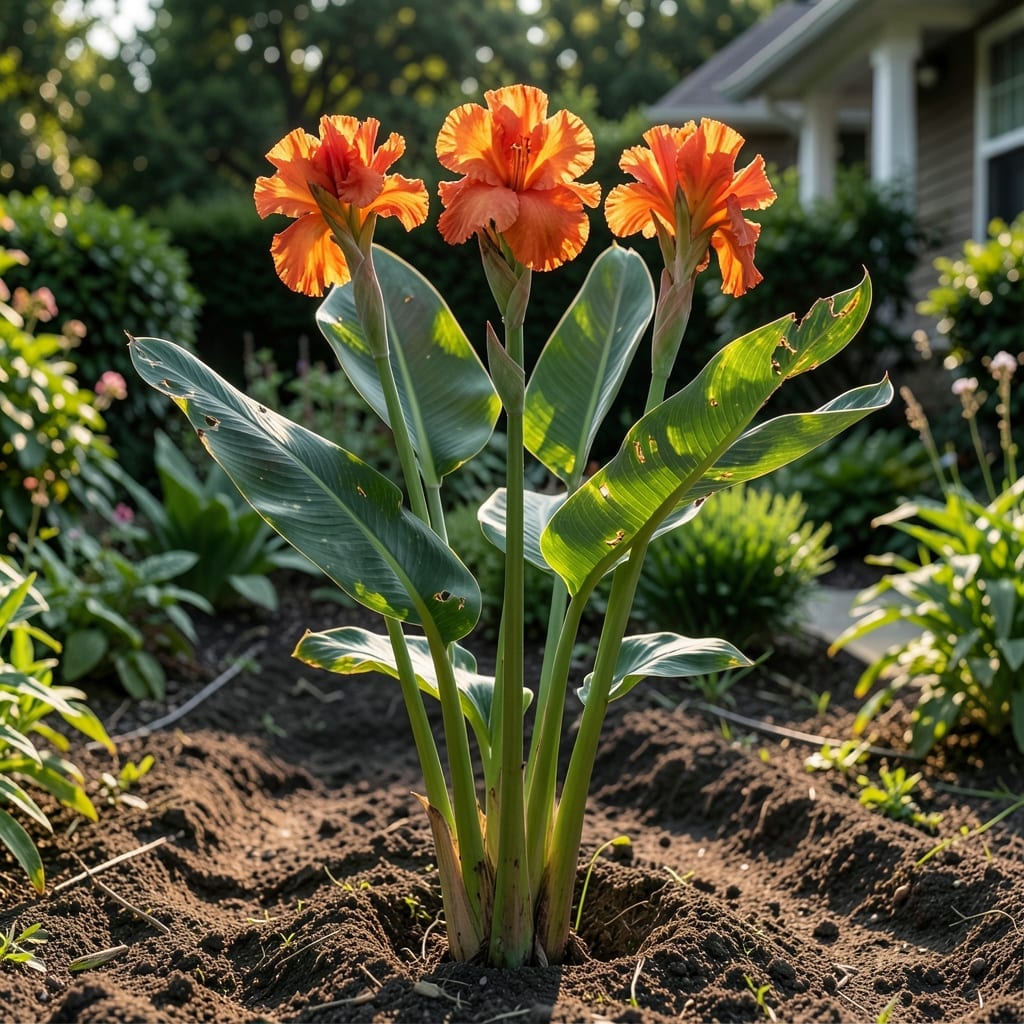
My canna leaves looked like Swiss cheese last summer. 🌿 Holes overnight, then more the next day—turns out Japanese beetles were throwing a party on my plants.
Here’s the thing—those holes aren’t just ugly, they’re a sign your cannas are under attack. Caterpillars, slugs, and even earwigs can join the feast, but beetles are the usual suspects.
I fixed mine with a 3-step organic approach that saved the next season’s leaves. The key is catching it early before the damage spreads to new growth.
Your plants can bounce back with the right fixes. Let’s get those cannas looking healthy and hole-free again.
Holes in canna leaves are rarely random—they’re usually a sign of specific pests or environmental stressors. Below are the most common causes, explained with actionable insights to help you diagnose and address the issue.
Japanese Beetles and Canna Leafrollers are the primary culprits. Japanese beetles chew irregular holes along leaf edges, often skeletonizing the foliage. Canna leafrollers, the larvae of the Calpodes ethlius moth, roll leaves into tubes and feed inside, creating large, ragged holes. Check undersides of leaves for eggs or larvae to confirm.
While less common, bacterial leaf spot (Xanthomonas spp.) or fungal pathogens can cause tissue death, leading to holes as damaged areas tear. Look for yellow halos around lesions or a watersoaked appearance. Overhead watering and poor air circulation exacerbate these issues.
High winds, hail, or accidental contact with tools can puncture leaves, but these holes are typically random and jagged. If the damage is isolated to lower leaves, consider debris or animal activity (e.g., birds pecking or squirrels nesting).
Severe potassium or magnesium deficiencies can weaken leaf tissue, making it more susceptible to tearing or pest attacks. Look for yellowing between veins (interveinal chlorosis) alongside holes. A soil test can confirm imbalances.
Dealing with holes in your canna leaves? Here are practical solutions tailored to the most common causes, along with tips to keep your plants thriving.
If caterpillars, slugs, or beetles are the culprits, start with hand-picking pests off the leaves early in the morning or after rain. For a gentle but effective fix, spray leaves with a neem oil solution (2 tbsp neem oil + 1 tsp dish soap + 1 quart water) every 5–7 days. To deter slugs, create a barrier with copper tape or sprinkle diatomaceous earth around the base of the plant.
Prevention tip: 💡 Encourage beneficial insects like ladybugs and lacewings by planting companion flowers such as marigolds or alyssum nearby.
For leaf spot diseases or bacterial blight causing holes, remove and destroy affected leaves immediately to prevent spread. Apply a baking soda spray (1 tbsp baking soda + 1 quart water + a few drops of dish soap) weekly to inhibit fungal growth. Ensure good air circulation by spacing plants properly and watering at the base (not overhead) to keep foliage dry.
Prevention tip: 🌡️ Avoid overwatering and use drip irrigation to maintain dry leaves, especially in humid climates.
Yellowing leaves with holes may signal a magnesium or potassium deficiency. Amend the soil with compost or a balanced organic fertilizer (like 10-10-10) to replenish nutrients. For a quick fix, apply Epsom salt (1 tbsp per gallon of water) as a foliar spray for magnesium. Test your soil pH—cannas prefer slightly acidic to neutral (6.0–7.0).
Prevention tip: ✨ Mulch around plants with organic matter to retain moisture and slowly release nutrients.
If holes appear due to wind damage or drought stress, move potted cannas to a sheltered spot or use windbreaks for in-ground plants. Water deeply 1–2 times per week (more in extreme heat) to keep soil consistently moist but not soggy. Trim damaged leaves to redirect energy to healthy growth.
Prevention tip: 🎯 Stake tall cannas to prevent stems from bending and leaves from rubbing against sharp edges.
Handpick visible pests like beetles or caterpillars immediately. Then apply neem oil spray every 5-7 days for ongoing protection. This disrupts their life cycle naturally.
Yes, but indirectly. Weak, yellowed leaves from magnesium or potassium shortages tear easily and attract pests. Fix with Epsom salt or compost to strengthen foliage.
Pest holes are irregular and often on leaf edges. Disease causes yellow halos or watersoaked spots. Check undersides for eggs or larvae to confirm pests.
Removing heavily damaged leaves redirects energy to healthy growth. Just use clean shears to avoid spreading disease.