
Beautiful Plants For Your Interior
Beautiful Plants For Your Interior
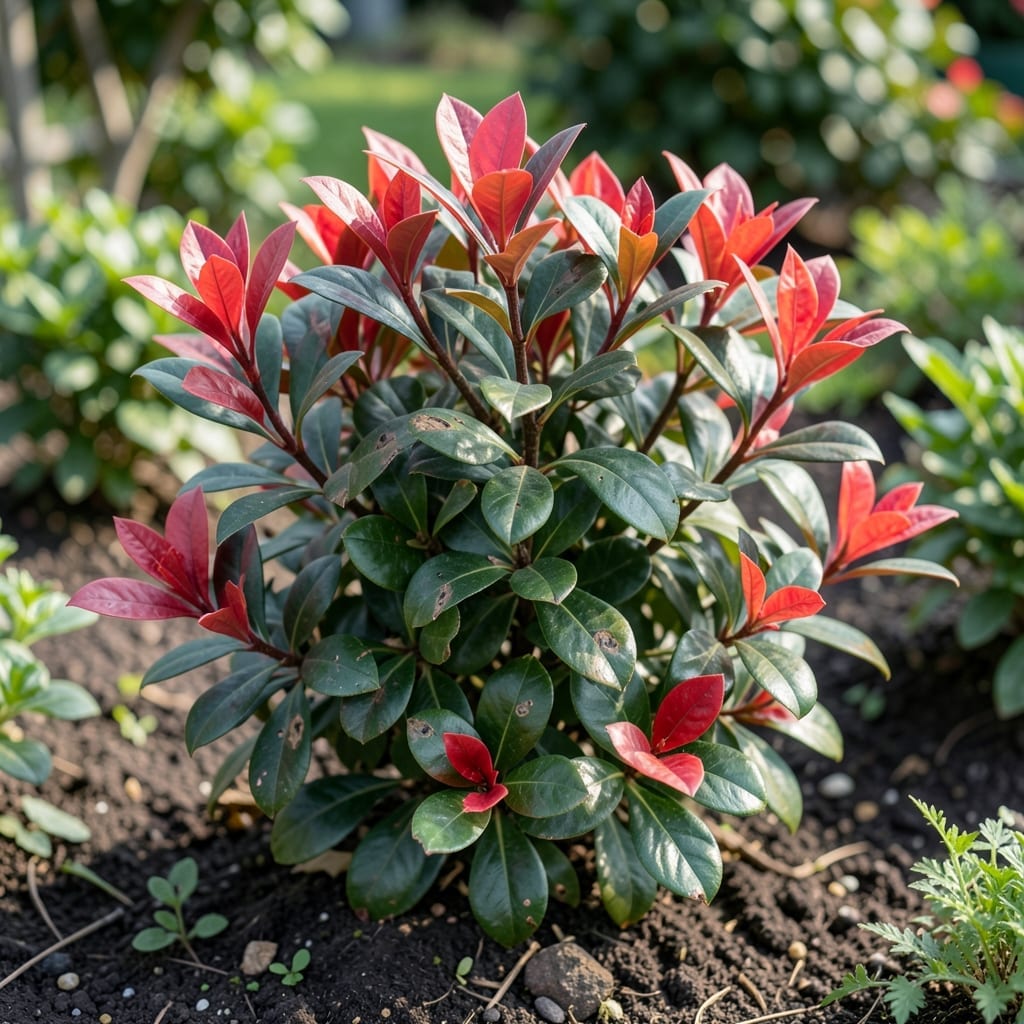
Those brown spots on your red tip photinia aren’t just ugly—they’re a warning sign. I’ve seen this exact pattern before, and ignoring it means more damage in 2-3 weeks.
Most times, it’s a fungal infection called leaf spot, thriving in wet, humid conditions. But before you grab the fungicide, check for watering habits or poor air circulation—they’re often the real culprits.
With the right treatment, you can stop the spread and restore those vibrant red leaves. Prune affected areas first, then apply a targeted solution. It’s simpler than you think.
Works for established shrubs and new plantings alike. Let’s save your photinia before it’s too late.
Brown spots on Red Tip Photinia are a common issue, often tied to environmental stress or disease. Below are the primary causes, explained with actionable insights.
The most frequent culprit is Entomosporium leaf spot, a fungus that thrives in wet, humid conditions. It appears as small, circular brown or purple spots with red halos, often merging into larger patches. Another fungal villain is Phyllosticta, which creates irregular brown spots with tan centers. These spores spread via water splashes, so overhead irrigation worsens the problem.
Excess moisture—whether from heavy rain, frequent watering, or compacted soil—creates a breeding ground for fungi. Photinia fraseri prefers well-draining soil; soggy roots stress the plant and invite pathogens. Check the soil: if it stays waterlogged 24+ hours after rain, drainage is likely the issue.
Extreme heat, drought, or sudden temperature swings can weaken the plant, making it more susceptible to disease. Brown spots may also appear after frost damage or prolonged exposure to harsh sunlight, especially in newly planted shrubs.
While less common, pests like scale insects or aphids can cause indirect browning. Their feeding weakens leaves, making them prone to secondary fungal infections. Inspect the undersides of leaves for sticky residue (honeydew) or tiny insects.
A lack of essential nutrients (e.g., potassium or magnesium) can manifest as brown or yellow spots. Test your soil—photinias thrive in slightly acidic to neutral pH (6.0–7.0). Over-fertilizing with nitrogen can also trigger leaf scorch, appearing as brown edges or spots.
If your red tip photinia is sporting unsightly brown spots, don’t panic—there are practical fixes for each underlying cause. Below are targeted solutions, organized by the most common issues, along with prevention tips to keep your shrubs thriving.
Fix: For Entomosporium leaf spot (the usual culprit), start by removing and destroying infected leaves to stop the spread. Apply a copper-based fungicide or neem oil every 7–10 days until symptoms fade. Water at the base of the plant (not overhead) to reduce moisture on leaves.
Prevent: Improve air circulation by pruning dense growth. Avoid late-day watering, and space plants 3–4 feet apart for better airflow.
Fix: Let the soil dry out between waterings. If the plant sits in soggy soil, repot or amend the bed with compost to improve drainage. Trim blackened, mushy roots if root rot is suspected.
Prevent: Use a moisture meter to gauge water needs, and mulch with bark to retain even moisture without waterlogging.
Fix: For aphids or scale (which can weaken plants, making them prone to spots), blast them off with water or apply insecticidal soap. Severe cases may need horticultural oil.
Prevent: Encourage beneficial insects like ladybugs by planting pollinator-friendly flowers nearby. Inspect leaves weekly for early signs of pests.
Fix: Yellowing leaves with brown spots often signal a magnesium or iron deficiency. Use a balanced, slow-release fertilizer or chelated iron for quick correction. Test soil pH—photinia prefers slightly acidic (6.0–6.5).
Prevent: Feed photinia in early spring and mid-summer with a shrub-specific formula to maintain vigor.
Look for circular spots with red halos or tan centers. If they spread quickly after rain, it’s likely Entomosporium leaf spot.
Yes! A mix of 1 tablespoon baking soda and 1 gallon water with a drop of dish soap can help. Apply weekly until spots fade.
Remove only heavily spotted leaves. Lightly affected ones may recover with treatment. Always disinfect pruners between cuts.
Water deeply once a week, allowing soil to dry between sessions. Overwatering encourages fungal growth.