
Beautiful Plants For Your Interior
Beautiful Plants For Your Interior
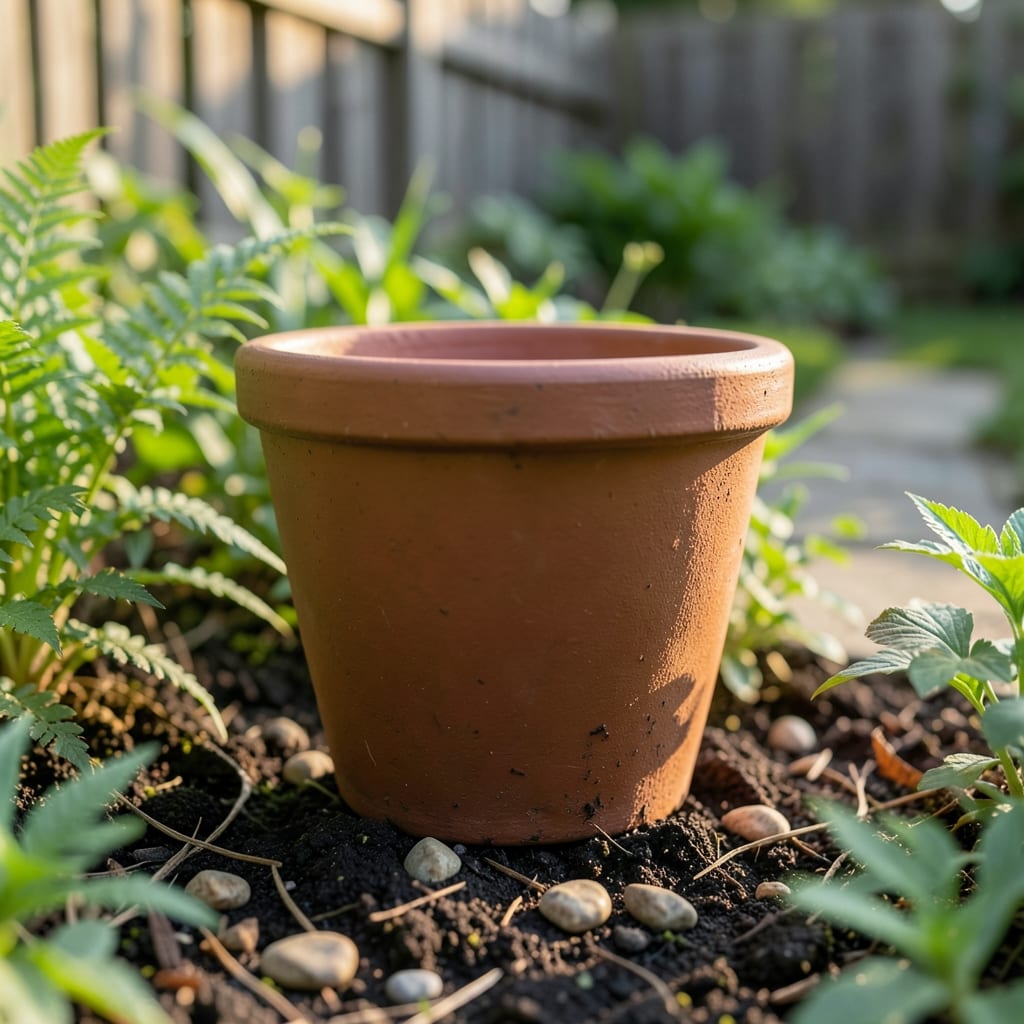
Common issues in brown planter pots include root rot from overwatering, fungal diseases like powdery mildew, and pests such as spider mites. Proper drainage and sanitation prevent most problems.
I’ve found that terracotta and ceramic pots often trap excess moisture, creating the perfect breeding ground for these issues. The porous nature of these materials means they absorb water, which can lead to saturation if not managed. 🔥 Regularly checking soil moisture levels and ensuring pots have drainage holes can make a significant difference in keeping plants healthy.
💡 In This Article
The porous nature of terracotta and ceramic pots creates a unique microclimate. These materials absorb and retain 20-30% of their weight in water, which dramatically slows evaporation from the soil. This moisture retention, combined with poor airflow in dense soil mixes, creates a stagnant environment where fungal spores thrive and root systems suffocate. 🔥
Root rot often appears as yellowing leaves and mushy stems, while fungal diseases like powdery mildew show as white, powdery spots on leaves. Spider mites leave tiny webbing and stippled leaf surfaces. The brown color of these pots can mask early signs of algae growth on the exterior, which often indicates excessive moisture inside.
The darker the pot, the more heat it absorbs, potentially cooking roots in direct sunlight.
Organic matter buildup at the soil surface creates another problem. As old leaves and stems decompose, they form a dense layer that prevents proper water drainage and air circulation. This layer also becomes a breeding ground for fungus gnats and other pests.
In 6-8 weeks, a neglected pot can develop multiple interconnected issues that are harder to treat. ✨
What most gardeners don’t realize is that the glaze on some brown ceramic pots can prevent the pot from breathing at all. While terracotta allows some airflow through its walls, glazed ceramics trap moisture completely. This is why plants in glazed brown pots often require 30-40% less water than those in unglazed terracotta.
The lack of breathability means roots can’t recover from overwatering as easily.
Seasonal changes exacerbate these problems. In summer, terracotta pots can heat up to 10-15°F above air temperature, stressing plants and accelerating water loss. In winter, the same pots retain cold, slowing root growth and making plants more susceptible to rot.
Monitoring with a moisture meter can reveal that soil in brown pots often stays damp 2-3 days longer than in plastic containers. 💫
Terracotta is porous and allows moisture to evaporate through its walls, while glazed pots trap water inside. Plants in glazed brown pots often need 30-40% less water.
Look for yellowing leaves, mushy stems, and soil that stays soggy for 2-3 days. A foul smell from the soil is another red flag.
Ensure pots have drainage holes and elevate them on pot feet or bricks. This allows excess water to escape and prevents pooling.
Yes! Mix 1 tsp baking soda in 1 quart water and spray weekly. For pests, 1 tbsp neem oil in 1 cup water works well.