
Beautiful Plants For Your Interior
Beautiful Plants For Your Interior
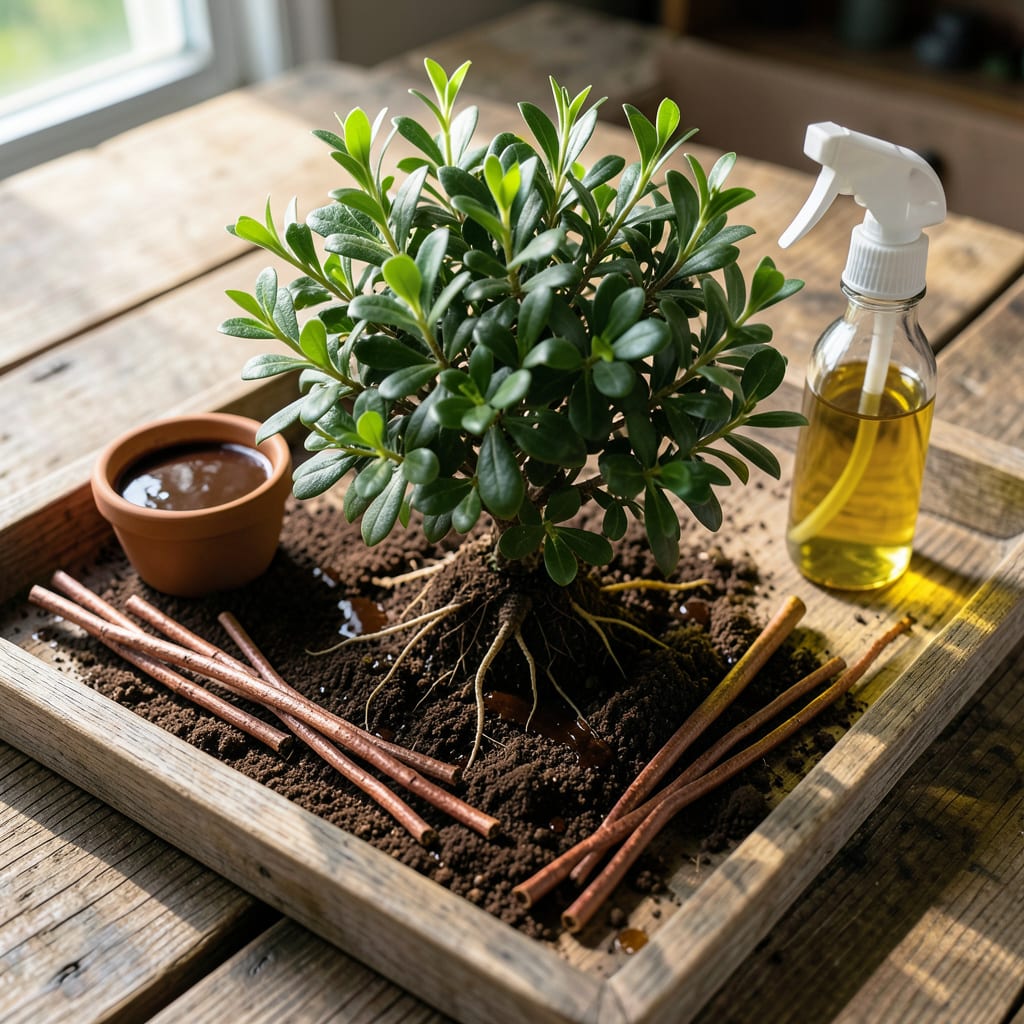
Yellowing leaves and wilting branches caught me off guard last summer. Boxwood root rot sneaks in quietly, often mistaken for drought stress until it’s too late. I learned the hard way that early detection saves plants.
The culprit is usually poor drainage or overwatering, creating the perfect environment for fungi to attack the roots. Once the soil stays soggy, the roots suffocate, and the plant can’t absorb nutrients. It’s a silent killer.
Here’s the thing— organic treatments like neem oil or compost tea can revive the soil, but only if you act fast. Removing affected roots and improving drainage is non-negotiable. I’ve saved more than half my boxwoods with this approach.
Prevention is simpler than cure. Plant resistant varieties, ensure proper spacing, and always check soil moisture before watering. A little attention now avoids heartbreak later.
Boxwood root rot is a devastating fungal disease primarily caused by Phytophthora species, though other pathogens like Pythium and Fusarium can also contribute. Understanding the root causes helps prevent and treat the issue effectively. Below are the key factors behind this problem:
Boxwoods thrive in well-draining soil, but excessive moisture creates the perfect breeding ground for root rot fungi. Saturated soil deprives roots of oxygen, weakening the plant and making it susceptible to infection. Heavy clay soils or compacted root zones exacerbate the issue by trapping water around the roots.
Phytophthora and similar pathogens thrive in temperatures between 60–85°F (15–29°C) with high humidity. Prolonged rainfall, poor air circulation, or overhead irrigation can create a damp environment that accelerates fungal growth. Mulching too heavily or using non-porous materials (like plastic) can also trap moisture against the stem.
Root rot fungi can persist in soil for years, especially in areas where infected plants once grew. Reusing contaminated potting mix, tools, or even shoes can spread the pathogen to healthy boxwoods. Always sterilize pruning shears and avoid moving soil between garden beds without proper treatment.
Boxwoods under stress—from drought, nutrient deficiencies, or physical damage—are more vulnerable to root rot. Over-fertilization (especially with high nitrogen) can also soften root tissues, making them easier for fungi to invade. Proper cultural care strengthens natural defenses.
Addressing these causes early can save your boxwoods from irreversible decline.
Stopping boxwood root rot starts with identifying the root cause. Below are targeted fixes paired with practical prevention tips to revive your shrubs and keep them healthy.
If water pools around your boxwoods, the roots suffocate. Fix it: Amend heavy clay soil with compost, coarse sand, or pine bark fines to boost drainage. For potted boxwoods, ensure containers have drainage holes and use a well-draining potting mix. Prevent it: Plant boxwoods in raised beds or slightly mounded soil to avoid waterlogging. 💡 Pro tip: Test drainage by digging a 1-foot hole—if water doesn’t drain within 4 hours, improve the soil.
Fungi like Phytophthora thrive in wet conditions. Fix it: Prune away blackened, mushy roots with sterilized shears and discard (don’t compost!). Treat the remaining soil with organic fungicides like copper-based sprays or beneficial bacteria (e.g., Bacillus subtilis). Prevent it: Space plants for airflow, avoid overhead watering, and apply a 2–3 inch layer of mulch (but keep it away from the stem). ✨ Bonus: Solarize soil in infested areas by covering with clear plastic for 4–6 weeks to kill fungi.
Too much love can drown your boxwoods. Fix it: Let the top 1–2 inches of soil dry between waterings. Use a moisture meter to check before watering. For established plants, deep water once weekly (more in extreme heat). Prevent it: Install drip irrigation to deliver water directly to roots and reduce evaporation. 🌡️ Pro tip: Water in the early morning to allow foliage to dry quickly.
Tight soil chokes roots and traps moisture. Fix it: Gently aerate the root zone with a garden fork, working in organic matter to loosen the soil. Avoid heavy foot traffic near the base. Prevent it: Apply organic mulch annually to improve soil structure naturally. 🎯 Remember: Never dig deeper than the root ball to avoid damaging shallow boxwood roots.
Look for yellowing leaves, wilting despite moist soil, or black, mushy roots. A foul odor from the soil is another telltale sign. Early detection is key to saving the plant.
If most roots are black and soft, recovery is unlikely. For mild cases, prune affected roots, improve drainage, and treat with fungicide. Prevention is always easier than cure.
Use a well-draining mix with 50% loam, 30% compost, and 20% coarse sand or perlite. Avoid heavy clay or water-retentive soils.
Water only when the top 1–2 inches of soil are dry. Overwatering after treatment can undo your progress. Use a moisture meter for accuracy.
