
Beautiful Plants For Your Interior
Beautiful Plants For Your Interior
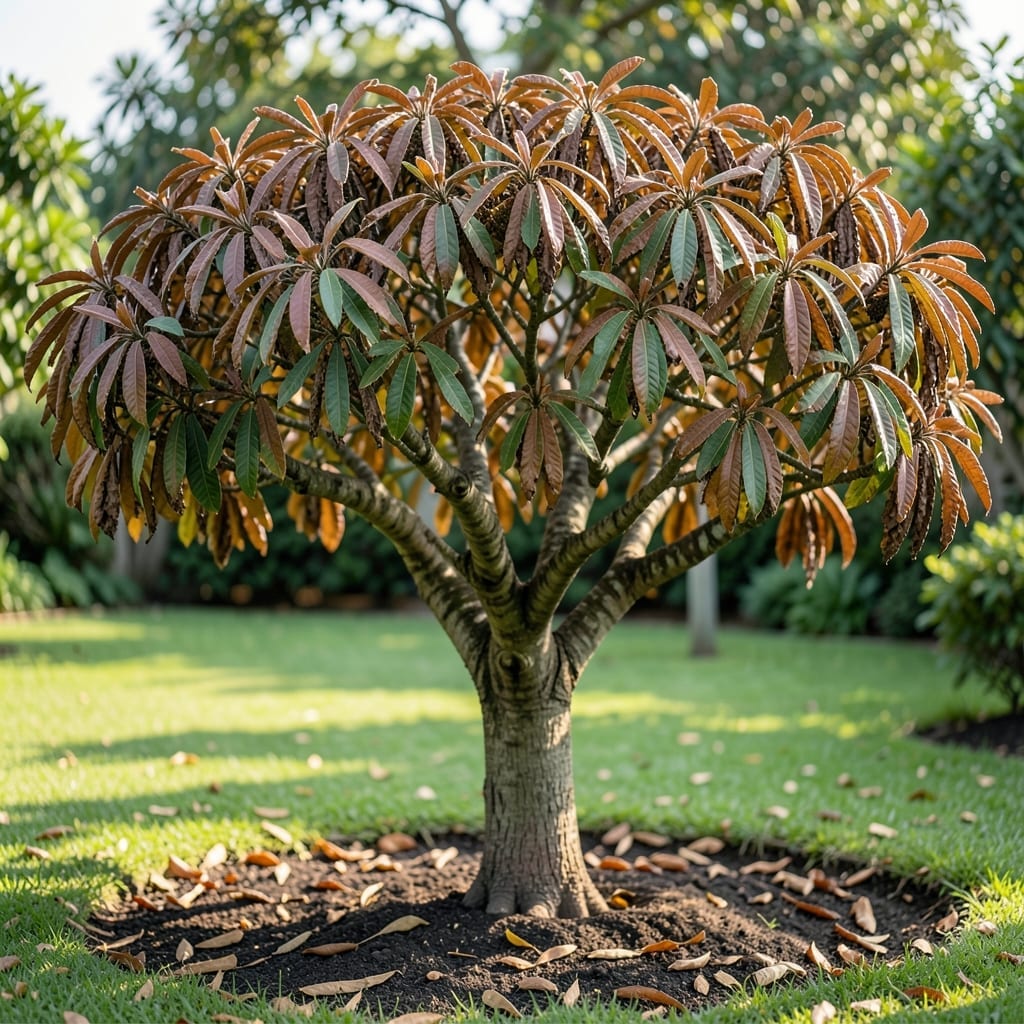
Those brown leaves on your lychee tree aren’t just unsightly—they’re a warning sign. I’ve learned the hard way that early diagnosis means the difference between a quick fix and a long-term problem.
Most cases come down to 3 common culprits: water stress, nutrient imbalance, or pests. The good news? Each has clear symptoms you can spot before they spread. My trees bounce back faster when I catch issues in the first 24-48 hours.
You’ll see new growth returning within 1-2 weeks once you address the root cause. The leaves regain their deep green color, and the tree resumes its normal growth pattern. No advanced tools required—just observation and timely action.
Works for potted lychees, orchard trees, and everything in between. Here’s how to pinpoint the problem and fix it for good.
Brown lychee leaves often signal underlying issues that need prompt attention. Here are the most common causes:
Lychee trees thrive in warm, subtropical climates. Exposure to frost, cold snaps, or extreme heat can cause leaf edges to brown and crisp. Temperatures below 32°F (0°C) trigger cellular damage, while heat above 100°F (38°C) leads to moisture loss and scorching. Action: Use frost cloths in winter and provide afternoon shade in peak summer.
Both underwatering and overwatering stress lychee trees. Drought causes leaves to dry and brown from the tips inward, while waterlogged roots suffocate, leading to yellowing followed by browning. Action: Check soil moisture 2 inches deep—water when dry, but ensure good drainage to prevent root rot.
Pathogens like Colletotrichum (anthracnose) or Phytophthora thrive in humid conditions, causing dark brown spots or blotches. These often start on older leaves and spread. Action: Improve air circulation, avoid overhead watering, and apply copper-based fungicides preventatively.
A lack of potassium, magnesium, or nitrogen can manifest as browning. Potassium deficiency often shows as scorched leaf edges, while magnesium shortage causes interveinal browning. Action: Test soil and amend with balanced fertilizers (e.g., 8-3-9 NPK) or Epsom salts for magnesium.
Sap-sucking pests like lychee stink bugs, mites, or scale insects weaken leaves, leading to browning. Their feeding creates small yellow or brown spots that expand. Action: Inspect undersides of leaves and treat with horticultural oil or insecticidal soap.
Addressing brown lychee leaves starts with identifying the root cause. Here’s how to tackle each issue effectively:
If leaves are crispy and brown at the edges, shade the tree during peak sunlight hours (10 AM–4 PM). Use shade cloth or plant taller companions nearby. Prevent future stress by ensuring the tree gets morning sun and afternoon shade, especially in hot climates.
For dry, curled leaves, water deeply 2–3 times a week, letting the top 2 inches of soil dry out between waterings. If leaves are yellowing and brown, reduce watering and improve drainage by mixing sand or perlite into the soil. Pro tip ✨: Mulch with organic matter to retain moisture without waterlogging.
Spot brown patches with yellow halos? Prune infected leaves immediately and dispose of them far from the tree. Apply a copper-based fungicide weekly until symptoms fade. Prevent outbreaks by spacing trees for airflow and avoiding overhead watering.
Check for webbing, sticky residue, or tiny bugs. Spray neem oil or insecticidal soap every 5–7 days to eliminate mites, aphids, or scales. Encourage natural predators like ladybugs by planting companion flowers nearby.
Yellowing leaves with brown tips often signal a lack of potassium or magnesium. Fertilize with a balanced 10-10-10 formula or add compost rich in organic matter. For quick fixes, use a foliar spray of Epsom salt (1 tbsp/gallon of water) for magnesium.
Prevention tip 💡: Test soil annually and adjust amendments as needed.
Water deeply 2-3 times per week, allowing the top 2 inches of soil to dry between sessions. Overwatering causes yellowing first, while drought leads to crispy edges. Always check soil moisture before adjusting.
No, once leaves brown they won’t recover. Focus on correcting the issue to prevent new leaves from browning. Healthy growth should return within 1-2 weeks of proper care.
Use a balanced 10-10-10 or 8-3-9 NPK formula. For magnesium deficiency, add Epsom salts (1 tablespoon per gallon of water) as a foliar spray. Always test soil first.
Improve air circulation by spacing trees properly. Avoid overhead watering and apply copper-based fungicides preventatively. Remove infected leaves immediately to stop spread.