
Beautiful Plants For Your Interior
Beautiful Plants For Your Interior
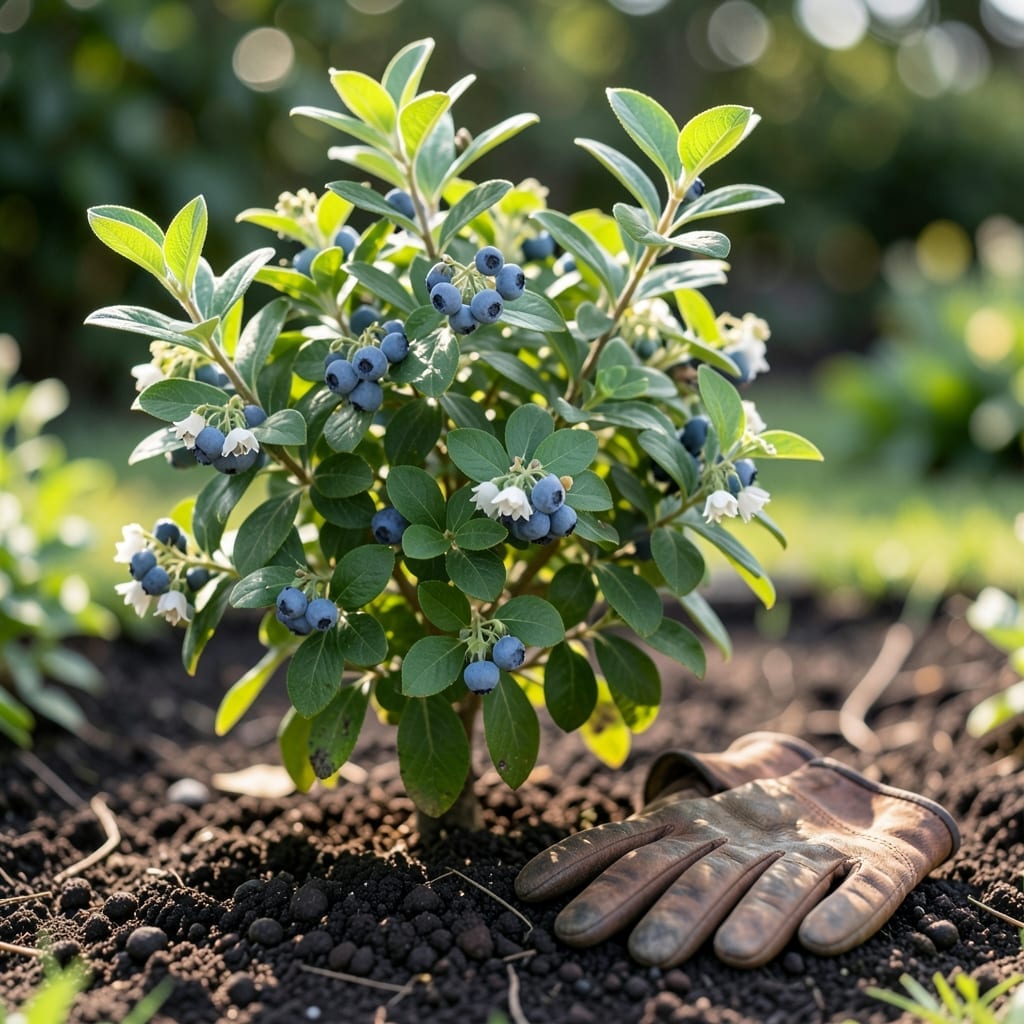
Coffee grounds benefit blueberry plants by adding acidity to soil, which these acid-loving shrubs need. They also improve drainage and add organic matter as they decompose.
I love using coffee grounds in my garden because they naturally lower soil pH, creating the perfect environment for blueberries to thrive. 🔥 The nitrogen content also gives plants a gentle nutrient boost, while the coarse texture helps prevent waterlogging around the roots. Just be sure to use them in moderation to avoid over-acidifying the soil.
💡 In This Article
Blueberries thrive in acidic soil with a pH between 4.5-5.5, and coffee grounds naturally lower soil pH as they decompose. The organic acids in coffee, like chlorogenic and quinic acid, gradually release hydrogen ions that create this acidic environment.
This mimics the natural forest floor conditions where blueberries evolved, allowing their fine root hairs to absorb iron and other nutrients more efficiently. 🔥
The nitrogen content in coffee grounds (1.5-2% by volume) provides a slow-release fertilizer that blueberries love. Unlike synthetic fertilizers that can burn roots, the nitrogen in coffee breaks down gently over 2-3 months. The grounds also contain trace minerals like magnesium and potassium that support berry development and overall plant vigor. ✨
What makes coffee grounds particularly effective is their coarse texture, which improves soil structure. This creates air pockets that prevent compaction while maintaining moisture without waterlogging. The tannins in coffee also have a mild fungicidal effect, helping protect blueberry roots from common soil-borne pathogens like Phytophthora. 💫
As coffee grounds decompose, they transform into humus—a dark, nutrient-rich organic matter that blueberry roots colonize. This humus acts like a sponge, holding up to 20 times its weight in water while providing a steady supply of nutrients. The process also encourages beneficial soil microbes that form symbiotic relationships with blueberry roots. ⚡
For best results, use fresh grounds sparingly or compost them first to avoid nitrogen burn. The ideal ratio is 1 part coffee grounds to 3 parts other compost materials. This balances the acidity while providing a complete nutrient profile that supports all stages of blueberry growth, from new shoots to fruit production. 🌟
Apply a 1/2-inch layer around the base monthly during growing season. This slow-release method prevents over-acidification while providing steady nutrients.
Use fresh grounds sparingly or compost first to avoid nitrogen burn. The ideal ratio is 1 part grounds to 3 parts compost for safe application.
Yellowing leaves between veins often signals excess acidity. If this occurs, rinse soil and pause applications for 4 weeks.
Yes! Mix 1 cup into the hole with native soil for new plantings. This gives roots immediate access to nutrients and acidity.
Composting balances acidity and provides complete nutrients. Turn the pile every 2 weeks for best results.