
Beautiful Plants For Your Interior
Beautiful Plants For Your Interior
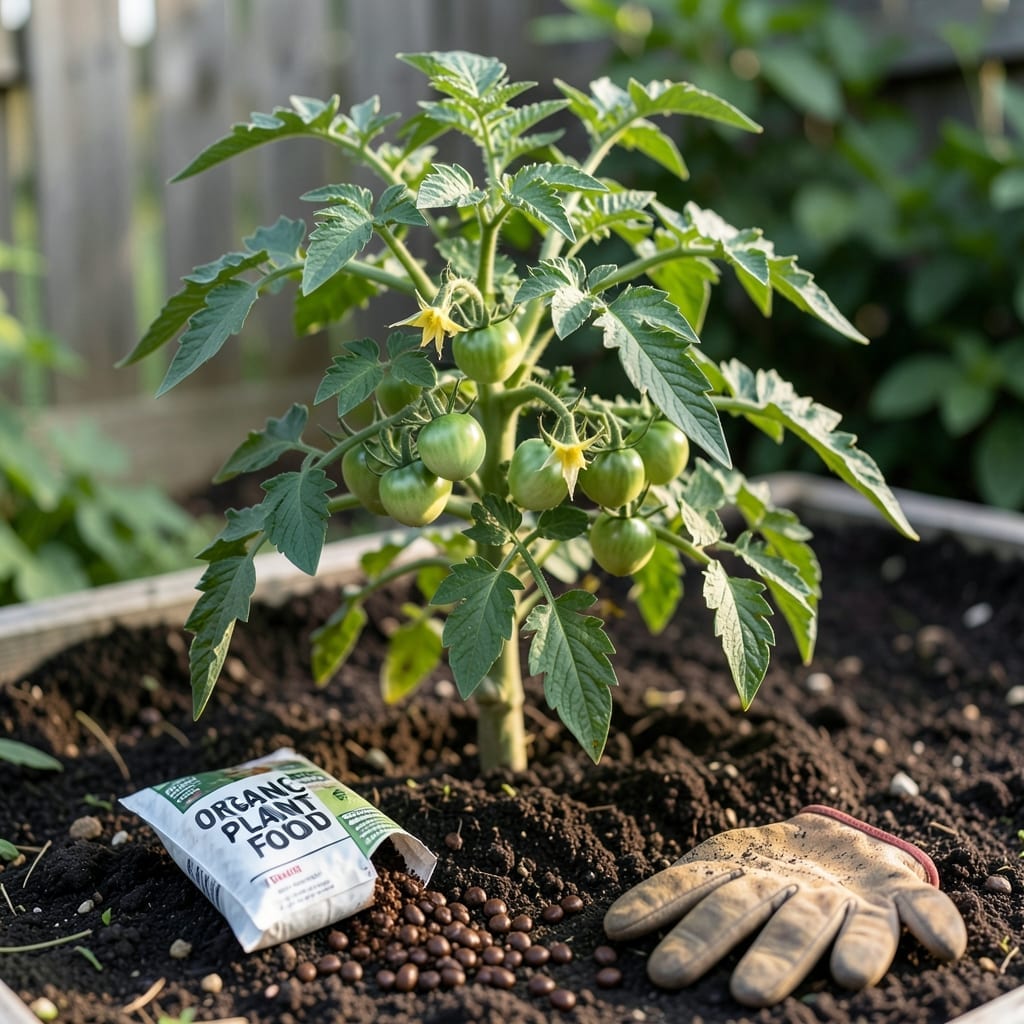
Coffee grounds contain moderate nitrogen levels, typically around 2%, making them a useful green compost material but not a high-nitrogen fertilizer on their own.
In my gardening experience, they’re better for boosting compost than direct feeding. The 2% nitrogen content helps break down brown materials, but it pales next to manure or blood meal. I’d suggest mixing them with carbon-rich materials for balanced decomposition. 🔥
This makes them ideal for acid-loving plants like blueberries when used sparingly. ✨
💡 In This Article
Used grounds typically contain 1.5-2.5% nitrogen by dry weight, which classifies them as a “medium” nitrogen source in composting terms. This range comes from the coffee beans themselves, which average 10-12% protein—and since protein is 16% nitrogen, the math checks out.
What surprises many gardeners is how brewing affects this. Cold brew grounds retain slightly more nitrogen (2.2-2.5%) because the extraction process is less aggressive than hot brewing. Meanwhile, espresso pucks can drop to 1.2-1.5% due to the intense pressure extracting more solubles. ✨
Compared to other organic materials, coffee grounds sit between grass clippings (4-6% nitrogen) and leaf mold (0.5-1%). They’re nowhere near high-nitrogen sources like chicken manure (10-12%) or blood meal (12-15%), which explains why they’re better for compost activation than direct plant feeding.
The bean type makes a subtle difference too. Arabica beans tend to have 1.8-2.2% nitrogen in their spent grounds, while Robusta often tests slightly higher at 2.0-2.4% due to its naturally higher protein content. This variation is minor but worth noting for precision gardeners. 🔥
Remember, these percentages are for dry grounds—fresh, wet grounds from your coffee maker will have lower concentrations by volume because of their moisture content (about 70-80% water). Always adjust your calculations accordingly when using them in gardening applications.
Used grounds contain 1.5-2.5% nitrogen, which is less than grass clippings (4-6%) but more than leaf mold (0.5-1%). They’re no match for chicken manure (10-12%) or blood meal.
Yes, but sparingly. Mix 1 cup of dry grounds with 1 inch of topsoil around acid-loving plants like blueberries. Avoid using on seedlings or sensitive plants.
Cold brew grounds retain more nitrogen (2.2-2.5%), while espresso pucks drop to 1.2-1.5% due to intense extraction. Arabica beans also tend to have slightly more than Robusta.
Use a 1:4 ratio of grounds to brown materials like leaves. Turn your compost pile every 3-4 days to maintain aeration and speed up decomposition.