
Beautiful Plants For Your Interior
Beautiful Plants For Your Interior
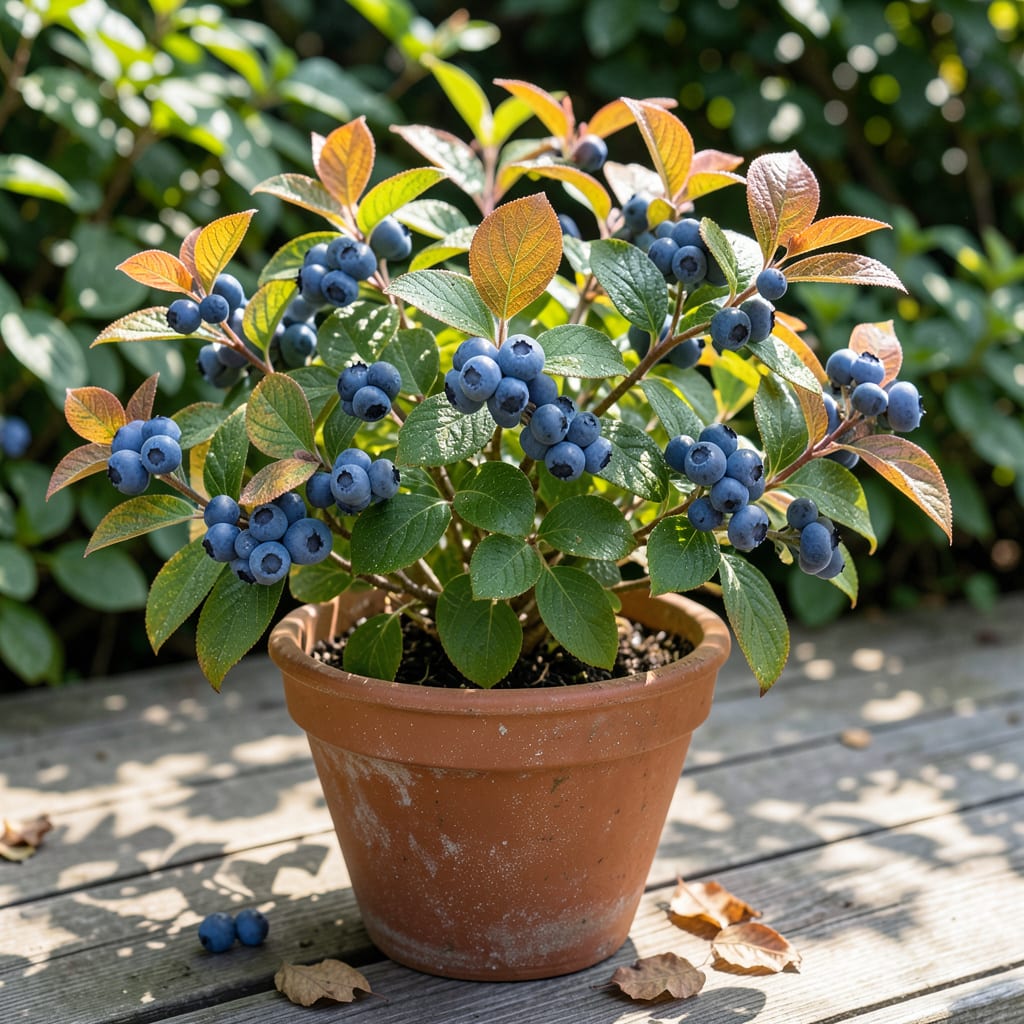
Yellow leaves on blueberry plants always signal something’s off. 🌿 I’ve seen this exact issue in my own garden, and the culprit is usually one of three things: wrong soil pH, nutrient deficiency, or watering problems.
Blueberries need acidic soil (pH 4.5-5.5) to thrive. When the pH drifts higher, iron and other nutrients become unavailable, causing leaves to yellow while veins stay green. A simple soil test reveals the issue instantly.
Nitrogen deficiency shows up differently—leaves turn pale yellow all over, not just between veins. Overwatering does the same damage as drought, creating root stress that blocks nutrient uptake.
The fix is often simpler than you think. Adjusting soil pH with sulfur or switching to an acid-loving fertilizer brings plants back to their vibrant green within weeks.
Blueberry plant leaves turning yellow often signal underlying issues that disrupt their health. Here are the most common causes, explained with actionable insights:
Yellowing leaves, or chlorosis, frequently stem from a lack of essential nutrients. Blueberries thrive in acidic soil (pH 4.0–5.5), and deficiencies in iron, nitrogen, or magnesium can trigger discoloration. Iron deficiency, for example, causes interveinal chlorosis (yellow leaves with green veins), as the plant struggles to absorb iron in alkaline soils. A soil test can confirm imbalances, and amendments like chelated iron or sulfur can restore vitality.
Excess water suffocates roots, preventing oxygen uptake and nutrient absorption. This stress manifests as yellowing leaves, often accompanied by wilting. Blueberries prefer moist but well-drained soil. If your plant sits in soggy conditions, improve drainage with organic mulch or raised beds. Ensure pots have drainage holes to avoid root rot.
Extreme temperatures, drought, or excessive sunlight can stress blueberry plants, leading to yellow foliage. High heat accelerates water loss, while cold snaps damage roots. Shield plants with shade cloth during peak sun or mulch to retain moisture. Consistent watering (1–2 inches weekly) helps mitigate stress.
Infestations like spider mites or aphids sap nutrients from leaves, causing yellowing. Fungal diseases, such as Phytophthora root rot, also disrupt health. Inspect leaves for webbing, spots, or wilting. Treat pests with neem oil or insecticidal soap, and remove infected foliage to prevent spread.
Addressing these causes promptly can revive your blueberry plant and ensure a bountiful harvest. 🌿
Yellowing leaves on your blueberry plant can usually be reversed with the right care. Below are targeted fixes for the most common causes, along with prevention tips to keep your plant thriving.
💡 Pro Tip: Avoid over-fertilizing—follow package instructions to prevent root burn.
✨ Quick Win: Prune yellow leaves to redirect energy to healthy growth—but only if >30% of the plant is affected.
Use an inexpensive soil pH test kit from any garden center. Collect samples from 4-6 inches deep around the plant, mix with distilled water, and compare the color to the chart. For best accuracy, test multiple spots.
Yes, soggy soil prevents roots from breathing. Yellow leaves often appear with wilting. Let the top 1-2 inches dry between waterings and ensure good drainage.
Choose an acid-loving plant fertilizer with a balanced ratio like 10-10-10. Organic options like fish emulsion or cottonseed meal also work well. Always follow package rates.
With proper fixes, new growth appears green within 2-3 weeks. Existing yellow leaves may not recover, but the plant will focus energy on healthy foliage.
