
Beautiful Plants For Your Interior
Beautiful Plants For Your Interior
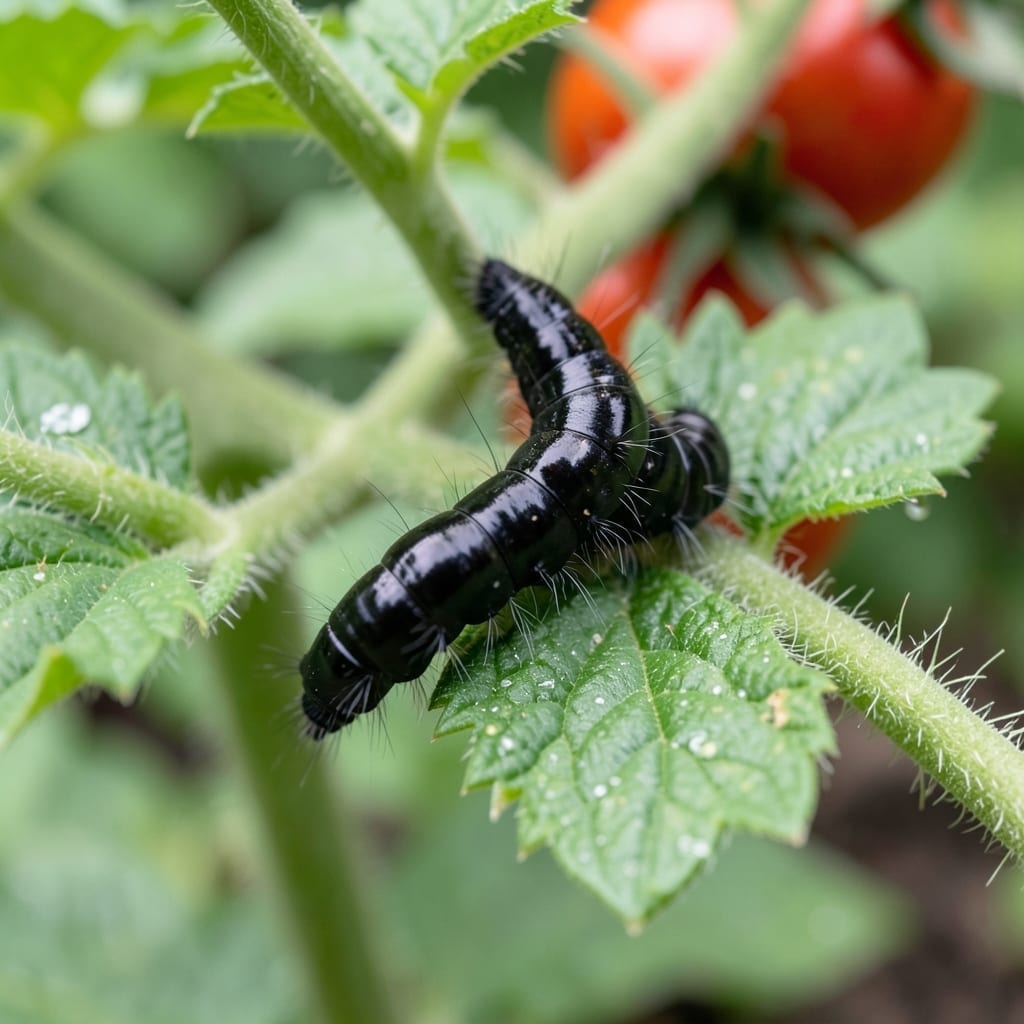
I spotted them first on the underside of a leaf—tiny black worms stripping my tomatoes bare. These aren’t just unsightly; they’re cutting yields fast by skeletonizing foliage overnight.
They’re likely hornworms, despite the color. Left unchecked, one can defoliate an entire plant in 48 hours. The damage isn’t just cosmetic; stressed plants produce fewer, smaller fruits.
Handpicking works for small infestations. Drop them in soapy water—no chemicals needed. For bigger outbreaks, organic BT spray stops them cold without harming beneficials.
Prevention starts with tilling soil in fall to expose pupae, then planting basil nearby next season. These steps break their life cycle before they even hatch.
Black worms on tomato plants are usually the larvae of hornworms or cutworms, but other pests like armyworms or loopers may also appear dark due to soil or debris. These invaders thrive under specific conditions, often tied to environmental factors or garden practices. Below are the most common causes.
Excess moisture in the soil creates an ideal breeding ground for worms. Tomato plants in waterlogged soil attract egg-laying moths (like the Hawkmoth for hornworms), as the damp environment supports larval survival. Poor drainage also weakens plant roots, making them more vulnerable to infestation.
While mulch retains moisture and suppresses weeds, thick layers of straw, grass clippings, or compost can harbor moth eggs. These eggs hatch into black or dark-colored larvae that feed on tomato foliage and fruit. Always use mulch sparingly and keep it a few inches away from plant stems.
Planting tomatoes in the same spot year after year allows pest populations to establish and multiply. Soil-borne larvae, such as those of the cutworm, overwinter in the ground and emerge to attack new tomato plants. Rotate crops with non-host plants like beans or lettuce to break the lifecycle.
Adult tomato hornworm moths or armyworm moths lay eggs directly on tomato leaves. These eggs hatch into black or green caterpillars with dark markings, which quickly defoliate plants. Regularly inspect leaves for eggs (tiny, round, and white or yellow) and remove them manually.
Black worms thrive in temperatures between 70–85°F (21–29°C) with high humidity. These conditions accelerate their growth cycle, allowing them to cause significant damage in a short time. Monitor weather forecasts and increase inspections during heatwaves or rainy seasons.
Dealing with black worms on your tomato plants can be frustrating, but these practical solutions will help you reclaim your garden. Below are targeted fixes for common causes, along with prevention tips to keep your plants healthy.
If excess moisture is attracting worms, adjust your watering schedule and ensure proper drainage. Water tomatoes at the base in the morning to allow soil to dry during the day. Add organic matter like compost to improve soil structure. Prevention tip: Use raised beds or containers if your soil retains too much water.
For visible worms, handpick them early in the morning or after rain when they’re most active. Introduce beneficial nematodes or Bacillus thuringiensis (Bt) spray to target larvae without harming plants. Prevention tip: Rotate crops annually to disrupt pest life cycles.
Worms thrive in decaying plant matter. Remove fallen leaves, weeds, and old mulch regularly. Replace with fresh, sterile mulch to suppress worm activity. Prevention tip: Avoid over-mulching—keep it 2–3 inches deep to prevent moisture buildup.
Plant worm-repelling companions like marigolds, basil, or nasturtiums near tomatoes. Their strong scents deter pests naturally. Prevention tip: Interplant with herbs to create a protective barrier.
💡 Pro Tip: Inspect plants weekly for early signs of worms—small holes in leaves or chewed stems—and act fast to prevent spread!
Yes, they can quickly defoliate plants and reduce fruit production. Even a few can strip leaves in 48 hours.
Handpick and drop them in soapy water. For larger infestations, use organic BT spray. Always check undersides of leaves thoroughly.
Rotate crops yearly, till soil in fall, and plant basil or marigolds nearby. These break their lifecycle naturally.
They can, but organic methods are safer for beneficial insects and your health. Start with natural solutions first.