
Beautiful Plants For Your Interior
Beautiful Plants For Your Interior
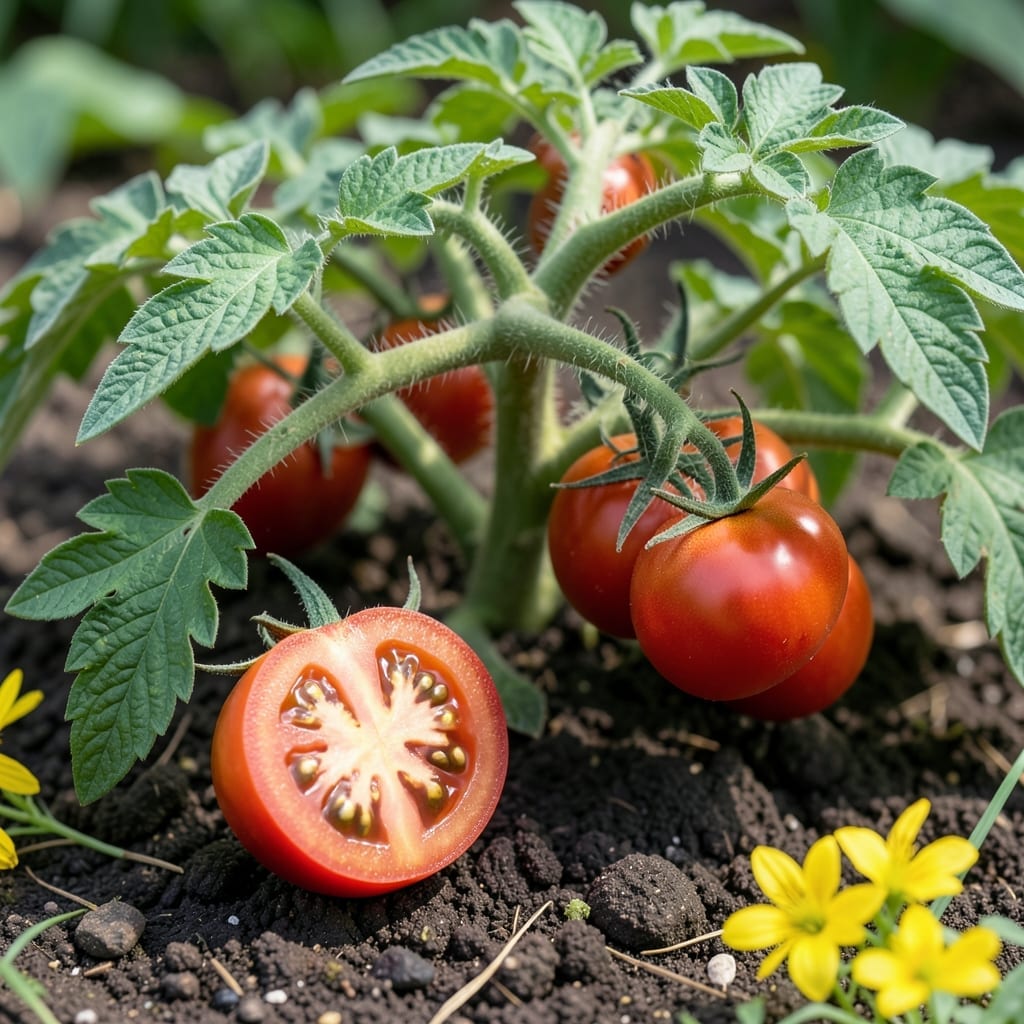
Black seeds in your tomatoes aren’t necessarily normal. I’ve seen this confuse gardeners who expect those classic tan-colored seeds we’re all used to.
This usually points to one of three issues: a fungal infection like anthracnose, pest damage from sap-sucking insects, or environmental stress during fruit development. The good news is that each has clear solutions.
You’ll want to examine the fruit carefully, check your watering routine, and look for other symptoms on the plant. Early diagnosis makes all the difference.
With the right approach, you can save this year’s crop and prevent the problem next season. Here’s how to identify and fix it.
Black seeds in tomatoes can be alarming, but they often stem from a few key biological or environmental factors. Here’s a breakdown of the most common causes:
As tomatoes ripen, their seeds naturally darken due to enzymatic browning. This occurs when polyphenol oxidase (PPO), an enzyme in the seeds, reacts with oxygen in the air. Overripe tomatoes often exhibit black seeds as a sign of advanced maturation. To prevent this, harvest tomatoes at the peak of ripeness—when they’re firm and fully colored but not soft or wrinkled.
Too much water, especially in poorly drained soil, can lead to seed rot or fungal infections like Alternaria or Phytophthora. These pathogens thrive in soggy conditions, causing seeds to blacken as they decay. Ensure your tomato plants are in well-draining soil and avoid overwatering. A good rule: water deeply but only when the top inch of soil is dry.
Insects like fruit worms or diseases such as bacterial spot can damage the internal structure of tomatoes, leading to discolored or blackened seeds. Inspect plants regularly for signs of pests (e.g., holes in leaves or fruit) and treat with organic pesticides or neem oil. Remove and destroy infected fruits to prevent spread.
Tomatoes exposed to prolonged heatwaves (above 90°F) or cold snaps (below 50°F) may develop internal stress, causing seeds to darken prematurely. Use shade cloths during peak sun or row covers in cooler weather to stabilize temperatures. Consistent conditions help seeds mature evenly without discoloration.
When you spot black seeds in your tomatoes, the fix depends on the root cause. Below are targeted solutions to common issues, along with prevention tips to keep your harvest vibrant and healthy.
If the black seeds are paired with dark, sunken spots at the fruit’s base, it’s likely blossom end rot. Calcium deficiency is the culprit.
💡 Pro tip: Test your soil pH (aim for 6.2–6.8) to ensure calcium is absorbable.
Black or moldy seeds may signal fungal diseases like alternaria or early blight, thriving in wet, crowded conditions.
Seeds naturally darken as tomatoes overripen. If the flesh is still firm, the fruit may just be past its prime.
Sap-sucking pests (like aphids) can stress plants, leading to discolored seeds. Inspect leaves for tiny bugs or sticky residue.
Addressing the issue early ensures your next tomato crop stays plump, red, and seed-perfect! 🌿
Yes, they’re generally safe if the cause is overripening or natural oxidation. Avoid eating them if mold, rot, or pest damage is present. When in doubt, compost the fruit.
Overripe tomatoes feel soft with uniformly dark seeds. Disease shows as black spots, mold, or foul odors. Check for other symptoms like leaf spots or wilting.
Only if the seeds are dark from overripening. Diseased or pest-damaged seeds may carry pathogens. For seed saving, select healthy, fully ripe fruits.
Not if you address the current issue. Rotate crops, improve drainage, and remove infected plants. Preventive measures ensure healthy future harvests.