
Beautiful Plants For Your Interior
Beautiful Plants For Your Interior
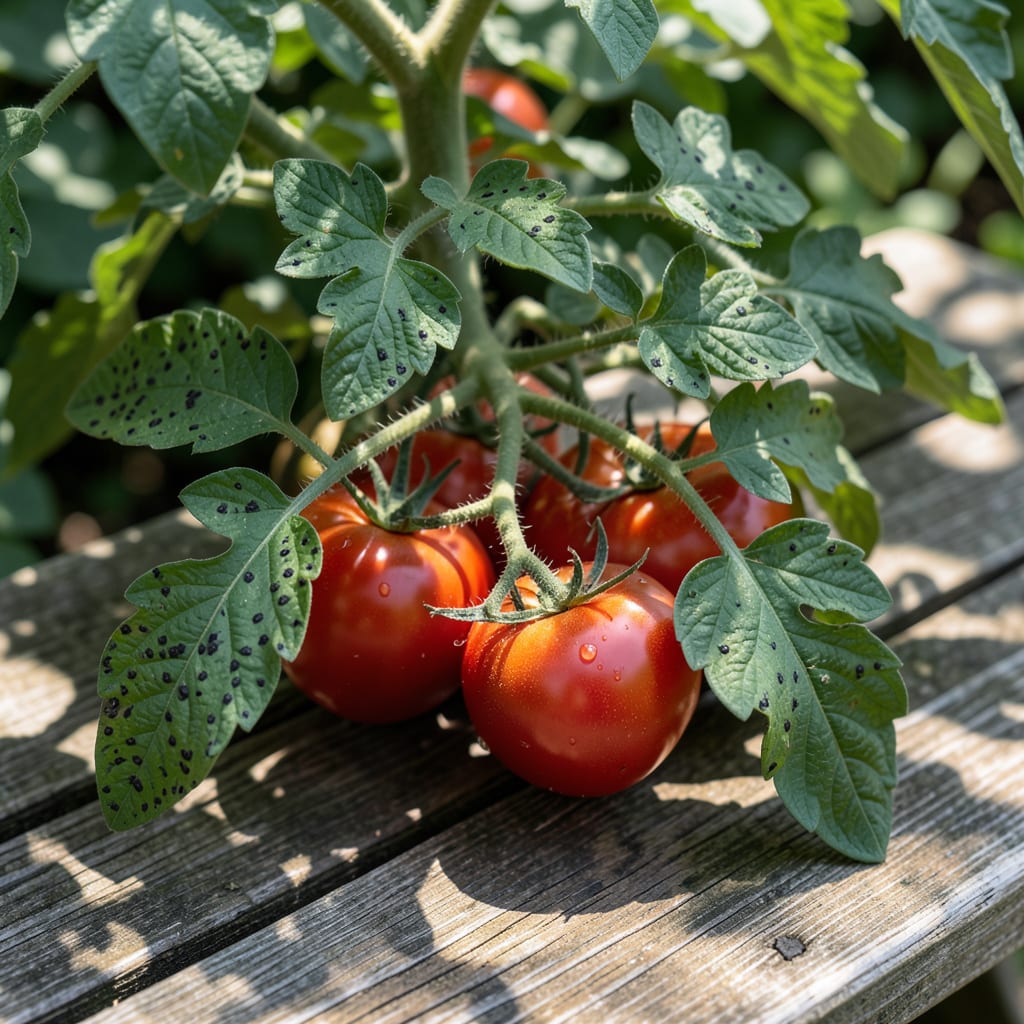
Those tiny black spots on your tomato leaves aren’t just unsightly—they’re a warning sign. I’ve seen entire crops wiped out by ignoring early symptoms like these, but catching them now means saving your plants.
Most often, it’s a fungal issue like early blight or septoria leaf spot, thriving in wet foliage and poor air circulation. The good news? These problems are fixable with the right approach and a little quick action.
You’ll need to remove affected leaves, adjust watering habits, and apply a targeted treatment. Within 7-10 days, you’ll see the spread slow and new growth stay clean.
Prevention is simpler than you think—just a few tweaks to your routine can keep this from happening again next season.
Those tiny black spots on your tomato leaves are often a red flag for underlying issues. Here’s a breakdown of the most common causes, each with a clear explanation to help you diagnose the problem.
Fungi like Alternaria solani (early blight) or Septoria lycopersici thrive in warm, wet conditions. They produce spores that land on leaves, germinate, and create dark, circular lesions. Overhead watering or poor air circulation accelerates their spread.
Bacteria such as Pseudomonas syringae enter through wounds or stomata, causing small, water-soaked spots that turn black. These often have a yellow halo. High humidity and splashing water (from rain or irrigation) help bacteria spread.
Insects like aphids or whiteflies pierce leaf tissues, creating entry points for secondary infections. Their feeding can also cause stippling or blackened spots from sooty mold, which grows on their sticky honeydew secretions.
Extreme temperature swings, nutrient deficiencies (e.g., calcium or potassium), or chemical burns from pesticides can manifest as black specks. These are often irregular and lack the concentric rings typical of fungal spots.
Addressing tiny black spots on tomato leaves starts with identifying the cause and applying the right fix. Below are targeted solutions for common culprits, paired with prevention tips to keep your plants healthy.
Remove infected leaves immediately to stop the spread. Apply a copper-based fungicide or a homemade mix of 1 tsp baking soda + 1 quart water + a few drops of dish soap. Spray every 7–10 days or after rain.
Prevention: Improve airflow by pruning dense foliage, water at the base (not overhead), and rotate crops yearly.
Blast pests off with a strong stream of water or use insecticidal soap or neem oil (mix 1 tbsp oil + 1 tsp soap + 1 quart water). Repeat every 4–5 days until gone.
Prevention: Encourage beneficial insects like ladybugs, and use reflective mulch to deter pests.
Let the soil dry slightly between waterings. If drainage is poor, amend the soil with compost or move plants to raised beds.
Prevention: Use drip irrigation and ensure pots have drainage holes. 💡 Pro tip: Stick your finger 1 inch into the soil—if it’s dry, it’s time to water.
Provide afternoon shade with a cloth or relocate potted plants. Mulch around the base to retain moisture and cool roots.
Prevention: Harden off seedlings gradually and avoid sudden exposure to intense sun.
Consistency is key—monitor plants regularly, act at the first sign of trouble, and maintain good garden hygiene to prevent recurrence.
Yes, if untreated. They often signal fungal or bacterial infections that can spread quickly, reducing yield. Early action prevents severe damage.
Yes, if the fruit itself shows no signs of disease. Wash thoroughly before eating. Remove and discard infected leaves to protect the rest.
Rotate crops, space plants for airflow, and water at the base. Remove debris after harvest to eliminate overwintering spores.
