
Beautiful Plants For Your Interior
Beautiful Plants For Your Interior
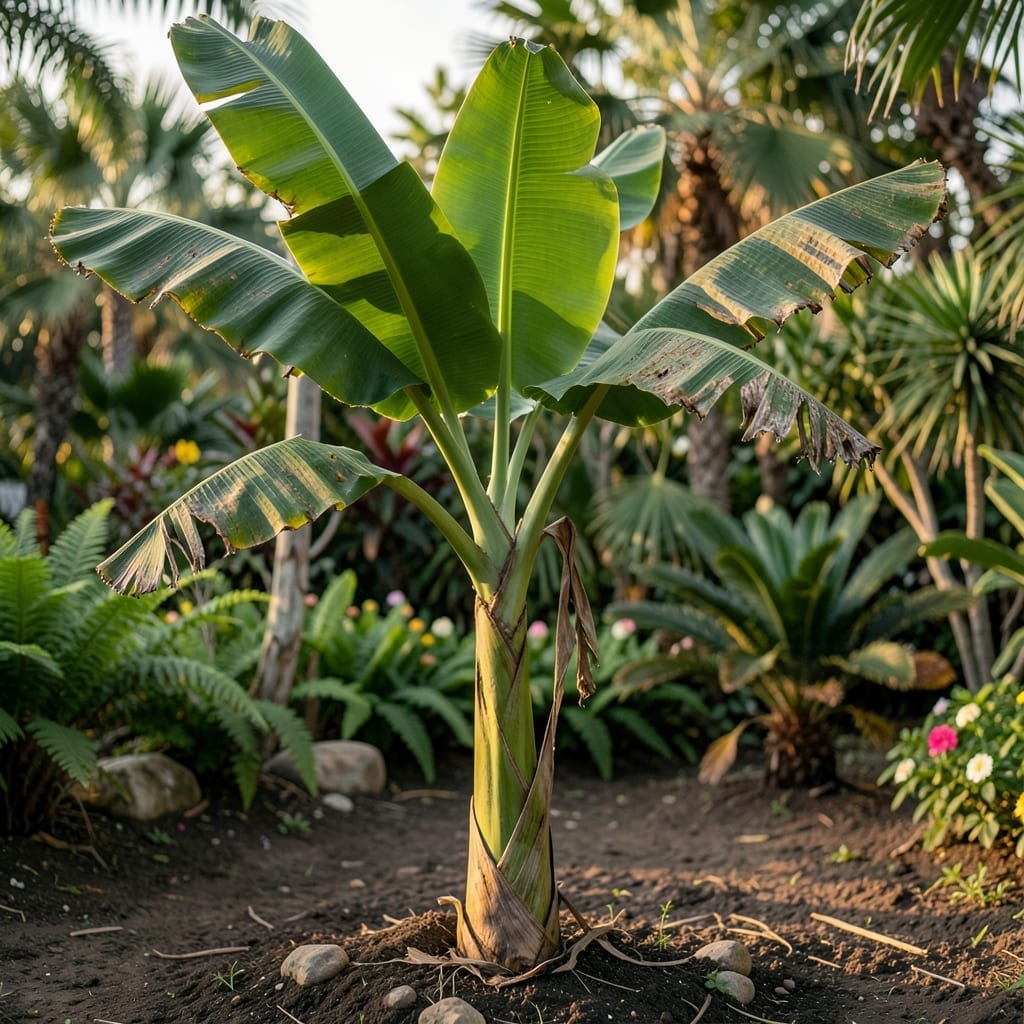
This palm brings the tropics to your backyard with minimal fuss. I’ve grown mine in partial shade with well-draining soil, and it’s thrived through heat and humidity without complaint.
Give it consistent moisture and protection from harsh wind, and you’ll get lush, dramatic fronds that make any space feel like a vacation. Even in containers, it adapts surprisingly well.
📚 In This Guide
Here’s the method I’ve refined for cultivating this tropical stunner with minimal fuss and maximum impact.
Choose a spot with partial to full shade, as direct sun can scorch the delicate foliage. Banana leaf palms thrive in areas with consistent humidity and protection from harsh winds. I’ve found that a north or east-facing location works best in most climates.
Ensure the soil is well-draining but retains moisture—think rich, loamy earth with plenty of organic matter. If planting in a container, use a large pot with drainage holes to prevent root rot. The container should be at least 18-24 inches in diameter to accommodate the plant’s eventual size.
Dig a hole twice as wide as the root ball but no deeper. Place the plant in the hole, ensuring the top of the root ball sits slightly above the soil line to prevent water pooling. Backfill with a mix of native soil and compost, gently tamp down to remove air pockets, and water thoroughly to settle the soil.
For container planting, use a high-quality potting mix amended with perlite or orchid bark for improved drainage. I always add a slow-release fertilizer to the mix to give the plant a strong start. Water deeply after planting and place the container in a shaded, humid spot.
Keep the soil consistently moist but never soggy. Water when the top inch of soil feels dry to the touch. In hotter months, this might mean watering every 2-3 days, while in cooler months, you can cut back to once a week.
Use room-temperature water to avoid shocking the roots. If you notice the tips of the leaves turning brown, it’s often a sign of underwatering or low humidity. Mist the leaves regularly or place a tray of water near the plant to increase ambient moisture.
Feed your banana leaf palm every 4-6 weeks during the growing season with a balanced, water-soluble fertilizer. I dilute the fertilizer to half-strength to prevent burning the roots. In winter, reduce feeding to every 8-10 weeks or stop altogether if growth slows.
Prune yellow or damaged fronds as they appear to keep the plant looking its best and to redirect energy to healthy growth. Use clean, sharp shears to avoid tearing the leaves. This plant is relatively low-maintenance, but regular care ensures vibrant, tropical foliage year-round.
Watch for common pests like spider mites or mealybugs, which thrive in dry conditions. If you spot any, wipe the leaves with a damp cloth or treat with neem oil. I check the undersides of leaves weekly to catch issues early.
Prevent fungal problems by ensuring good air circulation and avoiding overhead watering. If you notice black spots or wilting, it may indicate overwatering or poor drainage. Adjust your care routine accordingly and remove any affected foliage immediately.
Small adjustments in your care routine can make a world of difference for this tropical plant.
Light and Location: In Step 1, I can’t stress enough how crucial that partial to full shade is. Even a few hours of direct afternoon sun can crisp those beautiful leaves. A north-facing spot is ideal, but an east-facing location works too as long as it’s protected from harsh winds.
Watering Wisdom: The top inch of soil rule from Step 3 is your best guide. Stick your finger in the soil—if it feels dry at that depth, it’s time to water. In summer, you’ll likely water every 2-3 days, but always check first. Brown leaf tips usually mean you’re underwatering or the humidity is too low.
Soil and Drainage: For container planting in Step 2, that 18-24 inch diameter isn’t just a suggestion. A smaller pot restricts root growth and can lead to root rot if drainage isn’t perfect. Perlite or orchid bark in your potting mix is non-negotiable for keeping the soil well-draining yet moist.
Fertilizing Finesse: Diluting fertilizer to half-strength in Step 4 prevents root burn, especially for younger plants. If you notice the fronds yellowing between feedings, it might be a sign of nutrient deficiency—adjust your schedule to the shorter end of that 4-6 week range during active growth.
Plant in well-draining soil with full to partial sunlight. Water regularly but avoid waterlogging. Use a balanced fertilizer monthly for optimal growth.
Watch for fungal infections like Sigatoka or Panama wilt. Ensure good airflow, avoid overwatering, and treat with fungicides if needed.
Yes! Place near a bright window and maintain humidity. Use a large pot and rotate occasionally for even growth.
Water every 2-3 days in hot climates, reducing to weekly in cooler weather. Check soil moisture—it should be damp but not soggy.
Try dwarf varieties or grow in containers to move indoors during winter. Cold-hardy bananas like Musa basjoo can also survive milder frosts.