
Beautiful Plants For Your Interior
Beautiful Plants For Your Interior
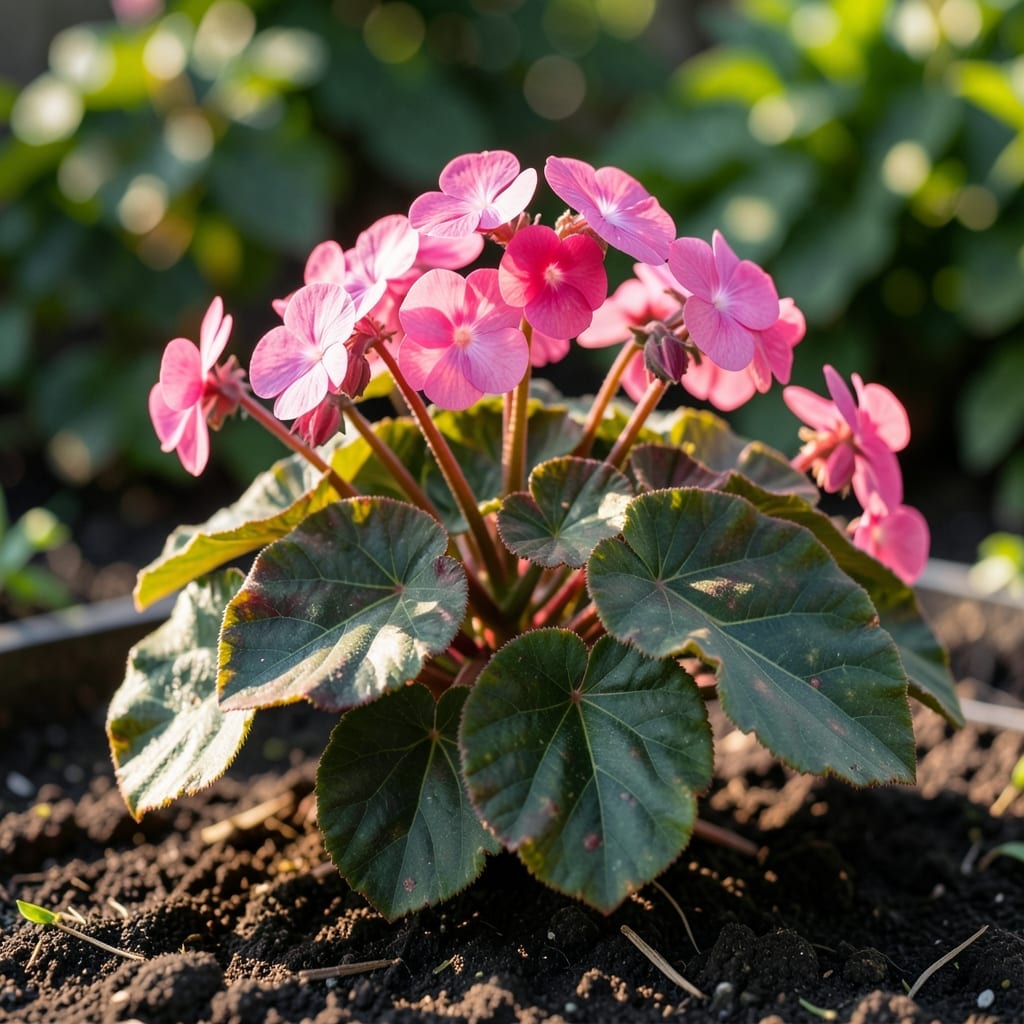
If your garden has shady corners, the vibrant 🌸 Begonia might be your perfect solution. These plants are famous for bringing life to low-light areas that other flowers struggle with.
What makes them so special? It’s their remarkable ability to thrive where sunlight is limited. Whether under trees or along north-facing walls, they’ll reward you with stunning blooms.
Discover how to transform those dim spots into colorful displays with these shade-loving beauties. Let me show you exactly how to make it happen.
 Best Window Placement
If you’ve ever wondered why begonias seem to flourish in shady spots, it’s all about their natural origins. These plants evolved in the tropical understory, where they received filtered light rather than direct sun.
This adaptation means most begonias prefer partial to full shade. Their broad, often textured leaves are perfectly designed to capture available light efficiently, even in low-light conditions. 🌿
| Requirement | Specification |
| Ideal Light | Partial to full shade |
| Direct Sun Tolerance | Low (2-4 hours max) |
| Best Conditions | Dappled shade or morning sun |
| Indoor Placement | North or east windows |
The leaf structure of begonias plays a crucial role. Many varieties have large, thin leaves that maximize light absorption. This is especially true for Rex begonias, known for their stunning foliage patterns.
Photosynthesis efficiency is another key factor. Begonias have adapted to produce energy effectively with less light. This makes them ideal for shady gardens where other plants might struggle to grow. 🪴
Different begonia types have varying shade tolerances. Tuberous begonias prefer bright, indirect light but can handle partial shade. Fibrous-rooted begonias, like wax begonias, are more shade-tolerant and do well in full shade.
For outdoor planting, I recommend placing begonias under tree canopies or along north-facing walls. These spots provide the perfect balance of light and shade that begonias love.
Indoors, an east-facing window is ideal. It provides gentle morning sun without the harsh afternoon rays that can scorch their leaves.
If you notice your begonias becoming leggy or pale, it might be a sign they’re not getting enough light. In this case, gradually move them to a brighter spot, but avoid direct, hot sunlight.
With the right conditions, your begonias will reward you with vibrant blooms and lush foliage, turning those shady spots into the most beautiful parts of your garden. 🌸
Not all begonias are created equal when it comes to shade tolerance. Some varieties absolutely thrive in low-light conditions, making them perfect for those tricky garden spots. 🌿
I’ve found that Rex begonias are superstars in full shade. Their stunning, colorful foliage patterns look amazing even without direct sunlight.
Angel Wing begonias are another excellent choice. Their unique wing-shaped leaves and cascading growth habit make them perfect for hanging baskets in shady areas.
For gardeners wanting continuous color, Dragon Wing begonias are unbeatable. These vigorous plants produce masses of red or pink flowers and handle heat better than many other shade lovers. 🌸
Tuberous begonias offer the largest, most spectacular blooms. While they prefer bright, indirect light, they’ll still perform well in partial shade with proper care.
If you’re looking for ground cover in shady beds, wax begonias are your best bet. Their compact size and glossy leaves create a neat, colorful carpet under trees or along foundations.
Remember, even shade-loving varieties need good air circulation to prevent fungal diseases. Space them properly and avoid overhead watering for the healthiest plants.