
Beautiful Plants For Your Interior
Beautiful Plants For Your Interior
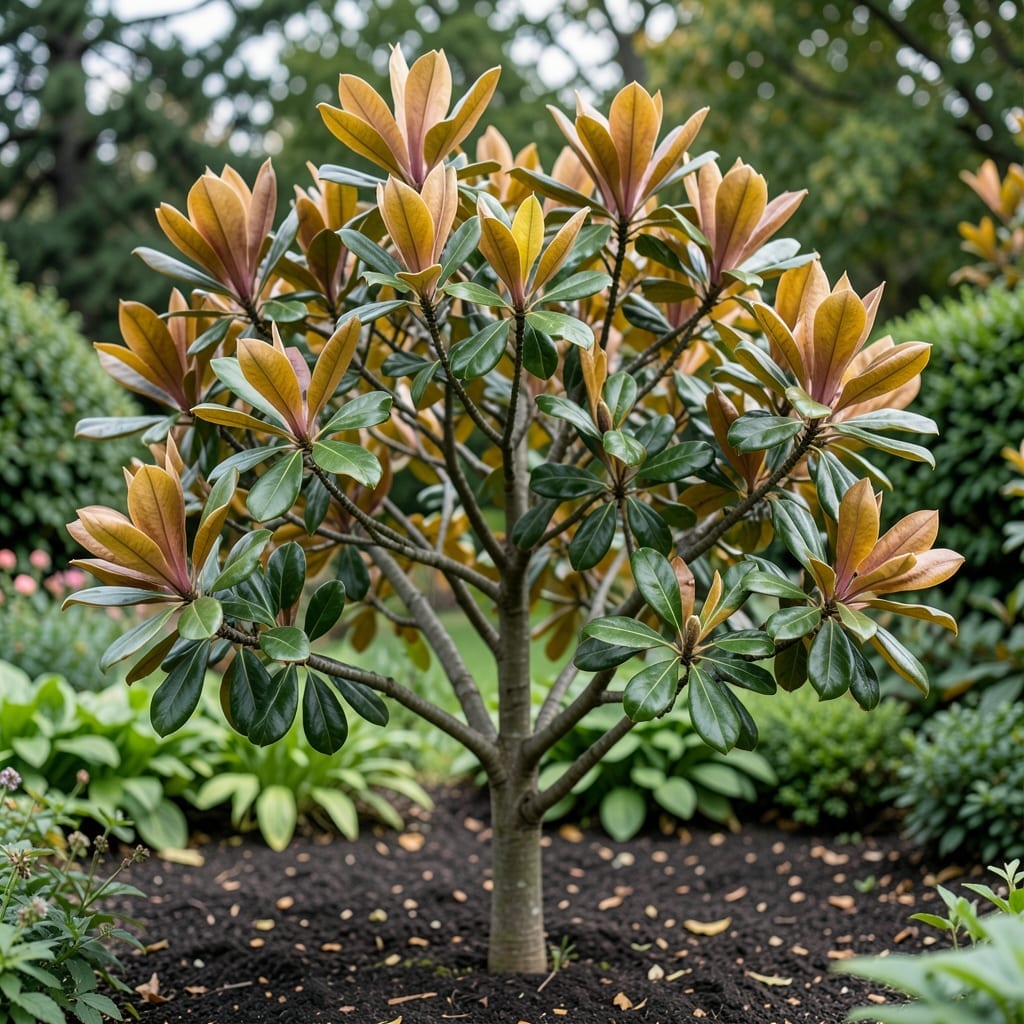
Those big, glossy leaves are the star of the show from spring through fall. I’ve watched my deciduous magnolias transform from tender green to golden bronze each autumn, and the key to keeping them healthy is understanding their seasonal rhythm.
Year-round care starts with observing their natural cycle—budding in spring, lush growth in summer, and that dramatic leaf drop in fall. With the right attention, your tree will reward you with vibrant foliage every season.
📚 In This Guide
Here’s how I manage deciduous magnolias through every season for healthy foliage and vibrant blooms.
Start by examining your magnolia’s leaves—deciduous varieties typically have large, elliptical to obovate leaves with smooth margins and a glossy, dark green surface. The undersides often appear paler and may have a slight pubescence. I always check the leaf arrangement: alternate on the stem, not whorled or opposite.
Note the size, as mature leaves can span 6-12 inches long depending on the cultivar. This helps confirm you’re working with a deciduous type like Magnolia acuminata or Magnolia stellata, rather than evergreen species. Misidentification leads to incorrect care, especially with watering and pruning schedules.
Deciduous magnolias thrive in full sun to partial shade, but their water needs shift with the seasons. In spring and summer, I ensure the soil stays consistently moist but not soggy—stick your finger 2 inches deep; if it feels dry, it’s time to water. A 2-3 inch layer of mulch helps retain moisture and regulate soil temperature.
Come autumn, taper off watering as the tree prepares for dormancy. By winter, water only during prolonged dry spells, especially if your region gets less than 1 inch of rainfall monthly. Overwatering in cold months can rot the roots before they’ve even had a chance to rest.
Prune deciduous magnolias in late winter or early spring, just before new growth starts. This timing minimizes sap flow, which can attract pests and diseases if left unchecked. I focus on removing dead, diseased, or crossing branches first—these are the most likely to harbored hidden issues that could spread to healthy foliage.
Always use clean, sharp tools and make cuts at a 45-degree angle just above a bud or branch collar. Avoid heavy pruning, as deciduous magnolias bloom on old wood—cutting back too far can sacrifice next year’s flowers and the leaves that support them.
Yellowing leaves in summer often signal chlorosis, usually from iron deficiency in alkaline soils. I treat this with a chelated iron supplement applied as a soil drench. If you notice brown spots or curling edges, check for fungal diseases like leaf spot—remove affected leaves immediately and avoid overhead watering.
Pests like magnolia scale or aphids can also stress leaves, leaving them stunted or sticky with honeydew. A dormant oil spray in early spring smothers overwintering pests before they can damage new growth. Regularly inspect the undersides of leaves, where many invaders prefer to hide.
In colder climates (USDA zones 4-6), apply a 3-4 inch layer of organic mulch around the base after the first hard frost. This insulates roots and prevents soil heaving, which can damage the root system that supports leaf production. Avoid piling mulch against the trunk—it traps moisture and invites rot.
For young trees, I wrap the trunk with burlap or tree guard to prevent sunscald and rodent damage. Even without leaves, the tree is still vulnerable to winter stress, and protecting it now ensures vigorous foliage when spring arrives.
Small adjustments in your approach make a world of difference in maintaining vibrant foliage year-round.
Identification Accuracy: In Step 1, pay close attention to the leaf size—those 6-12 inches are a key identifier for deciduous magnolias. I once misidentified a tree because I overlooked this detail, leading to incorrect pruning timing that stunted its growth for a season.
Watering Precision: The 2-inch finger test in Step 2 is non-negotiable. I learned the hard way that guessing moisture levels results in either drought-stressed leaves or root rot. Also, that 2-3 inch mulch layer isn’t just for moisture—it keeps soil temperature stable, which deciduous magnolias love.
Pruning Timing: Step 3’s advice about pruning in late winter or early spring exists for a reason. I tried pruning in fall once, and the sap flow attracted pests that damaged the new growth the following spring. Always make those 45-degree angle cuts—it prevents water pooling that can lead to disease.
Winter Protection: For Step 5, that 3-4 inch mulch layer after the first hard frost is your tree’s winter coat. I skipped the burlap wrap on a young tree one winter, and the sunscald damage set its growth back by two years. In zones 4-6, this protection isn’t optional—it’s essential.
Yellowing and leaf drop in deciduous magnolias often signal natural seasonal changes or stress from overwatering, poor drainage, or nutrient deficiencies. In fall, it’s normal; otherwise, check soil conditions and adjust care.
Most deciduous magnolias, like Magnolia acuminata or Magnolia stellata, shed leaves in late fall to early winter. However, some may drop sporadically in summer if stressed by drought or disease.
Yes! Evergreen magnolias, such as Magnolia grandiflora, retain glossy leaves all year, providing consistent greenery. They’re a great choice if you want low-maintenance, non-shedding alternatives.
Brown spots often indicate fungal infections like leaf spot. Remove affected leaves, improve air circulation, and apply a fungicide. Avoid overhead watering to prevent recurrence.
Yes, deciduous magnolias typically shed all leaves in winter as part of their natural cycle. New foliage emerges in spring, so don’t be alarmed—it’s a sign of a healthy, seasonal process!