
Beautiful Plants For Your Interior
Beautiful Plants For Your Interior
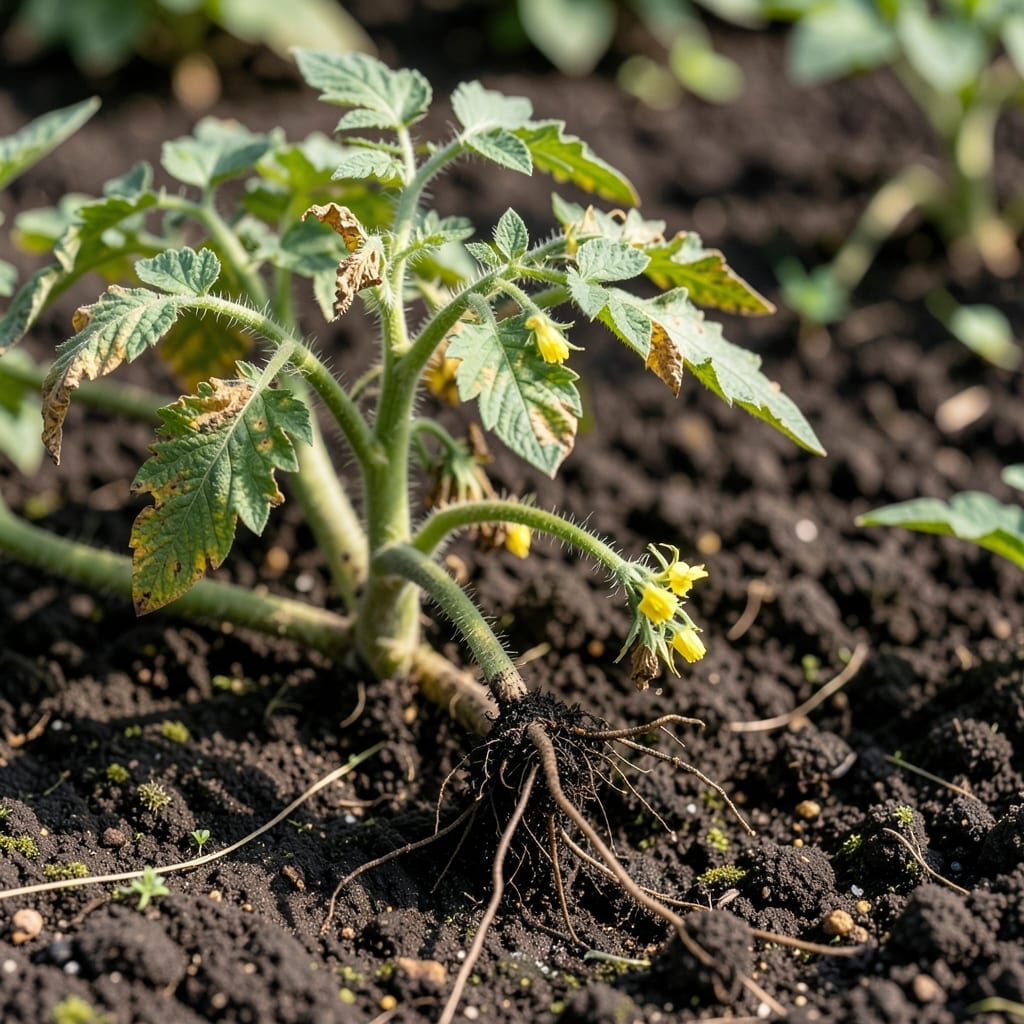
Spotted wilting tomato leaves that don’t perk up after watering? I’ve been there—root rot sneaks in silently, turning healthy plants into droopy messes overnight.
It starts with overwatering or poor drainage, then the roots turn brown and mushy. Caught early, you can save the plant. Left too long, you’re pulling up blackened stems by mid-season.
This guide shows you how to spot the first warnings before the damage spreads. You’ll learn the difference between thirsty plants and rotten roots—it’s easier than you think.
No fancy equipment needed, just sharp eyes and quick action. Let’s get your tomatoes back on track.
Root rot in tomato plants doesn’t appear out of nowhere—it’s the result of specific environmental and biological factors. Understanding these causes is the first step in prevention.
Excess moisture is the #1 cause of root rot. When soil stays soggy, oxygen is pushed out, and anaerobic conditions set in. Tomatoes thrive in well-draining soil, but Phytophthora and Pythium fungi (common root rot pathogens) flourish in waterlogged roots. Clay-heavy or compacted soil worsens this by trapping water. Even consistent light overwatering can stress roots over time.
Tomatoes prefer soil temps above 60°F (15°C). Cooler soils slow root metabolism, making plants more susceptible to fungal invasion. Early spring plantings or late-season crops in temperate climates are especially at risk. Pathogens like Fusarium and Rhizoctonia thrive in these chilly, damp conditions.
Root rot pathogens can lurk in reused potting mix, garden soil, or unsterilized tools. If you’ve had root rot before, spores may remain dormant in the soil for years. Shared gardening tools, trays, or even transplanted seedlings from infected nurseries can introduce the disease to healthy plants.
Tight plant spacing restricts airflow around the base and soil surface, trapping humidity. This creates a microclimate perfect for fungal growth. Densely planted tomatoes also compete for water and nutrients, weakening their natural defenses. Prune lower leaves and space plants 18–24 inches apart to improve ventilation.
Root rot in tomatoes can feel overwhelming, but these practical fixes will help you save your plants and restore their health. Address the issue early for the best results!
If soggy soil is the culprit, stop watering immediately and let the top 2 inches of soil dry out. Water only when the soil feels dry to the touch. Use a moisture meter for precision! Switch to drip irrigation to avoid wetting the foliage and roots excessively.
For fungal root rot, apply copper-based fungicides or a neem oil solution (1 tbsp neem oil + 1 tsp dish soap per gallon of water). Spray at the base of the plant every 5–7 days until symptoms improve. For bacterial issues, remove infected plants to prevent spread and sterilize tools with rubbing alcohol.
Amend heavy or clay soil with compost, perlite, or coarse sand to boost drainage. If planting in containers, ensure pots have drainage holes and use a well-draining potting mix. Raised beds are a great long-term solution for garden soil that stays too wet.
Over-fertilizing can stress plants and encourage rot. Switch to a balanced, organic fertilizer (like 5-5-5) and follow package instructions carefully. Avoid high-nitrogen feeds, which can promote leafy growth at the expense of root health.
💡 Prevention Tips:
Look for wilting that doesn’t improve after watering, yellowing lower leaves, or stunted growth. Gently dig around the base to check for brown, mushy roots instead of healthy white ones.
No, it’s risky. Pathogens can survive in soil for years. Either replace the soil or solarize it by covering with clear plastic for 4-6 weeks to kill offenders.
A 3% hydrogen peroxide solution (1 part peroxide to 10 parts water) can help oxygenate roots and fight fungi. Water plants with this mix once a week until they recover.
Pots without drainage holes trap water at the bottom. Always use containers with holes and elevate them to allow excess water to escape.