
Beautiful Plants For Your Interior
Beautiful Plants For Your Interior
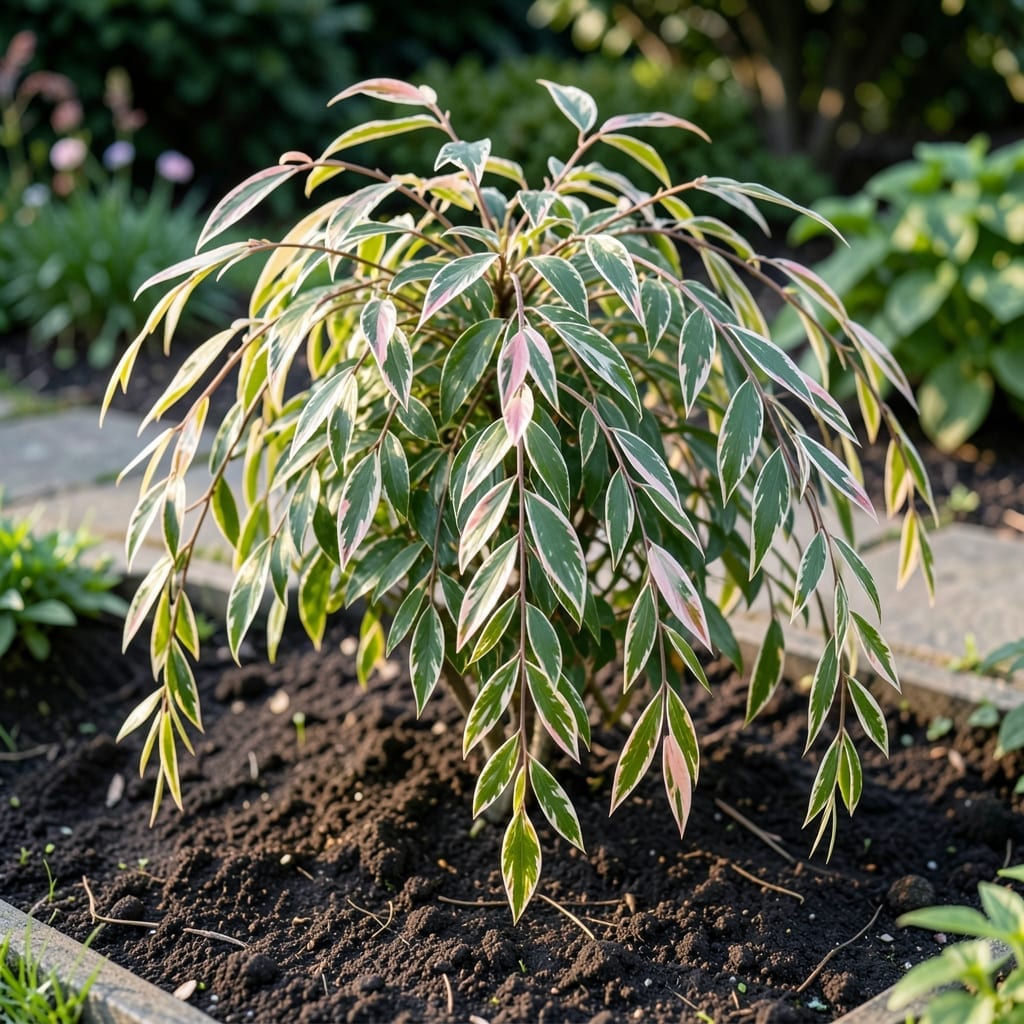
There’s something magical about watching dappled willow leaves emerge each spring. Pink-tipped new growth unfolds into creamy white and green foliage that catches the light like stained glass.
I planted my first one three years ago, and it’s become the focal point of my garden. The key is giving it enough space—this shrub wants to spread—and keeping the soil consistently moist but not soggy.
📚 In This Guide
This method brings out the vibrant, variegated colors that make this shrub a garden standout.
Select a spot with full sun to partial shade—dappled willow thrives in 6+ hours of sunlight but tolerates light afternoon shade, especially in hotter climates. The variegated leaves show their best color in bright, indirect light, so avoid deep shade where the foliage may turn dull green.
Ensure the soil is consistently moist but well-draining. I like to test the spot by digging a 1-foot hole and filling it with water—if it drains within 2-3 hours, you’ve found a good location. This shrub hates soggy roots, so avoid low-lying areas where water pools.
Dig a hole twice as wide as the root ball but no deeper. Loosen the roots gently if they’re circling the container, then place the shrub in the hole so the top of the root ball sits 1 inch above the surrounding soil—this prevents settling that can suffocate the base.
Backfill with native soil, firming it lightly as you go to eliminate air pockets. Water deeply immediately after planting, using 5-10 gallons for a standard shrub. You’ll see the soil settle slightly—add more if needed to maintain that slight mound. Mulch with 2-3 inches of organic matter to retain moisture.
Keep the soil evenly moist during the first growing season, watering when the top inch feels dry to the touch. After establishment, dappled willow becomes moderately drought-tolerant but produces the most vibrant leaves with regular water. I check mine every 3-4 days during dry spells.
Fertilize in early spring with a balanced, slow-release product. Follow package instructions, but I typically use about 1 cup per shrub, scattering it around the drip line and watering it in. Avoid high-nitrogen fertilizers—they promote leafy growth but can reduce the striking variegation you’re after.
Prune in late winter or early spring before new growth starts. Remove any dead, damaged, or crossing branches first. Then shape the shrub by cutting back up to one-third of the oldest stems to the ground—this encourages vigorous new growth with the most intense variegation.
Thin out crowded areas to improve air circulation, which reduces disease risk. I like to step back frequently while pruning to check the shape. The new growth will emerge with that beautiful pink, white, and green coloration within 4-6 weeks.
The variegated leaves are most vibrant during the growing season, typically from spring through early fall. If you notice the foliage looking less colorful, it might need more sunlight. Gradually expose it to brighter conditions over 7-10 days to avoid scorching the leaves.
Watch for signs of stress like leaf browning or premature leaf drop, which often indicate inconsistent watering. Adjust your care routine accordingly—this shrub is forgiving, and with the right attention, it will reward you with stunning, dappled foliage year after year.
These practical insights will help you avoid common pitfalls and achieve the most vibrant foliage.
Site Selection: In Step 1, remember that the 6+ hours of sunlight requirement is non-negotiable for those stunning variegated colors. I learned this the hard way when a shady corner turned my first shrub’s leaves a dull green. Bright, indirect light brings out the best pink, white, and green patterns.
Soil Test: That 2-3 hour drainage test from Step 1 is your best insurance against root rot. Dig that 1-foot hole, fill it with water, and time it precisely. If water lingers beyond 3 hours, find another spot—soggy roots will kill your willow faster than drought.
Planting Depth: Step 2’s instruction to position the root ball 1 inch above soil level is critical. This prevents settling that can suffocate the base. I’ve seen many gardeners make the mistake of planting too deep, which leads to poor growth and even plant death.
Pruning Timing: For Step 4, remember that new growth with the most intense variegation emerges within 4-6 weeks after pruning. This timing is perfect for achieving that stunning color display you’re after, so don’t prune too late in the season.
Spotted or discolored leaves often indicate fungal diseases like leaf spot. Improve air circulation, avoid overhead watering, and remove affected leaves to prevent spread.
Prune in late winter or early spring before new growth starts. This encourages vibrant foliage and maintains the plant’s shape.
Yes! Consider variegated dogwood, Japanese maple, or ninebark for similar ornamental appeal with less maintenance.
Apply a fungicide or a baking soda solution (1 tsp per quart of water). Ensure good airflow and avoid wet foliage to prevent recurrence.
It thrives in partial shade but may lose vibrancy in full shade. For best color, provide at least 4-6 hours of sunlight daily.