
Beautiful Plants For Your Interior
Beautiful Plants For Your Interior
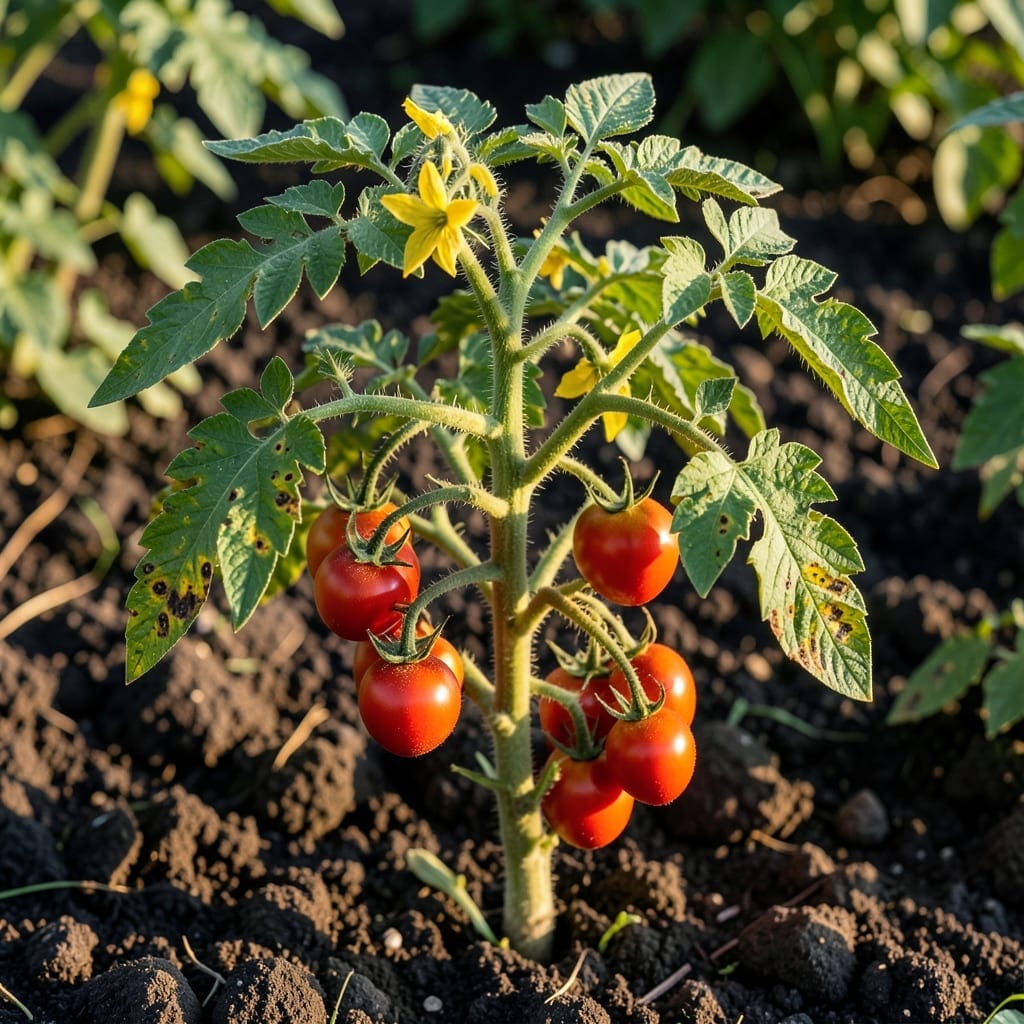
Tiny brown spots on your tomato leaves? That’s bacterial speck, and I’ve battled it more times than I’d like to admit. Early detection is everything—left unchecked, it spreads fast and slashes yields.
It thrives in wet, cool conditions, so crowded plants or overhead watering practically roll out the welcome mat. I learned the hard way that prevention beats cure every time. Air circulation and dry foliage are your best defenses.
The good news? This isn’t a death sentence. Organic treatments like copper sprays and resistant varieties can turn the tide. I’ve saved entire crops with a 3-step approach that’s simple but effective.
Works for heirlooms, cherries, and beefsteaks alike. Here’s how to spot it, stop it, and keep it from coming back.
The development of bacterial speck in tomatoes is primarily driven by the pathogen Pseudomonas syringae pv. tomato. This bacterium thrives under specific environmental and cultural conditions, making understanding its triggers key to prevention. Below are the most common causes, explained with actionable insights.
The bacterium spreads rapidly in wet environments. Rain, overhead irrigation, or high humidity (above 85%) create ideal conditions for P. syringae to multiply and infect plants. Water droplets on leaves facilitate bacterial entry through natural openings or wounds. Action: Use drip irrigation to keep foliage dry and improve air circulation around plants.
Bacterial speck thrives in cooler temperatures, particularly between 50–75°F (10–24°C). Unlike many other plant diseases that prefer heat, this pathogen is most aggressive during mild spring or fall weather. Action: Plant tomatoes after the last frost when temperatures are consistently warmer, or use row covers to retain heat.
The bacterium can survive on infected seeds, plant debris, or even gardening tools. Using contaminated seed is a common way to introduce the disease to a new crop. Action: Always source certified disease-free seeds and sanitize tools with a 10% bleach solution or rubbing alcohol between uses.
Dense planting or lack of pruning leads to stagnant air, which prolongs leaf wetness—a perfect scenario for bacterial growth. Action: Space tomato plants at least 18–24 inches apart and prune excess foliage to improve airflow.
Injuries from hail, wind, or human activity (e.g., pruning, transplanting) create entry points for the bacterium. Even minor wounds can allow P. syringae to invade. Action: Handle plants gently, especially when wet, and avoid working in the garden during rainy conditions.
Bacterial speck can quickly spread and damage your tomato plants, but these targeted solutions will help you regain control. Address the issue at its root with practical fixes for each cause.
If seedlings show dark spots or yellowing, remove and destroy them immediately to prevent further contamination. Replace with certified disease-free seeds or seedlings. Sterilize trays and tools with a 10% bleach solution before reuse. Prevention tip: 💡 Start seeds in clean, fresh potting mix to avoid early infections.
Wet foliage spreads bacteria fast. Water at the base of plants using drip irrigation or soaker hoses to keep leaves dry. If hand-watering, do it early in the day so leaves dry quickly. Prevention tip: 🌡️ Mulch around plants to reduce soil splashing onto leaves during rain or watering.
Crowded plants trap moisture, creating a breeding ground for bacteria. Prune lower leaves to improve airflow, and ensure plants are spaced 2–3 feet apart. Remove any weeds competing for space. Prevention tip: ✨ Stake or trellis tomatoes to elevate foliage and enhance ventilation.
Use copper-based bactericides (like copper sulfate) as a protective measure, especially during wet seasons. Apply every 7–10 days or after rain, following label instructions. Prevention tip: 🎯 Rotate tomato crops yearly and avoid planting in the same spot to disrupt bacterial cycles.
Bacteria can linger on pruners, stakes, and even your hands. Clean tools with rubbing alcohol (70% isopropyl) between uses. Wash hands before and after handling plants. Prevention tip: 🔥 Disinfect stakes and cages at the end of each season to start fresh next year.
Look for small, dark brown or black spots with yellow halos on leaves. These often appear first on lower leaves and can spread upward.
Yes, but act fast. Remove affected leaves and apply copper-based sprays immediately. Severely infected plants should be pulled to prevent spreading.
Rotate crops, use disease-free seeds, and space plants 2–3 feet apart. Always water at the base and sanitize tools regularly.