
Beautiful Plants For Your Interior
Beautiful Plants For Your Interior
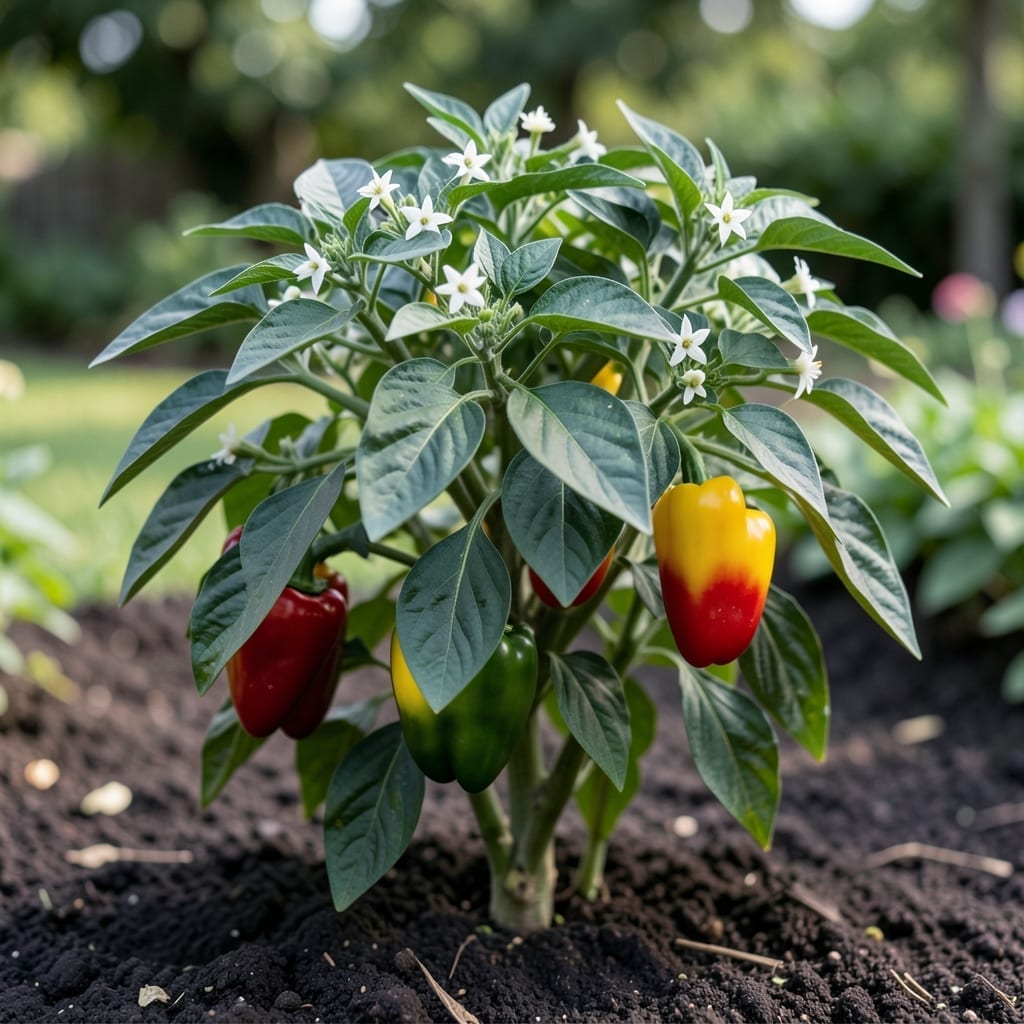
Yes, most pepper plant leaves are edible and often used in cooking, but some varieties may be bitter or contain mild toxins. Always verify the specific type before consuming.
I’ve discovered that bell pepper leaves, for example, are commonly used in Southeast Asian dishes, adding a mild, earthy note to soups and stir-fries. Toxicity concerns arise with ornamental peppers, which may contain solanine in higher concentrations. This natural compound can cause stomach upset if consumed in large amounts. 🔥
💡 In This Article
The key difference lies in the plant’s purpose. Culinary peppers like bell peppers (Capsicum annuum) have leaves with minimal solanine, typically under 0.1% by weight. This makes them safe for consumption in normal food quantities. The solanine concentration remains low because these varieties were selectively bred for edible fruit and foliage.
Ornamental peppers, however, were developed for their colorful fruits and visual appeal, not consumption. Their leaves can contain solanine levels 5-10 times higher than culinary varieties. This natural glycoalkaloid acts as a defense mechanism against pests. Ingesting just 2-5 grams of these leaves could potentially cause nausea or vomiting in sensitive individuals.
Scientifically, solanine production increases with stress. Plants grown in poor soil or extreme temperatures may develop higher concentrations. This is why even safe varieties should be sourced from healthy, well-maintained plants. The compound is also more concentrated in green leaves than mature ones, making younger foliage riskier to consume. 🔥
Another factor is the pepper species itself. While Capsicum annuum leaves are generally safe, other nightshade family members like black pepper (Piper nigrum) have different compounds entirely. Black pepper leaves contain piperine, which gives them a pungent, peppery flavor but can be harsh when consumed in large amounts.
For absolute safety, I recommend sticking to leaves from known culinary varieties. Bell pepper, jalapeño, and banana pepper plants are excellent choices. Always taste a small piece first—if it’s extremely bitter, it’s best to avoid using more in your cooking. ✨
No, only leaves from culinary varieties like bell or jalapeño peppers are safe. Ornamental types may contain higher solanine levels, which can cause stomach upset. Always verify the plant type first.
They have a mild, earthy flavor similar to the pepper itself but less intense. Some describe it as slightly grassy with a subtle sweetness. The taste varies by variety and plant maturity.
Rinse thoroughly, then use fresh for best flavor. For tender results, blanch in boiling water for 30-60 seconds. Remove tough stems before adding to dishes.
Raw leaves from safe varieties pose minimal risk, but may taste bitter. Avoid raw consumption if you’re sensitive to solanine or unsure about the plant type. Always start with a small amount.