
Beautiful Plants For Your Interior
Beautiful Plants For Your Interior
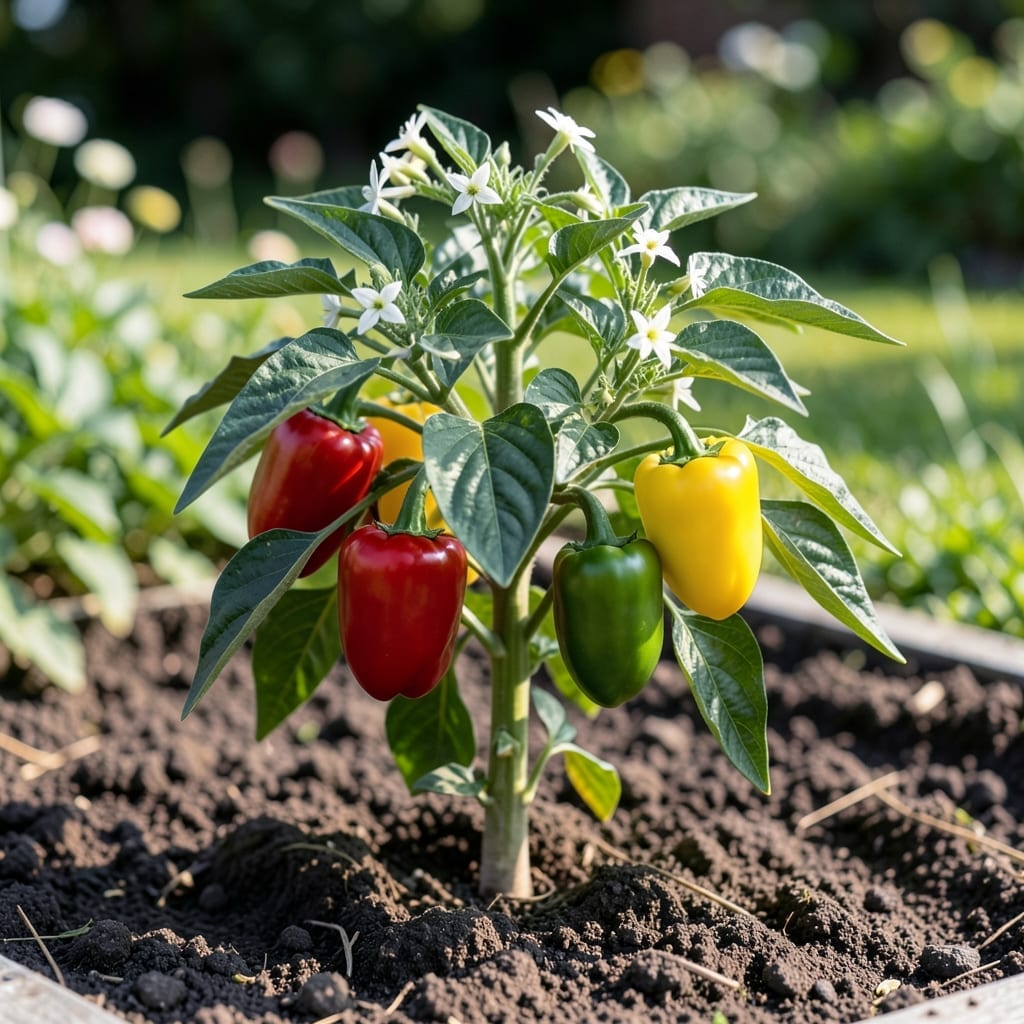
Ever planted Bell Pepper seeds only to wait forever for fruit? That frustration ends today. Knowing the exact timeline from seedling to harvest is the key to a successful growing season.
Different Bell Pepper varieties have wildly different maturity periods, ranging from 60 to 90 days. This variation can make or break your garden plans if you’re not prepared.
I’ve learned through experience that timing is everything with these warm-season plants. Whether you’re in zone 6 or a warmer climate, getting your schedule right means the difference between a bumper crop and disappointment.
Let me walk you through what affects these timelines and how to optimize your planting schedule. Your future self will thank you when you’re harvesting vibrant peppers all season long.
If you’re planning your bell pepper garden, knowing the days to maturity for each variety is essential. Early varieties like Early Cal Wonder can produce peppers in as few as 60 days, while others need a full 90 days or more.
Mid-season varieties such as California Wonder typically take 70-80 days, making them a popular choice for most gardeners. Late-season types, like Jupiter, may require 85-90 days but often yield larger, sweeter peppers.
🌱 Bell Pepper Varieties Summary
| Variety | Days to Maturity | Notes |
|---|---|---|
| Early Cal Wonder | 60-65 | Early producer, compact plants |
| California Wonder | 70-80 | Classic mid-season, reliable |
| Jupiter | 85-90 | Large, sweet late-season |
| Ace | 65-70 | Disease-resistant, early |
I always recommend checking the seed packet for exact days, as even within a variety, there can be slight differences. Climate conditions also play a big role—cooler temps can slow growth, while consistent warmth speeds it up.
For gardeners in shorter growing seasons, choosing early-maturing varieties is a smart move. Varieties like Ace or Early Cal Wonder are perfect for areas with fewer frost-free days. They’ll still give you a great harvest without the long wait.
If you’re in a warmer climate, you have more flexibility. You can experiment with mid or late-season varieties like Jupiter or King Arthur, which take longer but often produce larger, sweeter peppers that are well worth the wait.
Don’t forget that starting seeds indoors can give you a head start. I usually begin mine 8-10 weeks before the last frost date. This way, by the time the soil warms up, my seedlings are ready to transplant and can reach maturity faster.
Another tip: container gardening can help control conditions for faster growth. Peppers in pots can be moved to sunnier spots or sheltered during unexpected cold snaps, which keeps them on track for their days to maturity.
Remember, the days to maturity count starts from the time of transplanting, not from when you sow the seeds. This is a common mistake I see new gardeners make, and it can throw off your entire planting schedule.
Finally, keep in mind that pepper plants need consistent care to hit their maturity targets. Regular watering, fertilizing, and pest control will ensure your plants grow steadily and produce peppers right on schedule. ☀️
Understanding the days to maturity for bell peppers isn’t just about counting calendar days. I’ve found that temperature plays a huge role—peppers thrive in 70-80°F soil and struggle below 55°F. Even a few chilly nights can set them back.
Another critical factor is sunlight exposure. My peppers always mature faster with 6-8 hours of direct sun daily. Less light means slower growth and longer wait times for those vibrant, firm fruits.
I always start my bell pepper seeds indoors about 8-10 weeks before the last frost. This head start helps them reach maturity faster once transplanted. Direct sowing often adds 2-3 weeks to the timeline.
Watering practices matter too. I water deeply every 5-7 days, ensuring the soil stays consistently moist. Overwatering or drought stress can delay maturity significantly.
Don’t overlook soil temperature. I use black plastic mulch to warm the soil faster in spring. This simple trick can shave 7-10 days off your wait time in cooler climates.
Finally, variety selection is key. If you’re in a short-season area, choose early-maturing types like Early Cal Wonder (60 days) rather than longer-season varieties. This one change can make all the difference.
☀️