
Beautiful Plants For Your Interior
Beautiful Plants For Your Interior
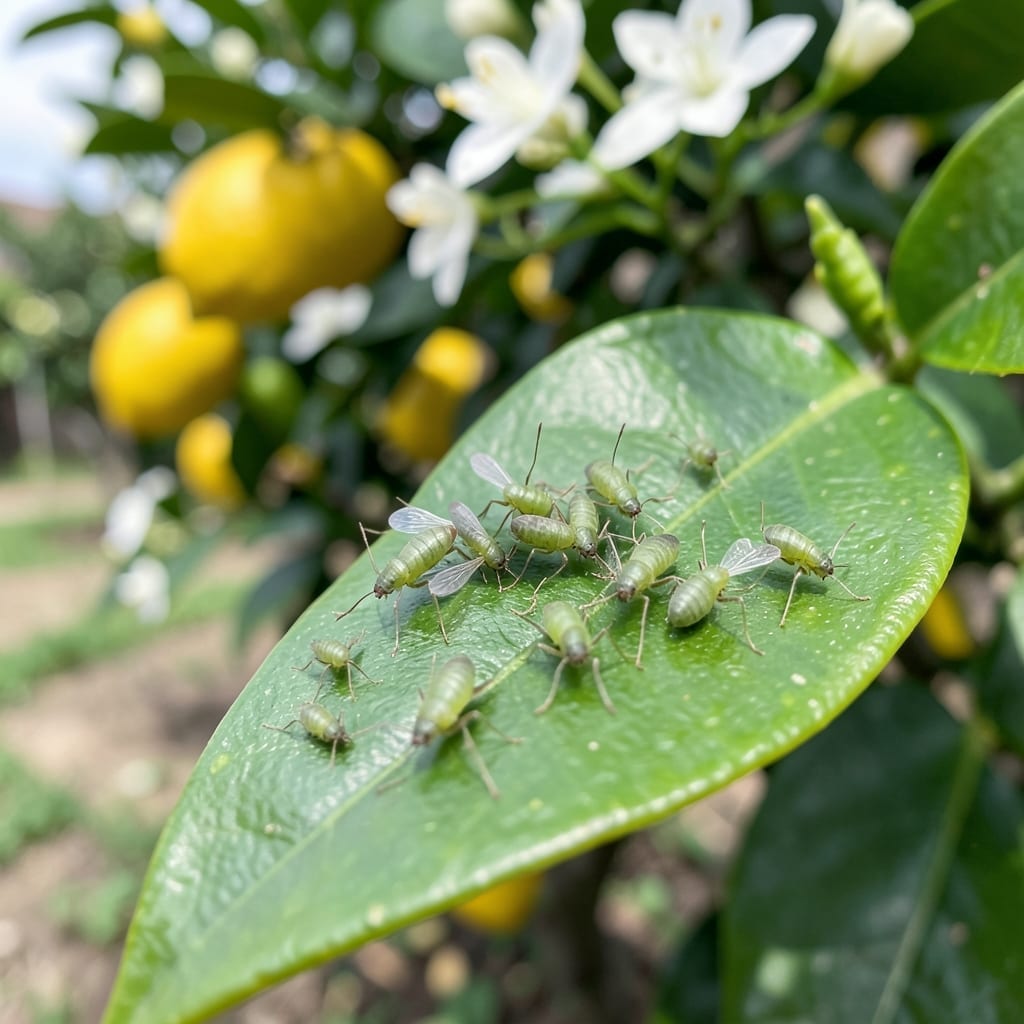
Tiny green invaders can ruin a perfect citrus crop. I lost half my lemons last year before figuring out the foolproof way to stop them.
These pests multiply fast, curling leaves and stunting fruit growth. The solution isn’t chemicals—it’s understanding their life cycle and hitting them where they’re weak.
Within 48 hours of the right approach, you’ll see aphids fleeing and new growth returning. Your tree bounces back stronger, and the fruit stays safe to eat.
Works for potted trees, backyard orchards, or even indoor citrus. Here’s the method that saved my harvest.
Aphid outbreaks on citrus trees rarely happen by chance. These pests thrive when specific conditions align, often exploiting weaknesses in the tree or its environment. Understanding the root causes helps you prevent and manage infestations more effectively.
Excess nitrogen, especially from synthetic fertilizers, promotes lush, soft new growth—aphids’ favorite food. Citrus trees fertilized heavily in spring often produce tender shoots that lack the natural defenses found in mature foliage. Action: Use balanced, slow-release organic fertilizers and avoid over-application.
Both drought and waterlogged soil stress citrus trees, weakening their resistance. Stressed trees produce fewer defensive compounds (like terpenes) and more amino acids in their sap, which attract aphids. Action: Maintain consistent moisture with well-draining soil and mulch to retain water without suffocating roots.
Aphids, like the Toxoptera citricida (citrus aphid), often survive mild winters in warmer climates (USDA zones 9–11). Without a hard freeze to kill eggs and adults, populations explode in early spring. Action: Monitor trees in late winter and apply horticultural oil to smother overwintering eggs.
When beneficial insects (e.g., ladybugs, lacewings, or parasitic wasps) are absent, aphid populations grow unchecked. This often occurs after broad-spectrum pesticide use, which kills predators faster than pests. Action: Plant companion flowers (e.g., alyssum, dill) to attract predatory insects and avoid chemical sprays.
Weak or improperly pruned citrus trees are more susceptible to aphids. Open wounds from aggressive pruning release sap, which aphids detect from afar. Action: Prune during dry, cool periods, sterilize tools, and seal large cuts with pruning paste to deter pests.
Once aphids appear on your citrus tree, quick and targeted action is key. Below are practical fixes for each common cause, plus prevention tips to keep your tree thriving. 🌿
If soggy soil is attracting aphids, reduce watering frequency and ensure your tree’s pot or planting area has proper drainage. Let the top inch of soil dry out between waterings. Consider adding perlite or sand to improve soil structure. Prevention tip: 💡 Use a moisture meter to avoid guesswork.
Encourage or release natural aphid predators like ladybugs, lacewings, or parasitic wasps. You can buy these online or from garden centers. Avoid broad-spectrum pesticides, which kill helpful insects too. Prevention tip: 🎯 Plant companion flowers (e.g., marigolds, alyssum) to attract beneficial bugs.
Aphids love weak, undernourished trees. Use a balanced citrus fertilizer (e.g., 10-10-10) and follow label instructions. Over-fertilizing can also stress the tree, so stick to a schedule. Prevention tip: ✨ Test your soil annually to tailor nutrient inputs.
If synthetic pesticides are disrupting the ecosystem, switch to neem oil or insecticidal soap. Spray directly on aphids, focusing on the undersides of leaves. Repeat every 5–7 days until the infestation clears. Prevention tip: 🌡️ Apply sprays in the early morning or late evening to avoid harming bees.
Remove heavily infested leaves or branches to reduce aphid populations and improve airflow. Boost tree vigor with proper pruning, mulching, and consistent care. Prevention tip: 🍃 Regularly inspect your tree for early signs of pests.
They appear as tiny green, black, or yellow pear-shaped insects clustering on new growth or leaf undersides. You may also notice sticky honeydew residue or curled leaves.
Rarely, but severe infestations can weaken the tree, stunt growth, and spread sooty mold. Act quickly to prevent long-term damage.
Apply every 5-7 days until aphids are gone, or as a preventive every 2-3 weeks. Always spray in the evening to avoid harming bees.
Yes, mix 1 teaspoon mild dish soap per 1 quart of water and spray directly on aphids. Avoid harsh detergents that can harm the tree.