
Beautiful Plants For Your Interior
Beautiful Plants For Your Interior
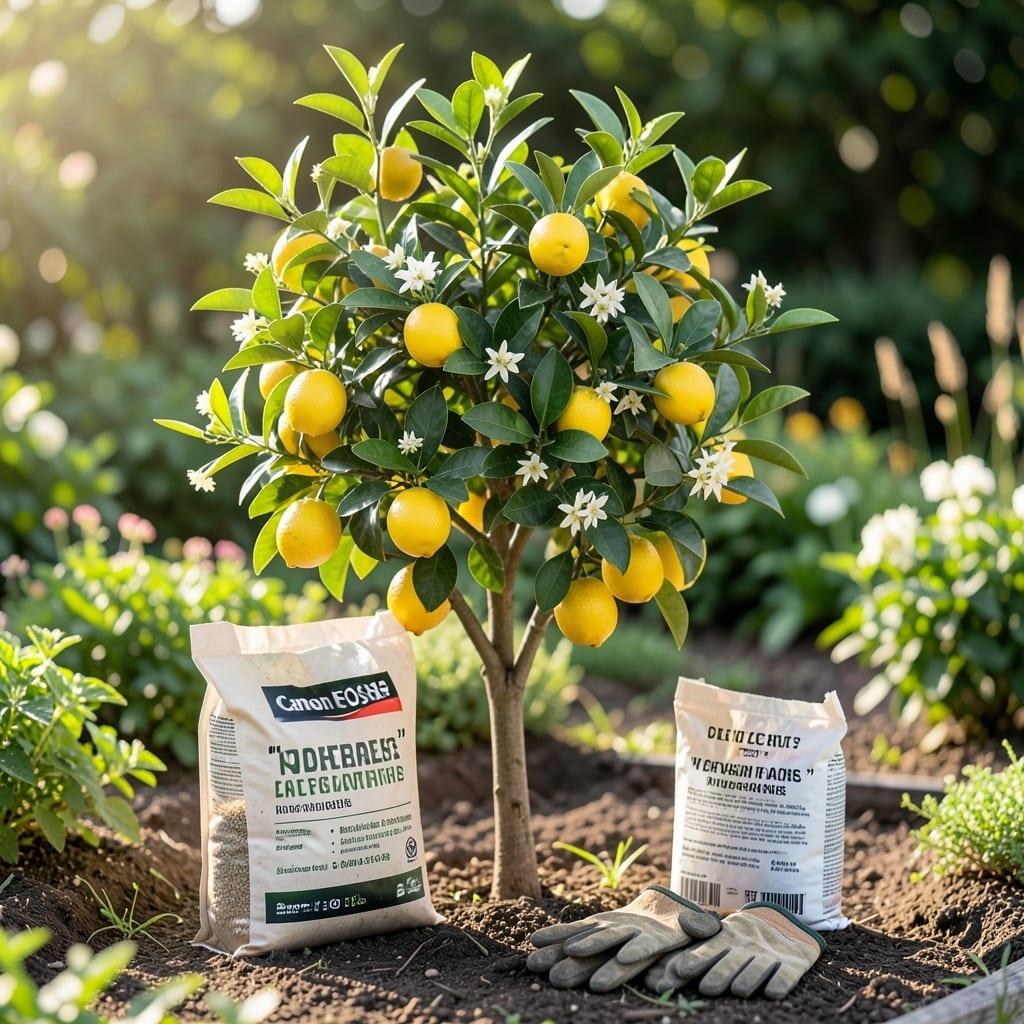
Timing your Citrus Tree fertilization correctly in Louisiana’s humid climate can transform your harvest. The 🍊 difference between mediocre fruit and a bumper crop often comes down to when you feed your trees.
Our state’s unique growing season demands a strategic approach. I’ve seen firsthand how the right schedule brings out the best in these trees, even in our unpredictable weather.
This guide breaks down the most effective monthly plan to keep your trees thriving. You’ll discover when to apply nutrients for maximum impact, tailored specifically for Louisiana’s conditions.
Whether you’re a seasoned gardener or just starting with citrus, these insights will help you achieve healthier trees and better fruit. Let’s get started.
Louisiana’s humid subtropical climate creates unique conditions for citrus tree fertilization. The key is matching your feeding schedule to the tree’s growth cycles while accounting for our long, hot summers and mild winters.
I’ve found that timing is everything with citrus trees. They need consistent nutrition during active growth periods but benefit from reduced feeding during dormant months. This balance prevents nutrient burn while ensuring robust development.
| Season | Months | Action | Key Notes |
|---|---|---|---|
| Spring | Feb-Apr | FEED | Begin as new growth appears |
| Early Summer | May | Light Feed | Reduce frequency |
| Summer | Jun-Aug | Light Feed | Maintain light feeding |
| Fall | Sep-Oct | FEED | Final feeding for winter prep |
| Winter | Nov-Jan | Skip | Semi-dormant period |
In spring (Feb-Apr), your citrus trees are waking up and need a balanced fertilizer like 8-8-8 or 10-10-10 to support new growth. I recommend applying 1-2 lbs per tree every 4-6 weeks during this period.
The summer months (May-Aug) call for a lighter touch. While the heat demands consistent moisture, you should reduce fertilization frequency. A light feeding every 6-8 weeks keeps trees nourished without overwhelming them.
As we transition to fall (Sep-Oct), give your trees a final nutrient boost to strengthen them for winter. This is when I see the biggest difference in next year’s fruit production when done correctly.
During winter (Nov-Jan), your citrus trees enter a semi-dormant state. This is the time to skip fertilization entirely and focus on protecting your trees from any unexpected cold snaps.
Remember that Louisiana’s soil often lacks micronutrients like zinc and iron. I always recommend using a fertilizer specifically formulated for citrus, which includes these essential elements.
The best time of day to fertilize is in the early morning. This allows the nutrients to soak into the soil before the heat of the day, reducing the risk of burning the roots.
For young trees, I suggest starting with half the recommended amount of fertilizer and gradually increasing as they mature. This prevents nutrient overload while still promoting healthy growth.
Consistency in your fertilization schedule will reward you with healthier trees and more abundant fruit. The key is to observe your trees and adjust based on their specific needs and responses 🌳
Knowing when your citrus trees need fertilizer is as important as the schedule itself. In Louisiana, our trees often show nutrient deficiencies through yellowing leaves or stunted growth, which are clear signals it’s time to feed.
I’ve learned that leaf color changes often indicate specific deficiencies: pale yellow leaves may signal nitrogen deficiency, while yellowing between veins suggests iron or zinc issues. These are common in our state’s soil.
Another telltale sign is leaf drop or poor fruit set. If your trees are dropping leaves outside of normal seasonal patterns, they might be starved for nutrients. Similarly, if you notice small or misshapen fruit, it often indicates a need for better nutrition.
One common mistake I see is over-fertilizing in summer. While it’s tempting to push growth during our long growing season, too much fertilizer can lead to salt buildup in the soil, which actually harms the roots.
Also, many gardeners use the wrong NPK ratio. Citrus trees thrive on a balanced fertilizer like 8-8-8, but they also need those crucial micronutrients that general fertilizers often lack.
Remember that less is often more with fertilization. It’s better to under-feed slightly than to risk damaging your trees with excess nutrients. Regular, moderate applications following our seasonal guide will serve your trees best in the long run 🌿