
Beautiful Plants For Your Interior
Beautiful Plants For Your Interior
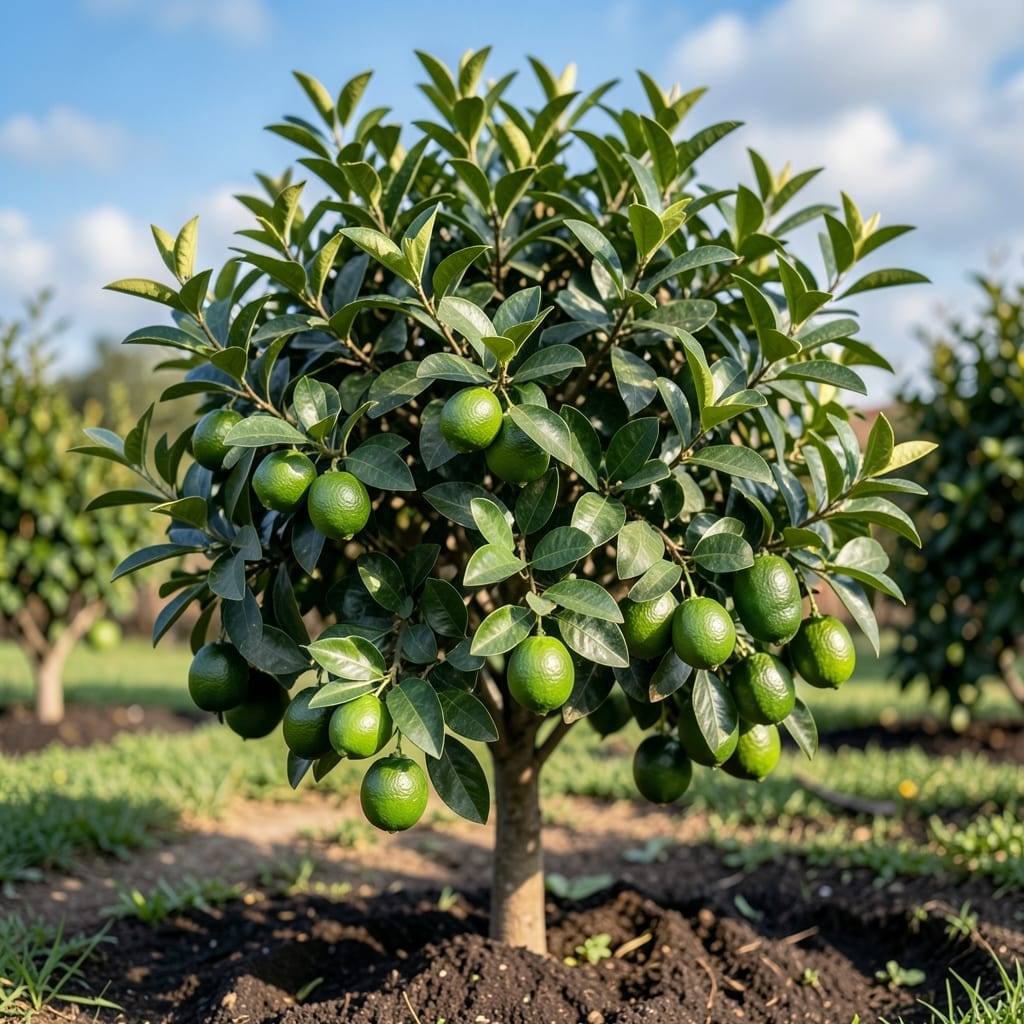
Lime trees can reward patient gardeners with tangy, fresh fruit—but knowing when to expect that first harvest makes all the difference. The 🍋 Lime Tree often defies the calendar, producing fruit almost year-round in ideal conditions.
Unlike seasonal crops, these citrus trees thrive in warmth. In USDA zones 9-11, they can bear limes continuously, while cooler areas see a late summer to fall window.
I’ll break down how climate, variety, and care impact your Lime Tree’s fruiting timeline. Let’s discover how to maximize your harvest, no matter where you grow.
Lime trees are unique among fruit-bearing plants because they can produce multiple harvests per year in the right conditions. In tropical climates, like Florida or Hawaii, they often bear fruit year-round, with peaks in summer and fall.
In subtropical zones, such as parts of California or Texas, lime trees typically produce fruit in late summer through early winter. Cooler regions may see a shorter window, usually fall only.
| Climate Zone | Fruiting Season | Key Varieties |
|---|---|---|
| Tropical (Zone 10-11) | Year-round, peak in summer/fall | Key lime, Mexican lime |
| Subtropical (Zone 9) | Late summer to early winter | Persian lime, Bearss lime |
| Cooler (Zone 8 and below) | Fall only, if frost-protected | Dwarf varieties in containers |
The Key lime is the most prolific in warm climates, often producing smaller, seedier fruit continuously. In contrast, the Persian lime, a hybrid, tends to have a more defined season and larger, seedless fruit.
For gardeners in cooler USDA zones, such as Zone 8, lime trees may struggle to fruit outdoors. However, dwarf varieties in containers can be moved indoors during cold snaps to extend the growing season.
I’ve found that consistent warmth is the biggest factor in fruit production. Even in subtropical areas, a late frost can delay flowering, pushing back the harvest by weeks or even months.
Another key consideration is the tree’s age. Most lime trees take 3-6 years to bear fruit from seed, while grafted trees may produce in as little as 2-3 years. Patience is essential, especially in less-than-ideal climates.
If you’re growing lime trees in containers, ensure they receive full sun (6+ hours daily) and are protected from temperatures below 30°F. This mimics their natural environment and encourages steady fruiting.
Pollination also plays a role. While many lime varieties are self-pollinating, having multiple trees can boost yields. Bees and other pollinators help, but a gentle shake of the branches can also aid the process.
In my experience, lime trees thrive with well-draining soil and regular watering. Overwatering or poor drainage can lead to root rot, which stunts growth and delays fruiting. Aim for moist but not soggy conditions.
Finally, fertilizing with a citrus-specific blend every 4-6 weeks during the growing season can promote healthy growth and abundant fruit. I recommend a balanced NPK ratio, such as 6-6-6, to support both foliage and fruit development. 🌿
To get your lime tree fruiting earlier and more abundantly, I focus on consistent care and ideal growing conditions. Start with well-draining soil to prevent root rot, which can stall growth and delay fruiting for years.
Next, ensure your tree gets 6+ hours of sunlight daily. In my experience, lime trees in full sun produce more fruit and reach maturity faster than those in partial shade. ☀️
A balanced fertilizer with an NPK ratio of 6-6-6 works wonders. I apply it in early spring to kickstart growth, then light feedings every month through summer to support fruit development.
Pruning is another key step. Remove dead or diseased wood in late winter to direct energy toward fruit production. Avoid heavy pruning, as lime trees fruit on older wood. ✂️
Pest control is often overlooked but critical. Aphids and scale insects can stress the tree, reducing yields. I use neem oil or insecticidal soap at the first sign of infestation to keep my lime tree healthy.
Finally, be patient. Even with perfect care, most lime trees take 3-5 years to bear fruit from seed. Grafted trees may produce in 2-3 years. The wait is worth it when you see those first vibrant limes!
For container-grown lime trees, I recommend dwarf varieties like the Calamondin or Improved Meyer. These stay compact and fruit reliably with proper care. 🌱