
Beautiful Plants For Your Interior
Beautiful Plants For Your Interior
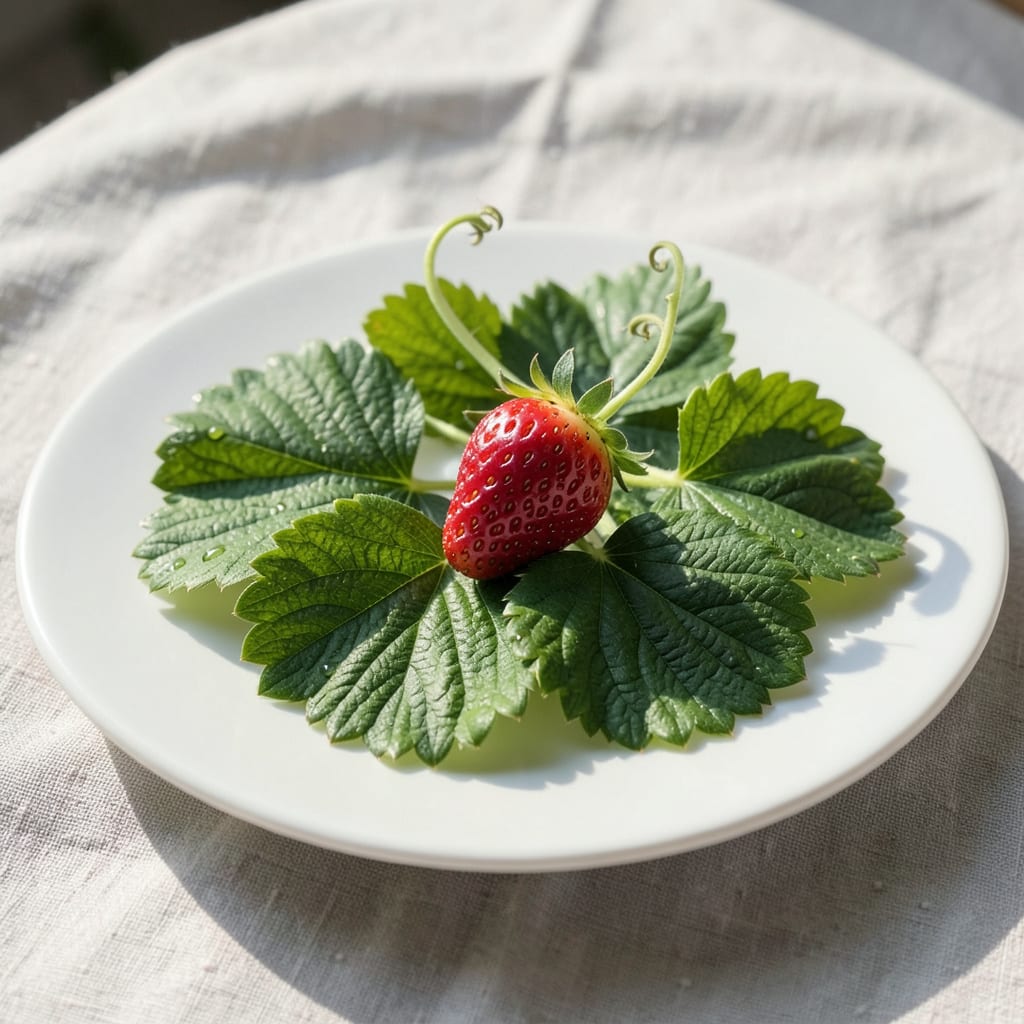
Nothing ruins a strawberry patch faster than seeing those leaves start curling at the edges. I’ve lost count of how many times I’ve stared at my plants wondering if it’s pests, disease, or just bad weather causing the problem.
The good news is most cases are fixable with quick action. Aphids, spider mites, and even fungal issues can all make leaves twist and curl, but each leaves its own calling card if you know where to look.
Within 2-3 days of treating the right issue, new growth starts looking normal again. The key is matching the symptom to the solution—no guesswork, just targeted fixes.
Works for container plants, garden beds, and even hanging baskets. Here’s how to play detective and nurse those berries back to health.
Strawberry leaves curling up is often a sign of underlying stress or disease. Here are the most common causes, explained clearly so you can diagnose and act fast.
Extreme heat, cold, or drought conditions can cause leaves to curl as a protective response. Strawberries thrive in 60–80°F (15–27°C). When temperatures spike or drop sharply, the plant conserves moisture by tightening its leaves. Underwatering or overwatering can also trigger this—roots either dry out or suffocate, disrupting nutrient uptake.
Spider mites, aphids, and thrips are tiny but destructive. They pierce leaf cells to feed, causing curling, yellowing, or stippling. Aphids, for example, excrete honeydew, which promotes sooty mold growth—further stressing the plant. Check the undersides of leaves for webbing (mites) or clusters of green/black bugs (aphids).
Powdery mildew and leaf curl virus are common culprits. Powdery mildew creates a white, powdery coating on leaves, leading to distortion and curling. The strawberry leaf curl virus, spread by aphids, directly causes leaves to curl inward. Bacterial leaf scorch (Xanthomonas fragariae) can also induce curling alongside brown, crispy edges.
A lack of potassium, magnesium, or calcium can manifest as curled leaves. Potassium deficiency often shows as leaf edges browning and curling, while magnesium deficiency causes interveinal chlorosis (yellowing between veins) with curling. Over-fertilization, especially with nitrogen, can also lead to rapid, weak growth that’s prone to curling.
Strawberry leaves curling up can often be resolved with targeted care. Below are practical solutions mapped to common causes, along with prevention tips to keep your plants thriving.
If dry soil is the culprit, water deeply at the base (not the leaves) to encourage root absorption. Aim for 1–1.5 inches of water per week, adjusting for heat or drought. Mulch with straw to retain moisture. 💡 Prevention: Use a drip irrigation system for consistent hydration.
Soggy roots lead to curling. Stop watering immediately and let the top 2 inches of soil dry out. Repot in well-draining soil mixed with perlite or sand. Ensure containers have drainage holes. 🎯 Prevention: Water only when the soil feels dry 1 inch down.
For aphids or spider mites, spray leaves with neem oil (1 tbsp oil + 1 tsp dish soap per gallon of water) every 5–7 days. Remove heavily infested leaves by hand. ✨ Prevention: Introduce beneficial insects like ladybugs or use reflective mulch to deter pests.
Shield plants from harsh sunlight (use shade cloth) or cold drafts (move pots indoors). If humidity is too low, mist leaves lightly in the morning. 🌱 Prevention: Plant strawberries in a spot with partial shade and stable temperatures.
Remove curled, spotted leaves with sterilized scissors and discard (don’t compost). Apply a copper fungicide or baking soda spray (1 tsp baking soda + 1 quart water + a drop of soap). 💡 Prevention: Space plants 12–18 inches apart for airflow and avoid overhead watering.
Yes, soggy soil suffocates roots and triggers leaf curling. Stop watering immediately and let the top 2 inches of soil dry out. Repot in well-draining soil for best results.
Inspect the undersides of leaves for tiny bugs or webbing. Aphids and spider mites are common culprits. Use a magnifying glass if needed to spot them early.
New growth typically returns to normal within 2-3 days of fixing the issue. Severely damaged leaves may not uncurl, but the plant will grow fresh, healthy ones.
If caused by pests or viruses, it can spread. Isolate affected plants and treat promptly. Always sterilize tools after pruning to prevent contamination.
