
Beautiful Plants For Your Interior
Beautiful Plants For Your Interior
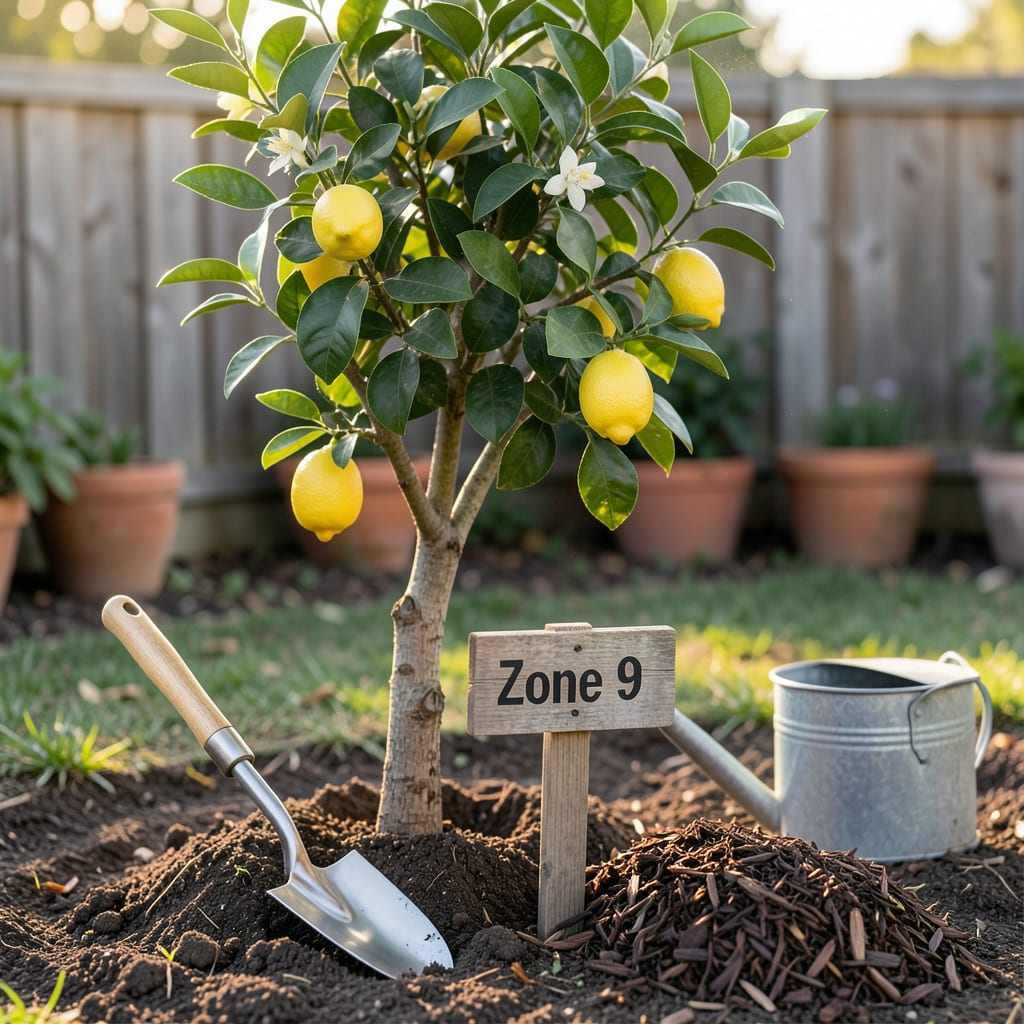
Timing can make or break your 🍊 Citrus Tree success in Zone 9—plant too early, and frost might stunt your sapling; wait too long, and scorching heat could stress it beyond recovery. I’ve seen gardeners lose years of growth by missing that sweet spot between winter’s last chill and summer’s first blaze.
The good news? Zone 9’s mild climate gives you two perfect windows to get it right. Whether you’re dreaming of homegrown oranges or tangy lemons, I’ll show you exactly when to dig in—and why those extra weeks of preparation can mean the difference between a struggling tree and a bountiful harvest for years to come.
If you’re eager to grow juicy oranges, tangy lemons, or sweet mandarins, timing your planting in Zone 9 is critical. This region’s mild winters and hot summers create two ideal windows for planting citrus trees. Get it right, and you’ll enjoy faster establishment and bigger harvests.
In Zone 9, the best planting times are early spring (February–April) and early fall (September–October). These periods avoid the extreme summer heat and winter frost risks, giving roots time to settle before stress hits. Let’s break down why these windows work so well.
| Season | Months | Why It Works | Varieties to Plant |
|---|---|---|---|
| Early Spring | Feb–April | Warm soil, no frost risk, moderate temps for root growth | Meyer lemons, Navel oranges, Satsuma mandarins |
| Early Fall | Sept–Oct | Cooler temps, less heat stress, roots establish before winter | Grapefruit, Limes, Clementines |
Pro Tip: Avoid planting in summer (June–August)—extreme heat can shock young trees and stunt growth.
Early spring planting (February–April) is my top recommendation for Zone 9 gardeners. By this time, the last frost has typically passed, and soil temps reach at least 60°F (15°C). This warmth encourages root development before the summer heat arrives.
If you miss the spring window, don’t worry—early fall (September–October) is your second-best option. The cooler temperatures reduce transplant shock, and trees have time to anchor their roots before winter. Just be sure to plant at least 6 weeks before your area’s first frost date.
For coastal Zone 9 areas, you might squeeze in a late winter planting (January), thanks to milder conditions. But inland Zone 9 gardeners should stick to February–April to avoid unexpected cold snaps. Always check your local frost dates for precision.
No matter the season, soil prep is non-negotiable. Citrus trees demand well-draining soil with a pH of 6.0–7.0. I recommend amending heavy clay with sand or compost to prevent root rot. A sunny spot (6–8+ hours of light) is also a must for sweet, abundant fruit.
If you’re planting container-grown citrus, transition them gradually to outdoor conditions. Place pots in partial shade for a week before moving to full sun. This hardening-off process reduces stress and helps trees adapt to Zone 9’s intensity.
For bare-root citrus trees, early spring is the only viable window. These trees need cool, moist conditions to establish roots before summer. Soak roots in water for 1–2 hours before planting, and mulch heavily to retain moisture.
Remember, young citrus trees need consistent watering—about 1–2 inches per week—for the first year. Use a drip irrigation system to keep moisture levels steady without wetting the foliage, which can invite fungal diseases. With the right timing and care, your trees will reward you with fruits in 2–3 years!
Still unsure? Test your soil temperature with a thermometer—if it’s consistently above 60°F at 6 inches deep, you’re good to plant. And if you’re in a microclimate (like near the coast or urban heat islands), adjust timing by 2–3 weeks based on local trends.
Even with perfect timing, small errors can derail your citrus trees in Zone 9. I’ve seen gardeners lose years of growth by overlooking key details. Let’s tackle the top 3 mistakes that sabotage young trees—and how to fix them before they strike.
The most common blunder? Planting in summer. Zone 9’s scorching temps (often above 90°F) stress young roots, leading to wilting or even death. Stick to spring/fall windows, and if you must plant in heat, use shade cloth for the first month.
Zone 9 Pro Tip: Test drainage by digging a 12″ hole, filling it with water, and timing how long it takes to drain. Ideal: 1–2 hours. Slower? Add gypsum or perlite.
Another costly error is poor soil prep. Citrus trees hate wet feet, yet many gardeners plant in unamended clay. Before planting, mix native soil with 50% compost and 20% sand to improve drainage. For container planting, use a citrus-specific potting mix.
Overwatering is the third silent killer. While young trees need consistent moisture, soggy soil suffocates roots. Water deeply but infrequently: 1–2 inches per week, adjusting for rain. Use the finger test—stick your finger 2 inches deep. If dry, water; if damp, wait.
Don’t forget microclimate quirks! Inland Zone 9 areas may have hotter summers and colder winters than coastal spots. If you’re in a low-lying area, watch for frost pockets. Plant on a slight slope or use frost cloth for winter protection.
Finally, neglecting rootstock selection can doom your tree. For Zone 9, choose drought-tolerant rootstocks like ‘C-35’ citrange or ‘Sour Orange’. These handle heat stress better and resist soil-borne diseases common in warmer climates.
By avoiding these pitfalls, you’ll set your citrus trees up for faster growth and heavier fruit loads. Remember: Zone 9’s long growing season is a gift—don’t waste it with preventable mistakes! 🌿
Not all citrus trees are created equal—especially in Zone 9, where coastal breezes and inland heat create wildly different growing conditions. Picking the right variety means the difference between a struggling tree and one that thrives with minimal fuss. Let’s dive into the best performers.
For coastal Zone 9, where winters are milder and summers cooler, ‘Meyer’ lemons and ‘Satsuma’ mandarins are my top picks. These varieties handle light frost and produce sweet, juicy fruit with less heat stress. Inland gardeners, however, should lean toward heat-tolerant varieties like ‘Eureka’ lemons or ‘Rio Red’ grapefruit.
| Variety | Best For | Cold Hardiness | Heat Tolerance | Fruit Season |
|---|---|---|---|---|
| Meyer Lemon | Coastal Zone 9 | 22–24°F | Moderate | Year-round (peaks winter) |
| Satsuma Mandarin | Coastal/Inland | 18–20°F | High | Fall–Winter |
| Eureka Lemon | Inland Zone 9 | 25–28°F | Very High | Winter–Spring |
| Rio Red Grapefruit | Inland Heat | 20–22°F | Extreme | Late Winter |
Pro Tip: Dwarf varieties (like ‘Improved Meyer’) are ideal for containers and small spaces, reaching only 8–10 ft tall.
If you’re in a frost-prone pocket of Zone 9, prioritize cold-hardy varieties like ‘Yuzu’ or ‘Kumquats’, which survive temps down to 15°F. For container growing, ‘Calamondin’ (a sour orange hybrid) is a fun, ornamental choice that thrives in pots and handles Zone 9’s temperature swings.
For year-round fruit, plant a mix of early, mid, and late-season varieties. Pair a ‘Navel orange’ (winter) with a ‘Valencia orange’ (summer) and a ‘Meyer lemon’ (year-round). This strategy ensures you’re always harvesting something fresh from your Zone 9 citrus grove.
Remember, rootstock matters! For Zone 9, grafted trees on ‘Trifoliate orange’ or ‘C-35 citrange’ rootstocks offer disease resistance and drought tolerance. Avoid ‘Sour orange’ rootstock if you’re in a wet microclimate—it’s prone to root rot in poorly drained soils.
Lastly, pollination isn’t usually an issue for citrus, but if you’re growing ‘Tangelo’ hybrids or ‘Clementines’, plant a compatible pollinator (like a ‘Meyer lemon’) nearby to boost fruit set. With the right varieties and care, your Zone 9 citrus trees will flourish for decades! 🌳
Wait until soil reaches at least 60°F (15°C) at 6 inches deep. Use a soil thermometer to check—this warmth ensures roots grow actively without stress.
Choose dwarf varieties like ‘Improved Meyer’ lemon and use citrus-specific potting mix. Containers need daily watering in summer and winter protection if temps drop below 25°F.
Cover trees with frost cloth or burlap when temps dip below 30°F. Add Christmas lights under the cover for extra warmth, and mulch heavily to insulate roots.
Spring planting (Feb–April) gives trees a full growing season to establish before winter. Fall planting (Sept–Oct) avoids summer heat but requires 6 weeks before first frost. Both work well in Zone 9!
Most citrus trees bear fruit in 2–3 years when planted correctly. Dwarf varieties may fruit sooner, while standard-size trees can take up to 5 years. Patience pays off with sweeter harvests!
