
Beautiful Plants For Your Interior
Beautiful Plants For Your Interior
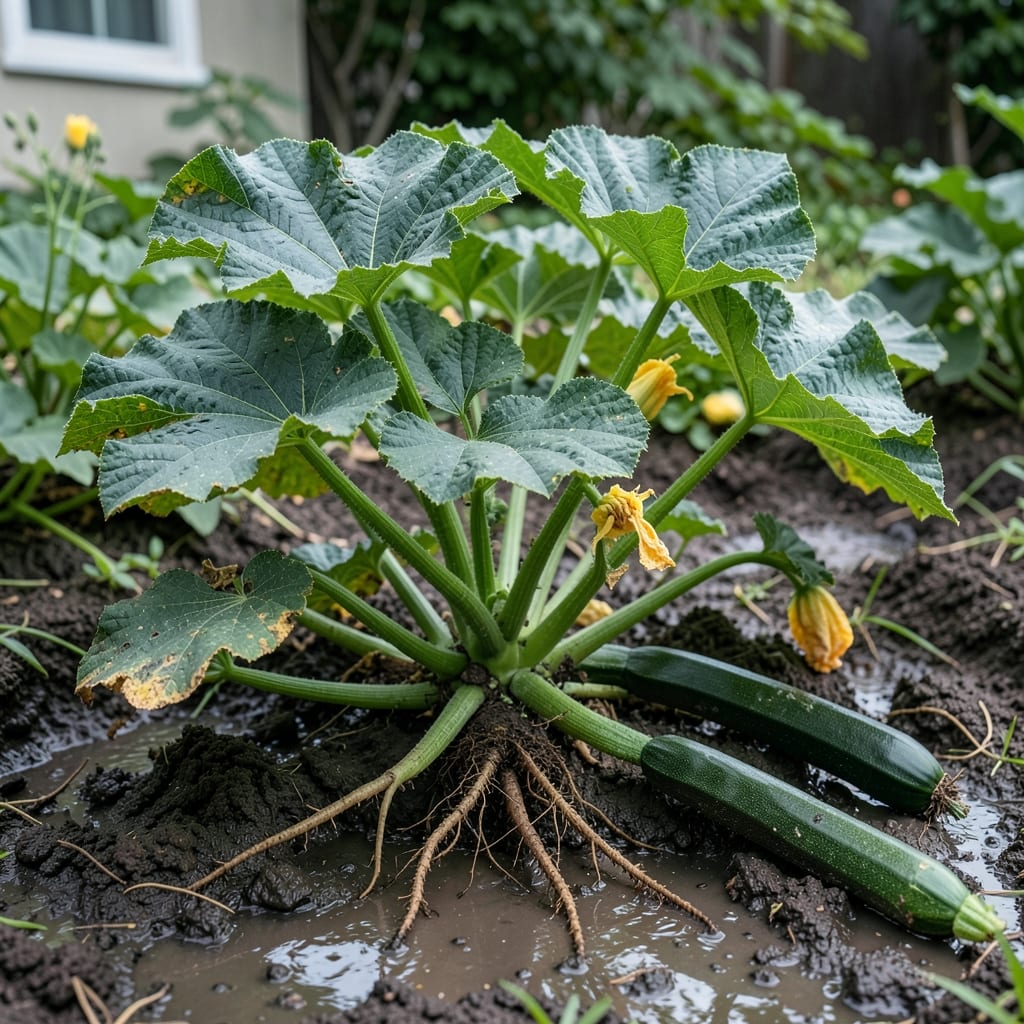
Zucchini root rot causes wilting, yellowing leaves, and stunted growth due to fungal or bacterial infection in the roots. Early detection and proper drainage can prevent severe damage.
I’ve seen this issue devastate gardens when left unchecked. The pathogens thrive in soggy conditions, so well-draining soil is your first line of defense. Catching it early means looking for subtle signs like slow growth or leaves that droop during the day but don’t recover at night. ✨
What many don’t realize is that crop rotation and resistant varieties can save your harvest before problems even start. 💫
💡 In This Article
The primary culprits are Phytophthora and Pythium fungi, which thrive in waterlogged soil. These pathogens attack the roots when conditions are too wet, often after heavy rain or overwatering. Bacteria like Erwinia can also contribute, especially in poorly aerated soil. 🔥
Overwatering creates the perfect breeding ground for these microbes. Soil that stays saturated for more than 24-48 hours begins to suffocate the roots, weakening the plant’s natural defenses.
The infection starts at the root tips, where the fungi release enzymes that break down cell walls, turning healthy white roots into mushy, dark brown or black tissue.
As the disease progresses, the roots lose their ability to absorb water and nutrients. You’ll first notice the leaves wilting during the hottest part of the day, but unlike drought stress, they don’t recover overnight. The plant’s growth slows dramatically, and leaves may turn yellow or develop brown spots.
In advanced stages, the entire root system collapses, and the plant topples over. ⚡
Soil temperature matters too. These pathogens are most active in soils between 60-85°F. Cool, wet springs are particularly dangerous for zucchini plants, as the slow growth of the plant combined with the ideal conditions for fungi creates a perfect storm for infection. Proper spacing between plants also helps by improving air circulation around the roots.
What most gardeners overlook is that compacted soil worsens the problem. Heavy clay soils or areas with frequent foot traffic restrict root growth and water drainage. Amending the soil with organic matter like compost can improve structure and drainage, reducing the risk of rot taking hold. ✨
Look for wilting leaves that don’t recover overnight and slow growth. Yellowing foliage and stunted new shoots often appear before visible root damage.
Amend soil with 2-3 inches of compost or create raised beds. Avoid waterlogging by ensuring water drains within 24-48 hours after rain.
For mild cases, trim affected roots and treat with copper fungicide. Severe infections require removing the plant to prevent spreading. Never compost infected material.
Rotate crops every 3 years and choose resistant varieties like ‘Black Beauty’. Mulch with straw to reduce soil splash that spreads pathogens.