
Beautiful Plants For Your Interior
Beautiful Plants For Your Interior
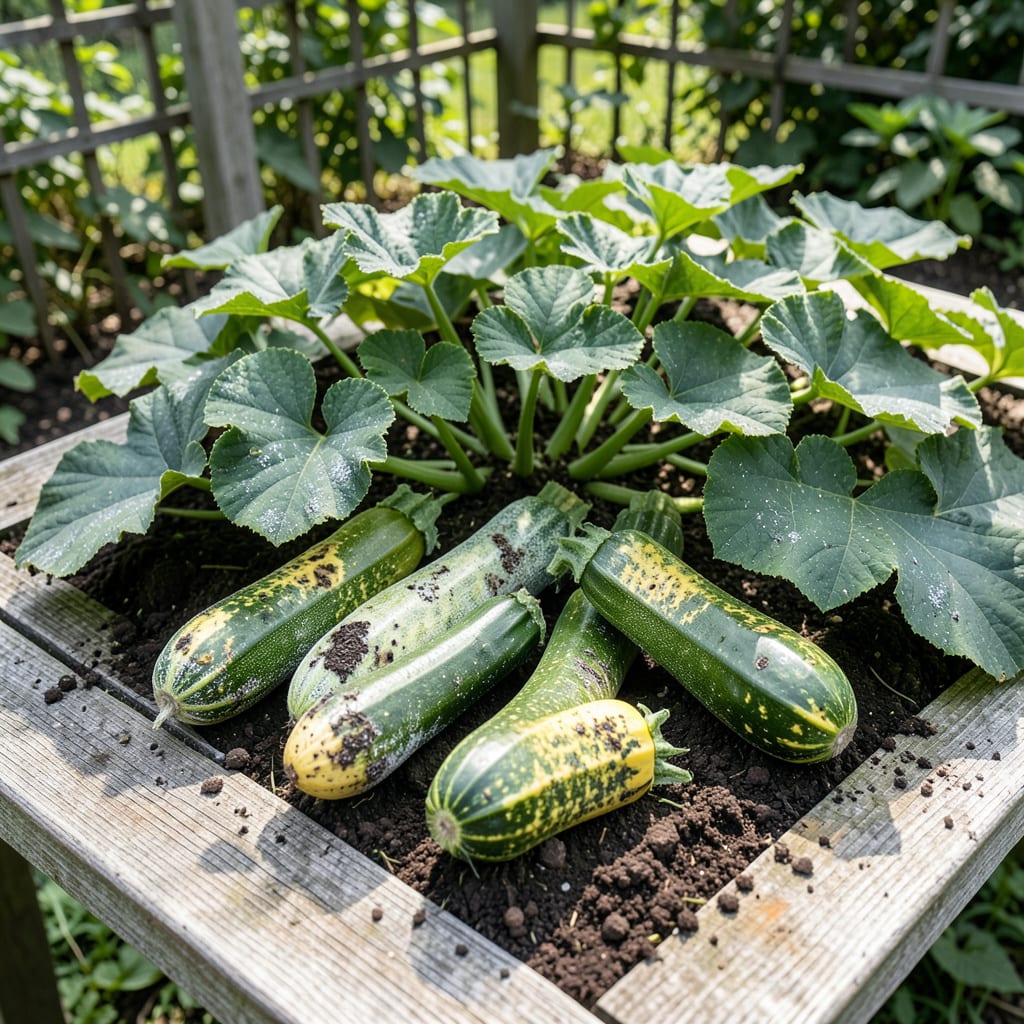
Last summer, my zucchini patch went from thriving to tragic in 48 hours. Yellowing leaves, white powdery spots, then wilting vines—it was a garden nightmare come to life.
I learned the hard way that most zucchini diseases are preventable with the right knowledge. Proper spacing, crop rotation, and morning watering can stop problems before they start.
What you get is a garden that stays productive from first bloom to last harvest. No more watching healthy plants turn into disease magnets overnight.
Works for backyard gardens, raised beds, or container zucchini. Here’s how to keep them healthy all season.
Zucchini plants are hardy, but they’re not invincible. Several factors can trigger diseases, and understanding the root causes helps you prevent them. Here’s a breakdown of why these issues arise:
Extreme weather conditions weaken zucchini plants, making them susceptible to diseases. High humidity and poor air circulation create the perfect breeding ground for fungal infections like powdery mildew. Conversely, drought stress or overwatering can compromise the plant’s immune system, inviting bacterial and viral pathogens.
Fungal, bacterial, and viral pathogens are often the direct cause of zucchini diseases. Fungi (e.g., Phytophthora or Fusarium) thrive in wet, warm conditions, while bacteria like Pseudomonas spread through contaminated tools, water, or infected seeds. Viruses, such as cucumber mosaic virus, are typically transmitted by aphids or other pests.
Pests like aphids, cucumber beetles, and squash bugs don’t just damage plants—they also spread diseases. Aphids, for example, transmit viruses as they feed, while cucumber beetles can carry bacterial wilt. Even minor pest damage creates entry points for pathogens to infect the plant.
Improper gardening habits can invite trouble. Overcrowding plants reduces airflow, lack of crop rotation allows soil-borne diseases to persist, and ignoring sanitation (like leaving diseased plant debris) spreads pathogens. Using unsterilized tools or contaminated compost can also introduce harmful microbes.
By addressing these root causes—managing moisture, controlling pests, and practicing good hygiene—you can significantly reduce the risk of zucchini plant diseases.
Keeping your zucchini plants healthy doesn’t have to be a battle. Here’s how to tackle the most common problems with simple, effective fixes—plus tips to keep them from coming back.
Spot white, powdery patches on leaves? Act fast to stop the spread. Mix 1 tablespoon of baking soda, 1 teaspoon of dish soap, and 1 gallon of water, then spray affected leaves weekly. Remove heavily infected leaves to improve airflow. Prevention tip: 💡 Space plants 3–4 feet apart and water at the base to keep foliage dry.
These pests suck sap from leaves, causing wilting. Handpick adults and eggs (look for bronze-colored clusters on leaf undersides) and drop them in soapy water. Lay down cardboard or newspaper traps under plants to catch hiding bugs. Prevention tip: 🌡️ Rotate crops yearly and clear garden debris in fall to disrupt their lifecycle.
Dark, sunken spots on fruit? This is often a calcium deficiency. Fix it by adding crushed eggshells or lime to the soil and maintaining even moisture (mulch helps!). Avoid over-fertilizing with nitrogen. Prevention tip: ✨ Test soil pH (aim for 6.0–6.8) and amend with compost before planting.
Wilting leaves that don’t recover overnight? Cucumber beetles may have spread bacterial wilt. Remove and destroy infected plants immediately to protect others. Use floating row covers early in the season to block beetles. Prevention tip: 🎯 Plant resistant varieties like ‘Black Beauty’ or ‘Cocozelle’.
Yellowing leaves and stunted growth? Overwatering or poor drainage is likely the culprit. Stop watering until soil dries slightly, and improve drainage with raised beds or sand. For severe cases, treat with a copper-based fungicide. Prevention tip: 🌱 Always plant in well-draining soil and avoid overhead watering.
White powdery spots usually mean powdery mildew, a fungal issue. It thrives in high humidity and poor air circulation. Treat with a baking soda spray and improve airflow by spacing plants 3-4 feet apart.
This is likely blossom end rot from a calcium deficiency. Add crushed eggshells or lime to soil and maintain even moisture with mulch. Test soil pH for best results.
Unfortunately, no. Remove infected plants immediately to protect others. Use row covers early next season to prevent cucumber beetles from spreading it.
Inspect plants 2-3 times per week, especially leaf undersides. Early detection of squash bugs or aphids prevents major outbreaks.
