
Beautiful Plants For Your Interior
Beautiful Plants For Your Interior
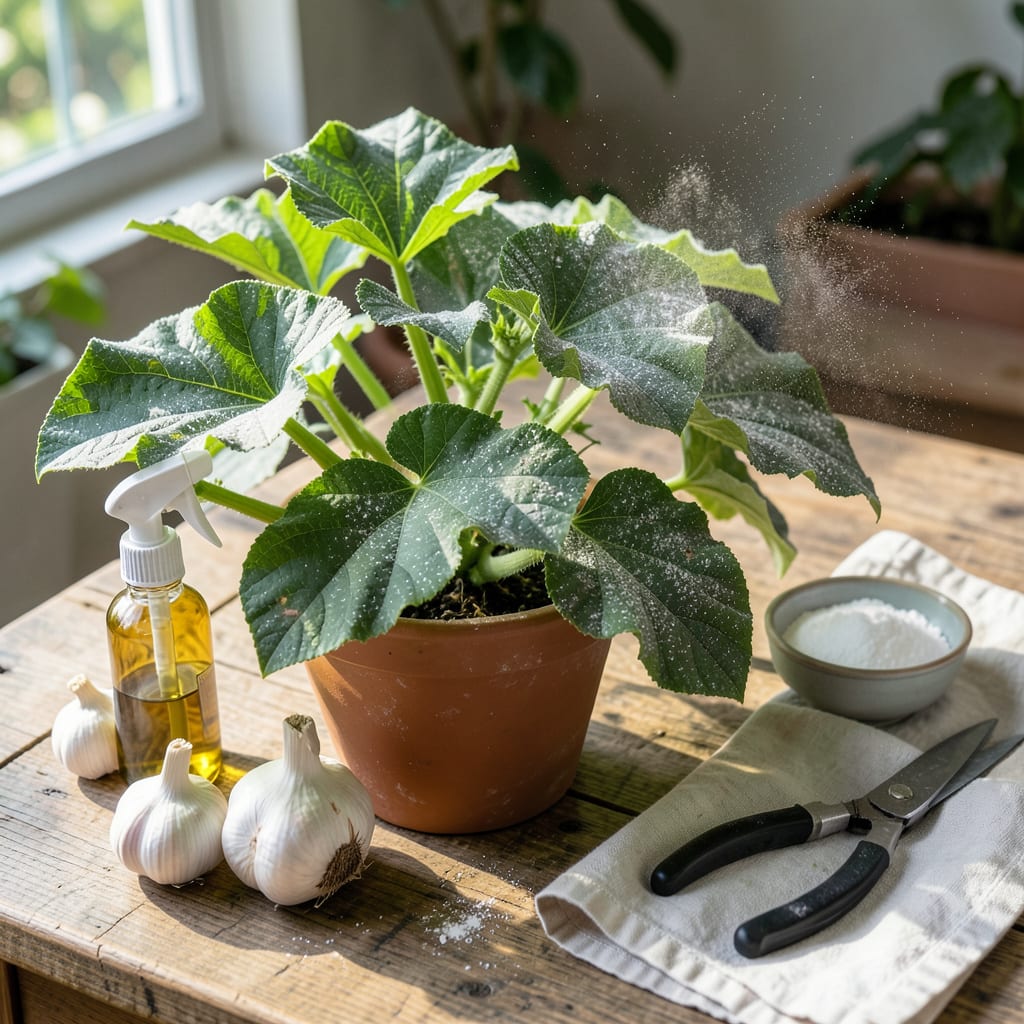
That white powder on your zucchini leaves means trouble. I’ve lost entire crops to powdery mildew before learning how to stop it in its tracks.
It spreads fast in warm, humid conditions, but simple changes make all the difference. Better airflow, proper watering, and a few organic sprays can turn things around in 48 hours.
You’ll see new growth coming in clean within a week, and your plants will keep producing. The key is catching it early and staying consistent.
Works for squash and cucumbers too. Here’s what saved my garden last summer.
Powdery mildew on zucchini plants is a common fungal disease, and understanding its root causes can help you prevent and manage it effectively. Here’s why it happens:
This fungal disease thrives in humid environments with stagnant air. When zucchini leaves stay damp for extended periods—especially in crowded gardens or dense plantings—spores of Podosphaera xanthii or Erysiphe cichoracearum (common powdery mildew pathogens) germinate and spread rapidly. Overhead watering or rain can exacerbate the issue by keeping foliage wet.
Powdery mildew flourishes in temperatures between 60–80°F (15–27°C), which is ideal for zucchini growth but also perfect for fungal growth. The temperature fluctuations between warm days and cool, dewy nights create the perfect conditions for spores to take hold, especially on older leaves.
Watering from above wets the leaves, providing the moisture fungi need to infect the plant. Zucchini leaves that remain damp for 2–6 hours are prime targets. Drip irrigation or soaker hoses at the soil level can significantly reduce this risk.
When zucchini plants are spaced too closely, air circulation is restricted, trapping humidity around the foliage. This not only promotes powdery mildew but also stresses the plants, making them more susceptible to infection. Proper spacing (at least 2–3 feet apart) helps mitigate this.
Some zucchini cultivars are genetically more prone to powdery mildew. If you’ve struggled with recurring infections, consider switching to resistant varieties like ‘Dunja’ or ‘Astia’, which are bred to fend off fungal spores more effectively.
Powdery mildew on zucchini plants is frustrating, but these targeted fixes will help you regain control. Address the issue as soon as you spot the first white, powdery patches to prevent it from spreading.
Crowded plants trap moisture, creating a perfect environment for mildew. Thin out dense foliage by pruning the oldest or most affected leaves with clean shears. Space plants at least 2-3 feet apart to allow airflow. If growing in rows, orient them to align with prevailing winds for better ventilation.
Wet leaves are a breeding ground for spores. Water at the base of the plant using a soaker hose or drip irrigation to keep foliage dry. If you must overhead water, do it early in the morning so leaves dry quickly in the sun. Avoid watering in the evening when cooler temperatures slow evaporation.
For mild cases, spray leaves with a baking soda solution (1 tablespoon baking soda + 1 teaspoon dish soap + 1 gallon of water) every 7-10 days. Neem oil (mixed with water and a drop of soap) is another effective organic option—apply in the evening to avoid sunburn. For severe infections, use sulfur-based fungicides, but avoid applying when temperatures exceed 90°F to prevent plant damage.
Prune and dispose of heavily infected leaves in sealed bags—do not compost them, as spores can survive and reinfect. Sterilize your pruning tools with rubbing alcohol between cuts to avoid spreading the fungus.
Prevention tip 💡: Choose mildew-resistant zucchini varieties like ‘Defender’ or ‘Wild Garden’ for future plantings. Rotate crops yearly and clean up garden debris in fall to reduce overwintering spores.
No, when mixed correctly (1 tablespoon per gallon of water), it’s safe and effective. Test on a small area first to check for sensitivity.
No, never compost infected foliage. The spores can survive and reinfect future plants. Seal and dispose of them in the trash.
Apply every 7-10 days or after rain. Use in the evening to prevent leaf burn from the sun.
It rarely impacts the fruit directly, but severe infections weaken the plant, reducing yields. Treat early to keep plants healthy.
