
Beautiful Plants For Your Interior
Beautiful Plants For Your Interior
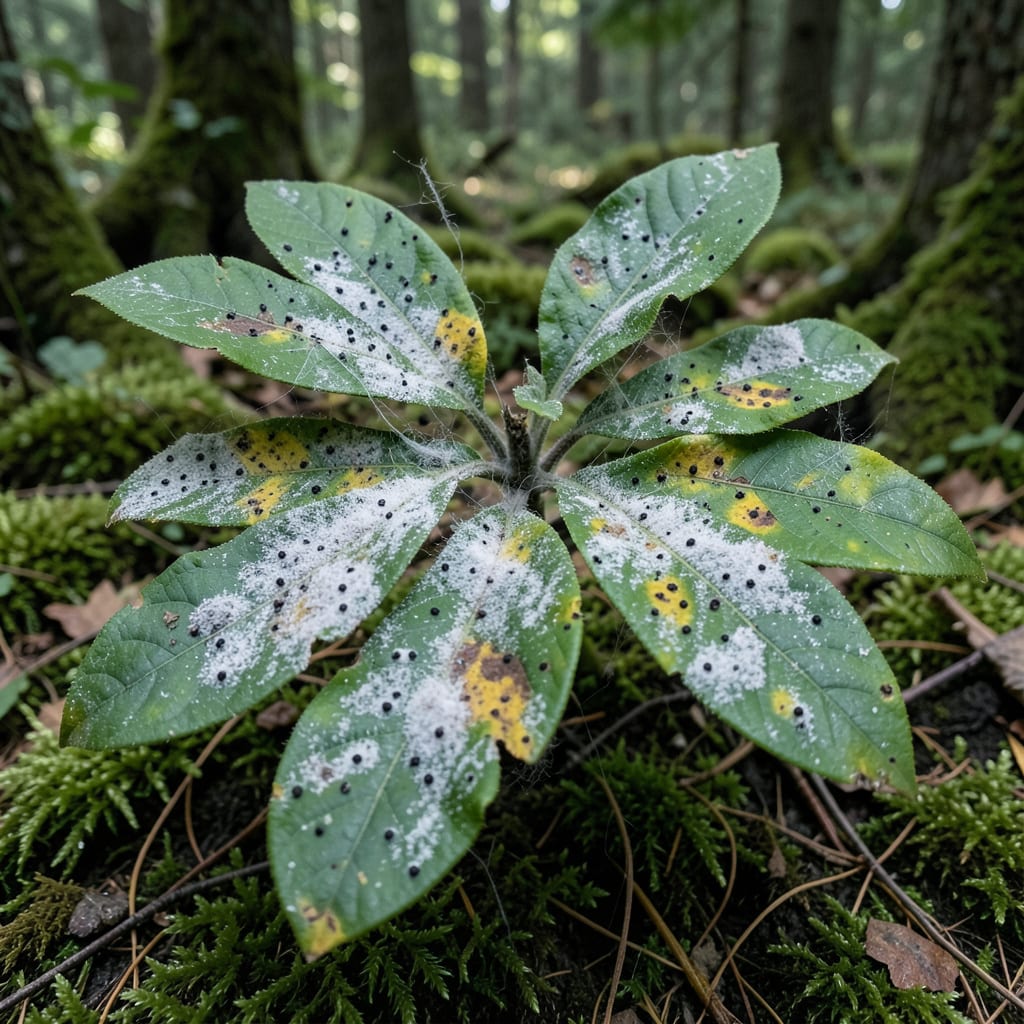
Spotted leaves and wilting stems always feel like a gut punch. I’ve lost count of how many plants I’ve saved by catching fungal infections early—before they spread to the whole garden.
Most cases start with too much moisture or poor air flow, creating the perfect breeding ground. The good news? Organic methods work just as well as chemicals, often better for long-term plant health.
With the right approach, you’ll see recovery within 1-2 weeks. Plants bounce back stronger, and you’ll spot future issues faster. Prevention becomes second nature after the first save.
Works for houseplants, vegetable gardens, and ornamentals alike. Here’s how to turn the tide.
Fungal infections in plants don’t appear out of nowhere—they thrive when conditions align in the pathogen’s favor. Understanding the root causes helps you disrupt their growth cycle before they take hold. Below are the most common triggers, along with the science behind them.
Fungi love damp environments. Overwatering, high humidity, or compacted soil that traps moisture creates the perfect breeding ground. Prolonged leaf wetness (from rain, dew, or irrigation) allows spores to germinate and penetrate plant tissues. Action: Improve airflow, space plants properly, and water at the base to keep foliage dry.
Most fungal pathogens thrive in warm (70–85°F), humid conditions. Greenhouses or crowded garden beds can trap heat and moisture, accelerating spore spread. Cool, wet springs or monsoon seasons also spike infection rates. Action: Use shade cloth in peak heat, ventilate greenhouses, and monitor humidity with a hygrometer (aim for 40–60%).
Plants under stress—whether from nutrient deficiencies, root damage, or pest attacks—produce fewer defensive compounds, making them vulnerable. Over-fertilization (especially with nitrogen) can also soften cell walls, inviting fungi in. Action: Strengthen plants with balanced organic fertilizers and avoid mechanical injuries during pruning.
Fungal spores linger in soil, mulch, or unsterilized gardening tools, ready to infect new hosts. Crop rotation failures or reusing potting mix can reintroduce pathogens. Action: Solarize soil, disinfect tools with rubbing alcohol, and rotate crops yearly to break fungal life cycles.
Insects like aphids or beetles create wounds that fungi exploit to invade. Even tiny cracks from hail or improper pruning can serve as gateways. Action: Control pests organically (e.g., neem oil) and sanitize pruning shears between cuts to prevent spore transfer.
Fungal infections on plants can be stubborn, but with the right approach, you can restore your garden’s health. Below are targeted solutions for common causes, along with prevention tips to keep your plants thriving.
Too much moisture is a fungal playground. Fix it by:
Prevention tip: 💡 Use a moisture meter to avoid overwatering.
Crowded plants trap humidity, encouraging fungal growth. Fix it by:
Prevention tip: 🌬️ Plant in rows with at least 12–18 inches between them.
Fungi lingering in the soil can reinfect plants. Fix it by:
Prevention tip: ✨ Solarize soil before planting by covering it with clear plastic for 4–6 weeks.
Stressed plants are more susceptible. Fix it by:
Prevention tip: 🎯 Choose disease-resistant plant varieties when possible.
White spots often signal powdery mildew, a common fungal issue. It thrives in warm, dry foliage with high humidity. Improve airflow and avoid wetting leaves during watering.
Yes! A mix of 1 teaspoon baking soda and 1 quart water with a drop of soap works well. Spray weekly for prevention. Always test on a small area first.
With proper treatment, visible improvement appears in 7-14 days. Full recovery depends on the infection severity and plant health. Keep treating until all symptoms disappear.
Isolate affected plants immediately to prevent spores from spreading. Remove and destroy severely infected leaves or plants to protect others.
