
Beautiful Plants For Your Interior
Beautiful Plants For Your Interior
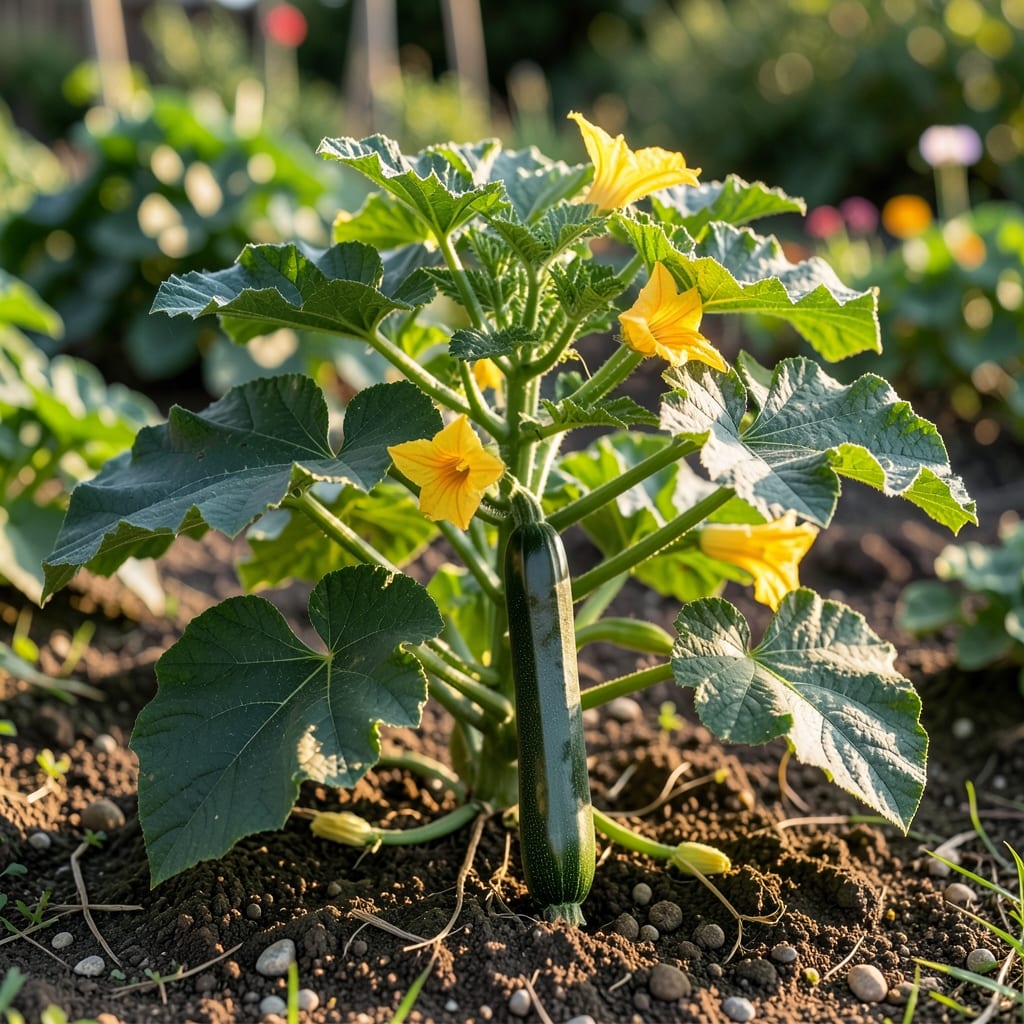
Zucchini leaves curling up like tacos are your plant’s distress signal. I’ve seen this happen overnight—healthy plants one day, twisted foliage the next, and it always means one of three things is attacking your crop.
Environmental stress hits first: too much water, not enough, or sudden temperature swings. Then come the pests like aphids that spread viruses while they feed. The leaves curl to protect themselves, but left unchecked, it stunts growth and kills yields.
Early action saves the season. Remove damaged leaves immediately, then treat the underlying cause. Organic fixes work fast when you catch it early, and your plants will bounce back within 7-10 days.
Prevention beats treatment every time. Healthy soil, consistent watering, and vigilant scouting stop leaf curl before it starts.
Zucchini leaf curl rarely appears without a reason. Understanding the why behind it is the first step to stopping it. Below are the most common culprits, explained in clear, actionable terms.
The primary trigger is often cucumber mosaic virus (CMV) or zucchini yellow mosaic virus (ZYMV). These viruses are spread by aphids—tiny, sap-sucking insects that inject the pathogen into the plant’s vascular system. Once inside, the virus disrupts cell function, leading to distorted, curled leaves as the plant struggles to grow normally. Action: Remove infected plants immediately to prevent spread and use reflective mulches to deter aphids.
Aphids aren’t just virus carriers—they cause direct damage. Their feeding weakens new growth, forcing leaves to curl upward as a stress response. Whiteflies and spider mites can also contribute by draining plant sap, leading to stunted, misshapen foliage. Action: Blast pests off with water or apply neem oil at dawn/dusk to avoid harming pollinators.
Extreme heat, drought, or inconsistent watering can trigger physiological leaf curl. Zucchini plants curl their leaves to reduce surface area and conserve moisture under stress. Unlike virus-induced curl, this type is often temporary and appears on older leaves first. Action: Mulch soil to retain moisture and provide afternoon shade in scorching climates.
Excess nitrogen or deficiencies in potassium and magnesium can distort leaf development. Too much nitrogen pushes rapid, weak growth that curls at the edges, while low potassium leads to cupped, yellowing leaves. Action: Test soil and amend with compost or a balanced organic fertilizer (e.g., 5-5-5).
Tackling leaf curl in your zucchini plants starts with identifying the root cause. Here’s how to address each issue and restore your garden’s health.
If viruses like cucumber mosaic virus are to blame, remove and destroy infected plants immediately to prevent spread. Disinfect tools with a 10% bleach solution. Prevention tip: 💡 Use virus-resistant zucchini varieties and control aphids, which often transmit these diseases.
Aphids, whiteflies, and mites cause curling by sucking plant sap. Blast them off with water or apply neem oil or insecticidal soap. Prevention tip: 🎯 Introduce beneficial insects like ladybugs or use reflective mulch to deter pests.
Too much heat, wind, or inconsistent watering can stress plants. Provide shade cloth during peak sun, water deeply at the base (avoid wetting leaves), and mulch to retain moisture. Prevention tip: ✨ Water early in the morning and maintain consistent soil moisture.
Yellowing or curling leaves may signal a lack of nitrogen, magnesium, or calcium. Test soil and amend with compost or a balanced organic fertilizer. Prevention tip: 🌱 Rotate crops annually and enrich soil with compost before planting.
Act fast at the first sign of trouble, and your zucchini plants will bounce back stronger!
If caused by environmental stress, yes! Leaves may uncurl within 3-5 days after fixing water or heat issues. Viral or pest damage, however, won’t reverse—remove affected leaves to protect the plant.
Inspect leaf undersides for tiny bugs or sticky residue (pests). Viruses often show mottled patterns or distorted growth. Use a magnifying glass for accuracy.
Yes, but apply at dawn/dusk to avoid harming bees. Mix 1 tablespoon per gallon of water and spray thoroughly, especially on leaf undersides.