
Beautiful Plants For Your Interior
Beautiful Plants For Your Interior
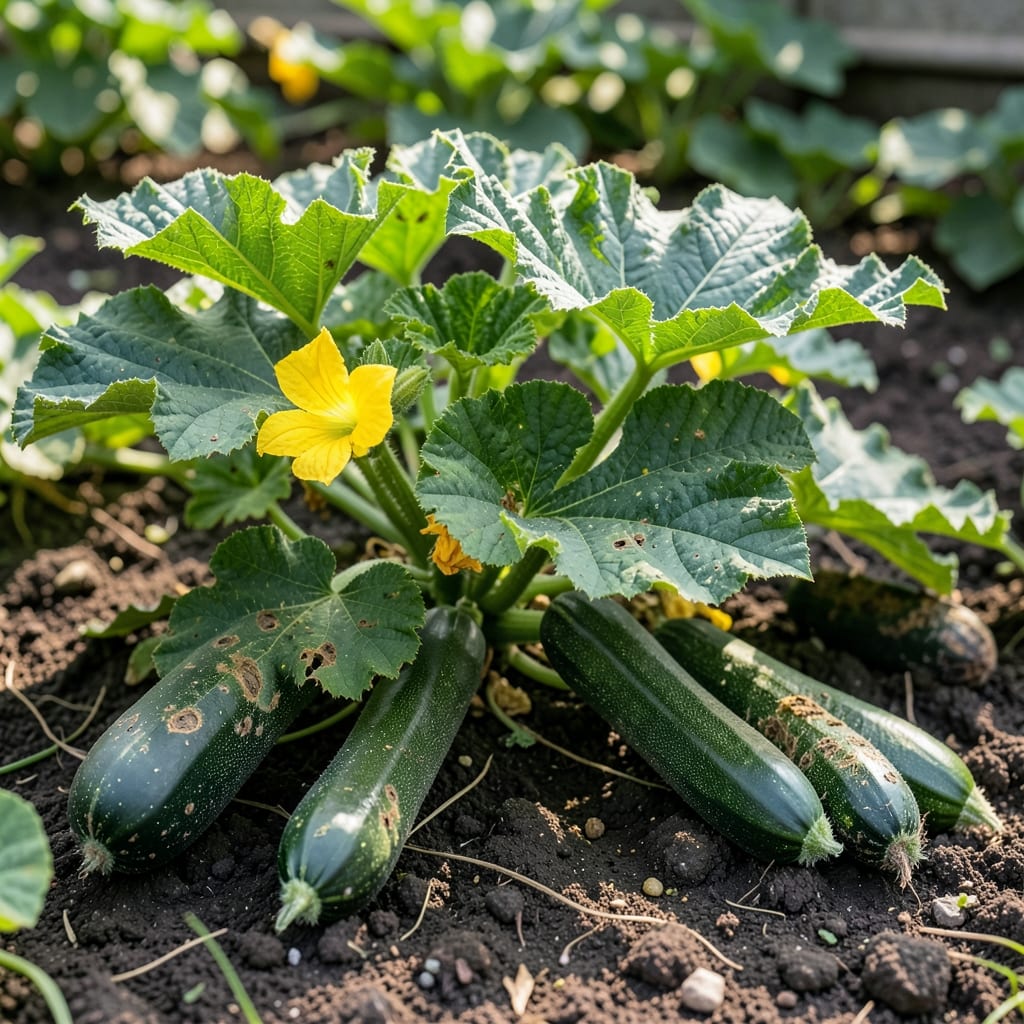
Spotted yellow leaves on your zucchini this morning? I’ve been there—watching healthy plants turn sickly overnight. That first sign of trouble always hits hard, but identifying the problem early changes everything.
Powdery white dust, dark spots, or wilting vines each tell a different story. The good news is most zucchini diseases have clear visual clues and straightforward fixes. I’ve saved countless plants by catching these early warning signs.
With this guide, you’ll match symptoms to solutions in minutes. No guesswork, no wasted time with the wrong treatment. Just clear photos and actionable steps to get your plants back on track.
Works for backyard gardens, raised beds, or container zucchinis. Let’s diagnose and fix this together.
Zucchini plants are vulnerable to diseases due to a mix of environmental, biological, and cultural factors. Understanding these root causes helps prevent outbreaks and keeps your garden thriving. Below are the primary triggers behind common zucchini ailments.
Fungi like Powdery Mildew and Downy Mildew thrive in humid, poorly ventilated conditions. Spores spread via wind, water, or contaminated tools, infecting leaves when moisture lingers. Overcrowded plants or overhead watering exacerbate this.
Insects such as aphids and cucumber beetles transmit viral diseases like Cucumber Mosaic Virus (CMV). These pests pierce plant tissues, introducing pathogens directly into the vascular system. Weak or stressed plants are more susceptible to infestations.
Extreme temperatures, drought, or waterlogged soil weaken zucchini plants, making them prone to infections. For example, Bacterial Wilt flourishes in heat-stressed plants, while cold, wet soil encourages Phytophthora Blight.
Fusarium and Verticillium wilt fungi persist in soil for years, attacking roots and blocking water uptake. Crop rotation and resistant varieties are key to breaking their lifecycle.
Over-fertilization (especially with nitrogen) promotes lush but weak growth, inviting disease. Similarly, failing to remove infected plant debris allows pathogens to overwinter and reinfect next season’s crop.
Tackling zucchini diseases early can save your harvest. Below are practical fixes for common issues, paired with prevention tips to keep your plants thriving.
Remove infected leaves immediately and space plants farther apart to boost air circulation. Apply neem oil or a baking soda solution (1 tsp baking soda + 1 quart water + a few drops of soap) weekly. Prevention: Water at the base to keep foliage dry, and choose resistant varieties like ‘Defender.’
Cover young plants with floating row covers until they flower to block beetles. Handpick adults or apply kaolin clay as a barrier. Prevention: Rotate crops yearly and remove plant debris to disrupt their lifecycle.
Keep soil consistently moist but not soggy. Add calcium-rich amendments like crushed eggshells or lime. Prevention: Mulch to retain moisture and test soil pH (aim for 6.0–6.8).
Spray copper-based fungicides at the first sign of yellow spots. Remove and destroy infected leaves. Prevention: Avoid overhead watering and plant in well-draining soil.
💡 Pro Tip: Inspect plants daily—early action stops diseases from spreading!
Look for white, powdery spots on the upper surfaces of leaves. These patches spread quickly and can cover entire leaves, stunting growth. Early treatment with neem oil can stop its progression.
Yellow spots often indicate downy mildew or cucumber mosaic virus. Downy mildew appears on the underside of leaves, while mosaic virus causes a patchy, distorted pattern. Check for accompanying wilting or stunted growth.
Unfortunately, bacterial wilt is often fatal once symptoms appear. Remove infected plants immediately to prevent spread. Prevent future outbreaks by controlling cucumber beetles and rotating crops.