
Beautiful Plants For Your Interior
Beautiful Plants For Your Interior
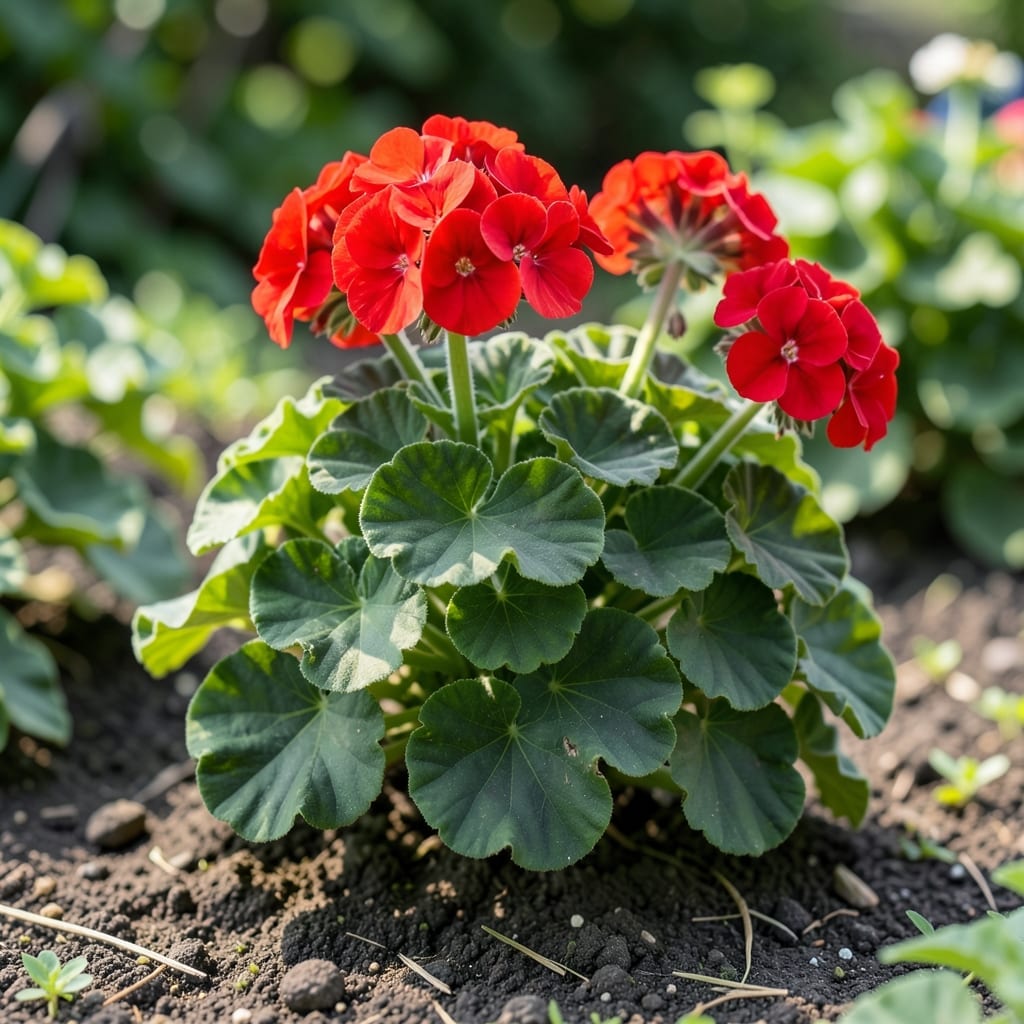
Yellow leaves on your zonal geraniums aren’t a death sentence—just a sign they’re trying to tell you something. I’ve nursed dozens back to health by listening to what those leaves reveal.
Most often it’s water—either too much drowning the roots or too little leaving them parched. But I’ve also seen yellowing from poor soil, not enough light, or even a sneaky spider mite infestation.
The fix is simpler than you think. Adjust your watering schedule, check the drainage, or move the pot to brighter light. Within 2-3 weeks, you’ll see fresh green growth returning.
Works for potted plants on patios or geraniums in garden beds. Let’s decode those yellow signals together.
Understanding why zonal geranium leaves turn yellow starts with identifying the root causes. Below are the most common culprits, backed by science and actionable insights.
Excess moisture suffocates the roots, leading to root rot. Geraniums thrive in well-draining soil, and waterlogged conditions prevent oxygen uptake. This stress triggers chlorophyll breakdown, causing leaves to yellow. Fix: Use pots with drainage holes and a gritty, fast-draining soil mix.
Zonal geraniums need 6–8 hours of sunlight daily. Too little light weakens photosynthesis, while too much (especially harsh afternoon sun) can scorch leaves. Both extremes result in yellowing. Fix: Place plants in bright, indirect light or provide shade during peak hours.
A lack of nitrogen, magnesium, or iron disrupts chlorophyll production. Nitrogen deficiency causes uniform yellowing, while magnesium or iron shortages lead to interveinal chlorosis (yellowing between leaf veins). Fix: Use a balanced organic fertilizer or amend soil with compost.
Spider mites, aphids, and whiteflies sap nutrients from leaves, causing yellow spots or widespread discoloration. These pests also spread diseases that further stress the plant. Fix: Spray with neem oil or insecticidal soap to eliminate pests organically.
Geraniums prefer 65–75°F (18–24°C). Exposure to cold drafts or extreme heat disrupts metabolic processes, leading to yellowing. Fix: Move plants indoors during cold snaps or provide shade in extreme heat.
When zonal geranium leaves start turning yellow, quick action can revive your plant. Below are targeted fixes for common causes, along with prevention tips to keep your geraniums thriving.
If soggy soil is the culprit, let the top 1-2 inches of soil dry out before watering again. Ensure pots have drainage holes to prevent root rot. Prevention tip: Water deeply but less frequently, and always empty saucers after watering.
Dry, crispy leaves signal thirst. Give the plant a thorough soak until water runs from the drainage holes. Prevention tip: Check soil moisture weekly—stick your finger in the soil to gauge dryness.
Yellow lower leaves often mean nitrogen deficiency. Use a balanced, water-soluble fertilizer (10-10-10) every 2-4 weeks during the growing season. Prevention tip: Avoid over-fertilizing, which can burn roots—dilute to half-strength if unsure.
Inspect leaves for spider mites or aphids. Blast them off with water or apply insecticidal soap. Prevention tip: Keep foliage dry and isolate new plants to prevent infestations.
Move potted geraniums indoors if nights dip below 50°F (10°C). Shield them from drafts or extreme heat. Prevention tip: Acclimate plants gradually when transitioning between indoor and outdoor environments.
Pro tip 💡: Regularly prune yellow leaves to redirect energy to healthy growth and improve airflow.
Water when the top 1-2 inches of soil feel dry. Typically, this means every 5-7 days in warm weather, but always check the soil first. Overwatering is a more common issue than underwatering.
Provide 6-8 hours of bright, indirect sunlight daily. If leaves turn pale or scorch, provide afternoon shade. East or west-facing windows are ideal for indoor plants.
This often indicates inconsistent watering or low humidity. Ensure even moisture and mist leaves occasionally. Brown edges can also signal salt buildup from tap water.