
Beautiful Plants For Your Interior
Beautiful Plants For Your Interior
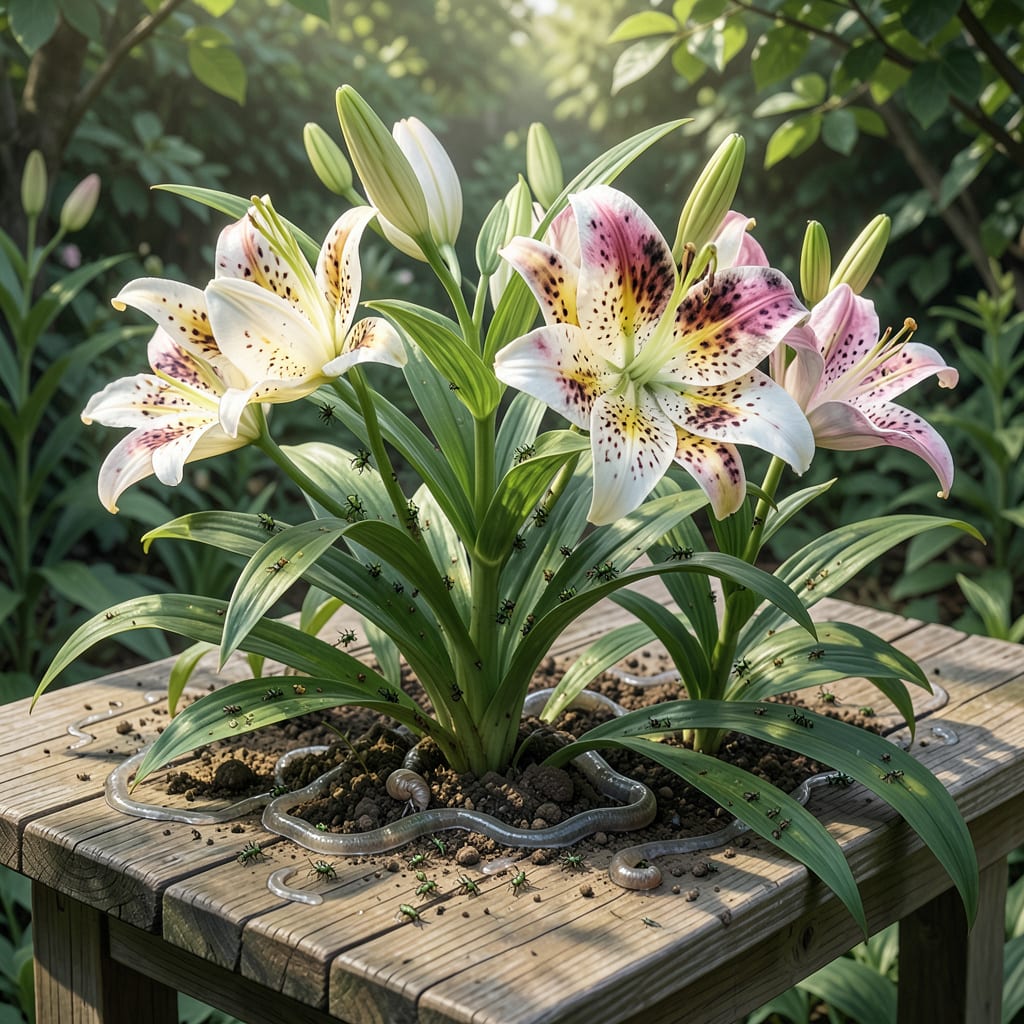
Spotted leaves and stunted stems ruin lily season fast. I’ve saved countless plants by catching problems early—before they spread to the whole garden bed.
The usual suspects are aphids, lily beetles, and fungal diseases like botrytis. Each leaves a distinct mark: chewed edges, sticky residue, or brown spots. Early action means smaller outbreaks and healthier blooms.
Organic fixes work surprisingly well. Neem oil, hand-picking pests, and proper spacing prevent most issues. My lilies now thrive with minimal intervention and maximum impact.
Prevention beats cure every time. Clean tools, good airflow, and resistant varieties keep your garden looking its best all season long.
Understanding the root causes of lily pests and diseases helps you prevent them before they strike. Here’s why these issues arise:
Lilies thrive in well-draining soil and moderate moisture. Overwatering or drought stress weakens their defenses, making them vulnerable to fungal infections like Botrytis elliptica (lily blight) or root rot. Poor air circulation in humid climates also encourages powdery mildew and rust.
Healthy lilies can still attract pests like lily leaf beetles (Lilioceris lilii) or aphids when conditions are right. Beetles lay eggs on foliage, and larvae defoliate plants rapidly. Aphids, meanwhile, excrete honeydew, promoting sooty mold growth. Weak or over-fertilized plants are especially susceptible.
Fungal and viral diseases often spread through contaminated tools, soil, or infected plant debris. Fusarium wilt and virus mosaics enter via wounds or poor sanitation. Sharing unsterilized pruners or reusing potting mix from sick plants is a common culprit.
Overcrowding lilies limits airflow, while excessive nitrogen fertilization boosts succulent growth that pests adore. Improper spacing and ignoring crop rotation (especially in bulb beds) allow pathogens to persist in the soil year after year.
Tackling lily pests and diseases early keeps your garden blooming. Here’s how to solve common issues with practical, organic fixes.
Blast aphids off with water or apply insecticidal soap (1 tbsp mild soap + 1L water). Spray leaves thoroughly, focusing on undersides. Prevention tip: 💡 Encourage ladybugs—they devour aphids naturally!
For botrytis blight or powdery mildew, remove infected leaves immediately. Apply neem oil or a baking soda mix (1 tsp baking soda + 1L water + dash of soap). Prevention tip: ✨ Space plants for airflow and water at the base to keep foliage dry.
Set up copper tape around pots or sprinkle diatomaceous earth near plants. Beer traps (saukers filled with beer) also lure and drown them. Prevention tip: 🎯 Clear debris where they hide, and handpick them at dusk.
Spray plants with water to dislodge mites, then apply horticultural oil. Repeat every 3–5 days until gone. Prevention tip: 🌡️ Keep plants hydrated—mites thrive in dry conditions.
No cure exists for viral infections like lily mosaic virus. Dig up and destroy affected plants (don’t compost!). Prevention tip: 🔥 Sterilize tools between uses to avoid spreading pathogens.
Act fast, stay consistent, and your lilies will thank you with vibrant blooms! 🌸
Look for yellowing leaves, brown spots, or chewed edges. Sticky residue often means aphids, while white powder signals mildew. Catching these early prevents major outbreaks.
Space plants 2-3 feet apart for airflow. Water at the base in the morning so foliage stays dry. Remove spent blooms and debris promptly.
Most issues respond well to organic solutions like neem oil or insecticidal soap. Save chemical pesticides for severe infestations that resist gentler methods.
Pathogens often linger in soil or on tools. Rotate planting locations and sterilize pruners with rubbing alcohol between cuts to break the cycle.
